
ChatGPT for Social Media: How AI Is Reshaping Online Interaction in 2026

Remember when posting on social media meant typing out a thought, snapping a photo, and hitting publish? Those days are gone. In 2026, the landscape has shifted dramatically. You’re no longer just talking to your audience; you’re collaborating with an invisible assistant that writes captions, analyzes sentiment, and even drafts video scripts before you’ve had your morning coffee. ChatGPT is an advanced large language model developed by OpenAI that generates human-like text based on prompts. It has become the engine behind this shift, transforming how brands and individuals interact online.
This isn’t just about saving time. It’s about changing the nature of connection. When AI handles the heavy lifting of content production, humans are freed up to focus on strategy, empathy, and community building. But with great power comes great responsibility. Using ChatGPT for social media requires a new set of skills. You need to know how to prompt effectively, how to spot AI hallucinations, and how to keep your brand voice authentic when half your output is machine-generated.
Key Takeaways
- ChatGPT accelerates content creation but requires human oversight to maintain brand authenticity and factual accuracy.
- The most effective social media strategies in 2026 combine AI-generated drafts with human emotional intelligence and strategic planning.
- Platform algorithms increasingly favor unique, high-engagement content over generic AI spam, making personalization crucial.
- Ethical transparency-disclosing AI use where appropriate-is becoming a standard expectation among savvy audiences.
- Mastering prompt engineering is now a core skill for any serious social media manager or creator.
From Drafting to Strategy: Practical Uses of ChatGPT
Let’s get practical. How are people actually using ChatGPT in their daily social media workflows? It’s rarely about asking it to “write a post” and walking away. That approach leads to bland, forgettable content. Instead, successful users treat the AI as a junior copywriter who needs clear direction.
Consider caption writing. A common mistake is giving vague instructions like “Write a funny Instagram caption for a coffee shop.” The result is usually generic puns that feel stale. A better approach involves context. You might say: “Write three Instagram captions for a local Canberra coffee shop launching a new oat milk latte. The tone should be warm, inviting, and slightly witty. Include a call-to-action asking followers to tag a friend who needs a caffeine boost. Use emojis sparingly.” This level of detail yields usable results that still need a human touch-up.
Beyond captions, ChatGPT excels at brainstorming. Stuck on content ideas for next month? Ask the AI to generate twenty topic clusters based on your recent blog posts or product launches. It can also help repurpose content. Take a long-form LinkedIn article and ask ChatGPT to break it down into five Twitter threads, three Instagram carousel points, and one TikTok script outline. This multi-format repurposing saves hours of work while keeping your messaging consistent across platforms.
However, there’s a catch. AI doesn’t understand nuance unless you force it to. If your brand has a specific voice-say, rebellious and minimalist-you need to provide examples of past posts so the AI can mimic that style. Without these guardrails, ChatGPT defaults to a neutral, corporate tone that blends into the background noise of social feeds.
The Authenticity Crisis: Keeping It Human
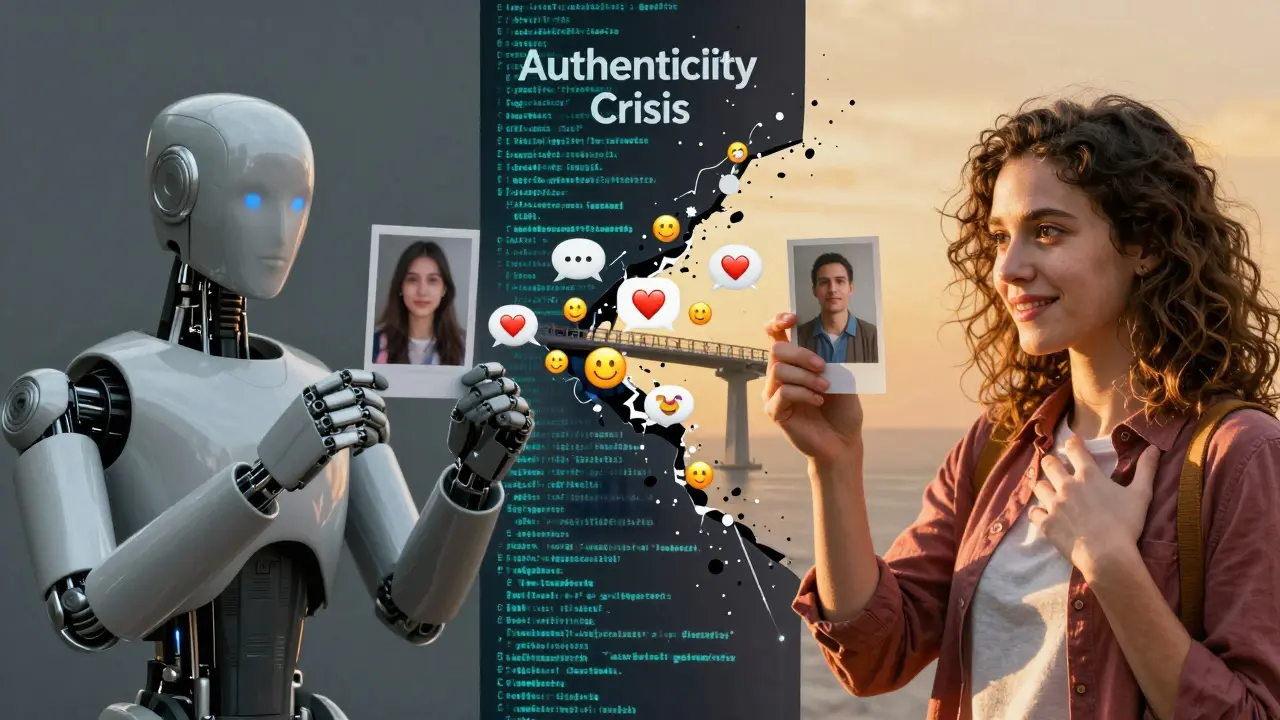
Here’s the elephant in the room: everyone knows when content feels robotic. Audiences have developed a keen sense for AI-generated fluff. They can smell the lack of genuine experience from miles away. This creates a tension. You want the efficiency of AI, but you crave the trust that comes from human connection.
The solution isn’t to abandon AI, but to integrate it differently. Think of ChatGPT as a tool for structure, not soul. Let it handle the grammar, the formatting, and the initial idea generation. Then, inject your own stories, opinions, and vulnerabilities. Did you struggle with a product launch? Share that. Did you see something interesting in your neighborhood today? Post about it. These personal touches are what algorithms reward because they drive engagement, and they’re what builds loyalty with your followers.
In 2026, transparency is also key. Some creators openly state, “Drafted with AI, edited by me.” Others don’t mention it at all. The trend is shifting toward disclosure, especially in industries like finance, health, and news, where accuracy matters. For lifestyle or entertainment brands, the line is blurrier, but honesty always pays off in the long run. If your audience discovers you’ve been fully automating your interactions without disclosure, trust erodes quickly.
Moreover, relying too heavily on AI can lead to homogenization. If everyone uses the same models with similar prompts, social media starts to look and sound the same. To stand out, you must curate your inputs carefully. Feed the AI diverse sources, unique brand guidelines, and real-time feedback from your audience. Make the AI learn *your* world, not just the internet’s average.
Algorithmic Shifts: What Platforms Want in 2026
Social media platforms aren’t passive observers. They’re actively adapting to the influx of AI-generated content. Instagram, Meta’s photo-sharing platform, and TikTok have updated their algorithms to prioritize originality and user interaction over sheer volume.
Meta, which owns both Facebook and Instagram, has introduced features that detect low-effort AI spam. Posts that are purely generated without significant human editing often receive lower reach. The algorithm favors content that sparks meaningful conversations-comments, shares, and saves. This means your ChatGPT-assisted posts must be designed to invite response. Ask questions. Share polarizing (but respectful) opinions. Create polls. Engagement signals matter more than ever.
TikTok, known for its rapid-fire trends, is particularly sensitive to authenticity. Users there value raw, unpolished moments. Over-produced, AI-scripted videos often flop unless they align perfectly with current audio trends or visual aesthetics. Creators who succeed use AI to brainstorm hooks or optimize hashtags, but they film themselves reacting genuinely to those ideas. The human face remains central.
LinkedIn has taken a different path. As a professional network, it welcomes structured, informative content. Here, ChatGPT shines in drafting industry insights, summarizing reports, or creating thought-leadership articles. However, even on LinkedIn, personal anecdotes perform best. An AI-written analysis of market trends is useful, but an AI-written story about a failed project followed by lessons learned is unforgettable.
| Platform | Best AI Use Case | Risk Factor | Human Touch Required |
|---|---|---|---|
| Caption drafting, hashtag research, Reel script outlines | High risk of appearing generic if not personalized | Add personal photos, voiceovers, and direct replies to comments | |
| TikTok | Trend analysis, hook generation, SEO keyword suggestions | Very high risk if video feels scripted or unnatural | Filming authentic reactions, using natural speech patterns |
| Article structuring, data summarization, professional tone polishing | Moderate risk of sounding too corporate or dry | Inject personal career stories, opinions, and industry experiences | |
| X (Twitter) | Thread outlining, quick news summaries, engaging retweet copies | Low risk due to character limits and fast pace | Ensure timely relevance and add unique commentary |
Prompt Engineering: The New Core Skill
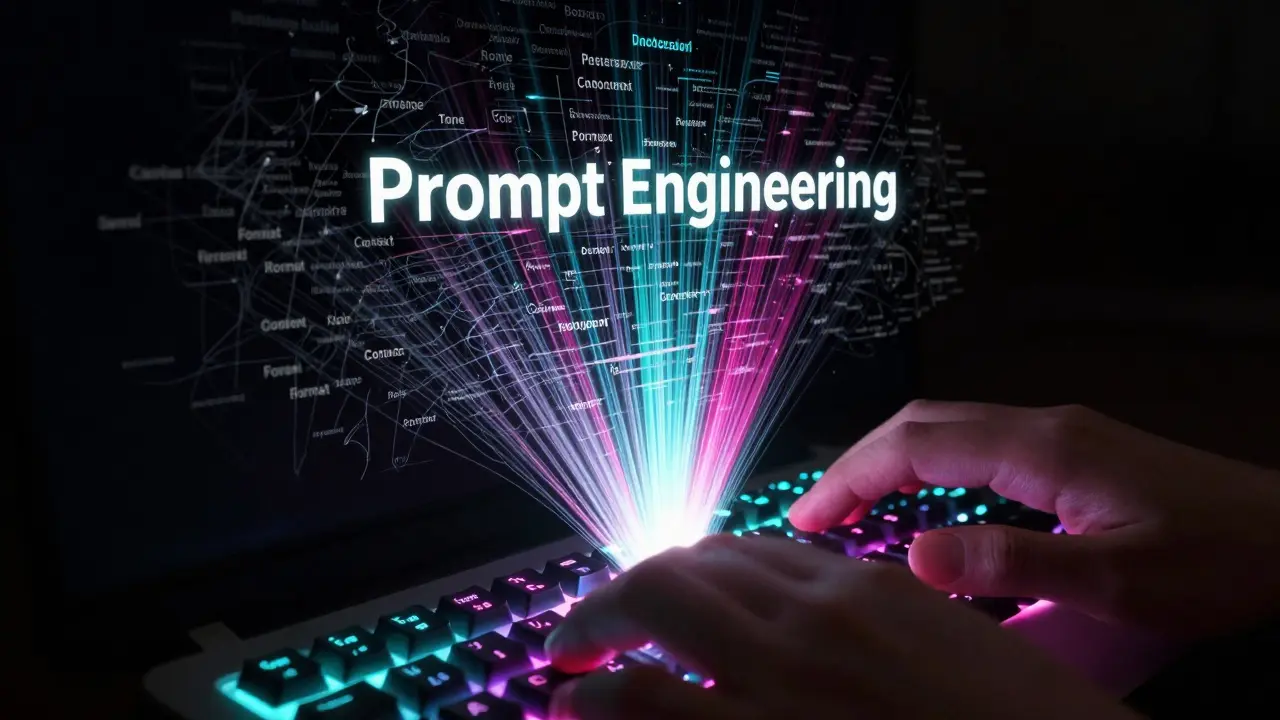
If you’re going to use ChatGPT for social media, you need to master prompt engineering. This isn’t just typing questions; it’s crafting precise instructions that guide the AI toward your desired outcome. Think of it as directing a play. You provide the script, the setting, and the emotional tone, and the AI performs.
A good prompt includes several components: 1. **Role**: Tell the AI who it is. “Act as a senior social media manager for a sustainable fashion brand.” 2. **Context**: Provide background. “We are launching a new collection made from recycled ocean plastic.” 3. **Task**: Define the action. “Write five Instagram captions highlighting the environmental impact.” 4. **Format**: Specify the structure. “Use bullet points, include two relevant hashtags, and keep each caption under 150 characters.” 5. **Tone**: Set the mood. “The tone should be urgent yet hopeful, avoiding guilt-tripping language.”
Without these elements, you’ll get mediocre results. With them, you can produce content that feels tailored and strategic. Experimentation is key. Keep a library of successful prompts. Refine them over time as you learn what resonates with your audience. Notice which tones get more likes, which calls-to-action drive clicks, and adjust your prompts accordingly.
Also, don’t be afraid to iterate. If the first draft isn’t right, tell the AI why. “That was too formal. Make it more conversational.” “Add more emotion to the second paragraph.” This back-and-forth dialogue is where the magic happens. It turns a static tool into a dynamic collaborator.
Ethical Considerations and Future Trends
As AI becomes more sophisticated, ethical questions grow louder. Who owns the content created by AI? Is it plagiarism if the AI mimics a famous writer’s style? These issues are still being debated legally and socially. In 2026, many platforms require users to label AI-generated content, especially if it resembles real people or events. Ignoring these rules can lead to shadowbans or account suspensions.
There’s also the issue of bias. AI models are trained on vast amounts of internet data, which includes prejudices and stereotypes. If you don’t review the output carefully, you might inadvertently post offensive or inaccurate information. Always fact-check statistics, names, and historical references. Never let AI speak for marginalized groups without consulting actual members of those communities.
Looking ahead, the future of online interaction will likely involve deeper integration between AI and augmented reality (AR). Imagine trying on clothes via AR filters while ChatGPT suggests outfit combinations based on your style preferences and current trends. Or receiving personalized shopping recommendations through conversational bots that remember your past purchases and preferences. The boundary between browsing and buying will continue to blur.
Yet, amidst all this technology, the fundamental desire for human connection remains unchanged. People still want to feel seen, heard, and understood. AI can facilitate that connection, but it cannot replace it. The most successful social media strategies in the coming years will be those that leverage AI for efficiency while prioritizing humanity for impact.
Next Steps for Your Social Media Strategy
So, what should you do tomorrow? Start small. Pick one task-maybe caption writing or hashtag research-and try using ChatGPT for it. Compare the results with your usual process. Note what works and what doesn’t. Gradually expand your usage as you gain confidence.
Invest time in learning prompt engineering. There are free resources online, including tutorials from OpenAI and community forums where creators share their best practices. Join these communities. Learn from others’ mistakes and successes.
Finally, stay curious. The field is evolving rapidly. New features, new platforms, and new regulations will emerge. Keep an eye on industry news. Adapt your strategy as needed. Remember, the goal isn’t to automate everything. It’s to enhance your ability to connect with your audience in meaningful ways.
Is it legal to use ChatGPT for social media content?
Yes, it is generally legal to use ChatGPT for generating social media content. However, you must ensure that the output does not infringe on copyrighted material, defame individuals, or violate platform-specific policies regarding AI-generated content. Always review and edit AI outputs to maintain accuracy and compliance.
Will using AI hurt my engagement rates?
Not necessarily. In fact, used correctly, AI can improve engagement by helping you create more consistent and relevant content. The key is to avoid generic, low-effort posts. Add personal insights, respond to comments manually, and tailor AI drafts to your unique brand voice to maximize engagement.
How do I prevent my AI content from sounding robotic?
To prevent robotic-sounding content, provide detailed prompts with specific tone and style guidelines. Include examples of your previous successful posts. After generating the draft, edit it thoroughly to add personal anecdotes, humor, or emotional depth. Read it aloud to check for natural flow.
Should I disclose when I use AI for social media posts?
Disclosure depends on the platform and your industry. On platforms like LinkedIn or in regulated fields like finance, transparency is highly recommended. For casual lifestyle brands, it may be less critical, but honesty builds trust. Check each platform’s current guidelines on AI labeling requirements.
Can ChatGPT replace a social media manager?
No, ChatGPT cannot fully replace a social media manager. While it can assist with content creation and analytics interpretation, it lacks strategic thinking, crisis management skills, and the ability to build genuine relationships with audiences. It is a tool to augment human expertise, not replace it.