ChatGPT: The New Frontier in Social Media Engagement
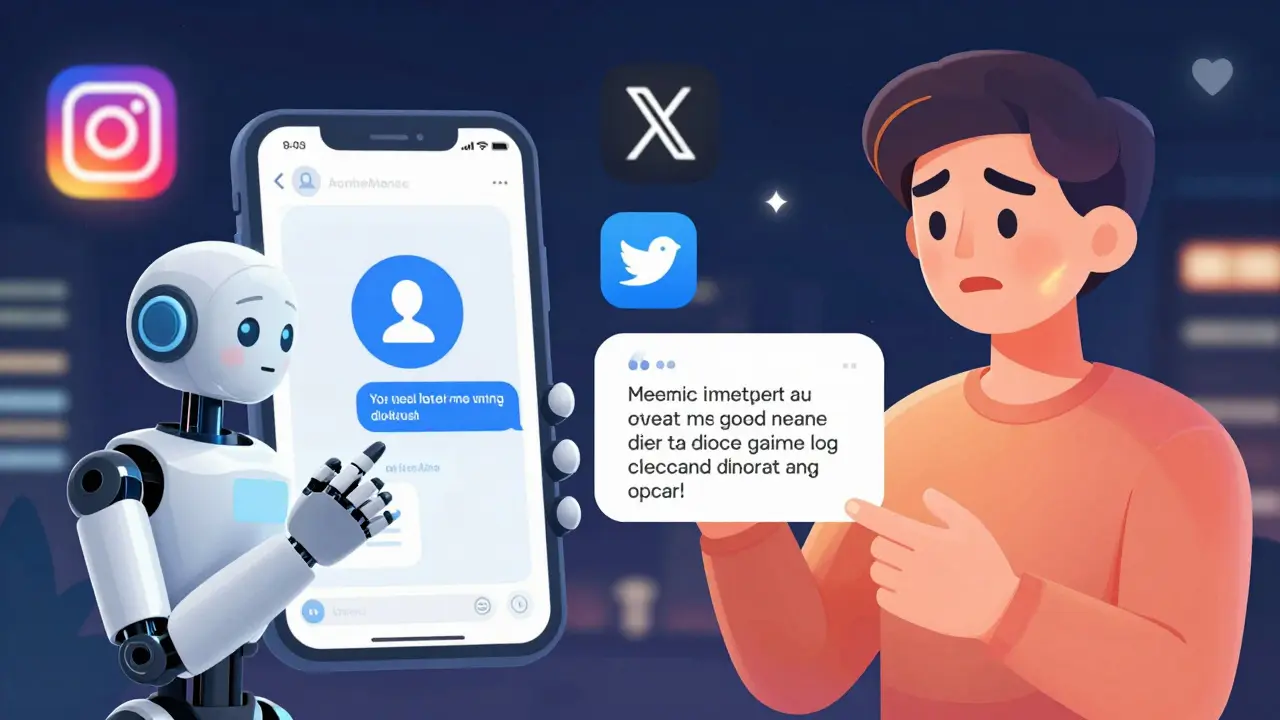
Most brands still treat social media like a megaphone: broadcast a post, wait for likes, and hope for shares. But what if your audience could talk back-naturally, instantly, and in a way that feels human? That’s not science fiction. It’s happening right now, and ChatGPT is the engine behind it.
Why Social Media Engagement Is Broken
Let’s be honest: most brand responses on social media feel robotic. A customer asks, "When will my order ship?" and gets a canned reply from a bot that says, "Thanks for reaching out!" Then they wait 12 hours for a human to respond. By then, they’re already on TikTok, complaining about you.
Platforms like Instagram, X, and Threads are no longer just broadcast channels. They’re customer service desks, community centers, and sales floors-all at once. And the old tools just can’t keep up. Brands that still rely on scheduled posts and manual replies are losing trust, speed, and relevance.
Meanwhile, companies using AI-driven chat systems are seeing response times drop from 8 hours to under 2 minutes. Engagement rates are up 40% on average. Why? Because people don’t want automation-they want connection. And ChatGPT delivers that.
How ChatGPT Changes the Game
ChatGPT isn’t just another chatbot. It’s a language model trained on billions of human interactions. That means it understands sarcasm, cultural context, emotional tone, and even local slang. It doesn’t just answer questions-it adapts.
Take a small skincare brand in Melbourne. Before ChatGPT, their Instagram DMs piled up. They had three part-time staff handling replies. Missed messages. Angry customers. Slow replies.
After integrating ChatGPT into their messaging system, they trained it on their past customer conversations: product questions, complaints about shipping, requests for recommendations. Within a week, their average response time dropped to 47 seconds. Customer satisfaction scores jumped 32%. And here’s the kicker-they didn’t hire anyone.
ChatGPT doesn’t replace humans. It empowers them. Staff now handle only the complex cases: refunds, complaints, creative requests. The rest? Handled instantly, accurately, and with personality.

Real Examples: What This Looks Like in Practice
Here’s what’s working right now:
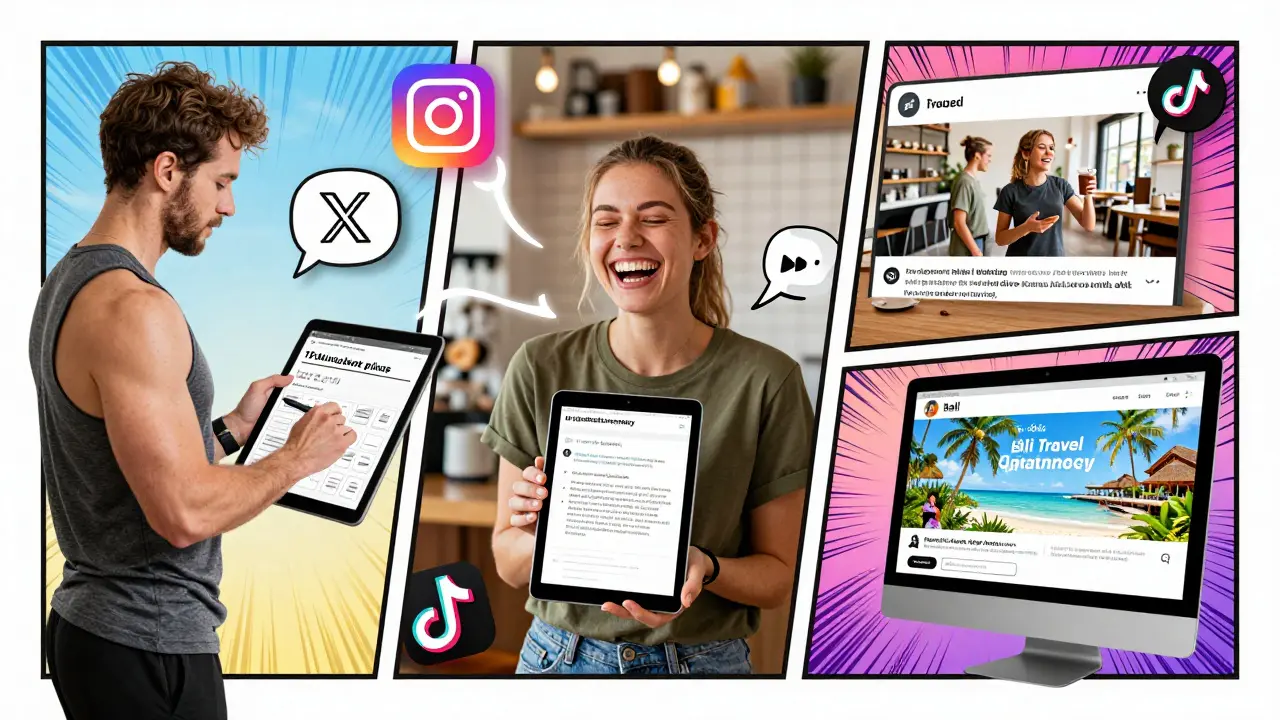
- A fitness coach on Instagram uses ChatGPT to generate personalized workout tips based on followers’ DMs. "I’m a mom with 3 kids, no time" → gets a 10-minute home routine. No templates. No copy-paste.
- A local coffee shop in Sydney trains ChatGPT to respond to reviews on Facebook. When someone says, "I wish you had oat milk," the AI replies, "We just added oat milk this week! Come in and try it-we’ll buy your first latte." The post went viral.
- A travel agency in Bali uses ChatGPT to auto-reply to Instagram Stories polls. "Which destination should we feature next?" → AI generates a custom 30-second video pitch based on the winning choice.
These aren’t gimmicks. They’re scalable, repeatable, and deeply personal. And they’re all built on top of ChatGPT’s ability to learn from context, not just keywords.
What You Can Do Right Now
You don’t need a tech team. You don’t need to code. Here’s how to start:
- Collect your top 50 customer messages. From DMs, comments, and reviews. These are your training ground.
- Feed them into ChatGPT. Say: "Here are 50 real messages from my customers. I want you to learn how to reply like me-in my voice, tone, and style. Here’s what I usually say: [paste example]."
- Test it. Use the AI to reply to 10 new messages. Compare the AI version to your own. Does it sound like you? If yes, move forward.
- Set boundaries. Never let AI handle refunds, complaints, or sensitive issues. Flag those for humans.
- Go live. Connect it to your Instagram, X, or Threads account. Use tools like ManyChat, Zapier, or Hootsuite to automate the flow.
It takes less than two hours to set up. The payoff? Hours saved. Happy customers. More sales.
The Hidden Risk: Losing Your Brand Voice
Here’s the trap: if you let ChatGPT run on default settings, you’ll end up with generic, corporate-sounding replies. "Thank you for your feedback! We’re glad you enjoyed our service!"
That’s not engagement. That’s noise.
The key is customization. Train ChatGPT on your brand’s actual tone. If you’re a punk rock guitar shop, your AI should swear a little. If you’re a luxury spa, it should sound calm and elegant. If you’re a Gen Z meme page, it should roast people lovingly.
Test your AI’s replies. Ask a friend: "Does this sound like us?" If not, tweak it. Keep feeding it real examples. The more data, the better it gets.
What’s Next? The Future of Social Media Is Conversational
By 2027, social media platforms will start rewarding brands that engage in real-time, personalized conversations. Instagram is already testing AI-driven comment moderation. X is rolling out AI replies for verified accounts. TikTok’s algorithm favors creators who reply to comments-fast and authentically.
ChatGPT isn’t the end of human interaction. It’s the beginning of hyper-personalized, scalable human interaction. The brands that win will be the ones that use AI not to replace people, but to free them-to let real humans focus on what matters: building relationships.
If you’re still posting and waiting, you’re falling behind. If you’re using ChatGPT to talk back-to really talk-you’re already ahead.
Can ChatGPT replace social media managers entirely?
No. ChatGPT handles routine questions, reply drafts, and content suggestions-but it can’t manage crises, build long-term relationships, or understand nuanced emotional cues the way a human can. Think of it as a powerful assistant, not a replacement. The best teams use AI to handle 70% of routine tasks, freeing up humans to focus on strategy, empathy, and creativity.
Is ChatGPT safe to use for customer data on social media?
It depends on how you set it up. Never feed real customer names, addresses, or payment details into public ChatGPT. Use enterprise versions like ChatGPT Enterprise or integrate via secure APIs through platforms like ManyChat or Zendesk. These tools encrypt data and comply with privacy laws like GDPR and Australian Privacy Principles. Always review your tool’s data policy before connecting it to customer channels.
What platforms work best with ChatGPT for social media?
Instagram DMs, X (Twitter), and Threads are the top three. They’re text-heavy, fast-moving, and ideal for quick, conversational replies. Facebook comments also work well, especially for local businesses. TikTok is trickier-responses are usually video-based, but you can use ChatGPT to draft video scripts or comment replies that you post manually. Avoid using it on LinkedIn unless your brand tone is very professional; the audience expects formality.
How much does it cost to use ChatGPT for social media?
You can start for free using ChatGPT’s web version to draft replies. For automation, you’ll need a tool like ManyChat (starts at $15/month) or Zapier (starts at $19/month). Enterprise solutions like ChatGPT Enterprise cost $20-$30 per user/month but include data privacy and custom training. Most small businesses spend under $50/month total. That’s less than one hour of a part-time employee’s wage-and it works 24/7.
Can ChatGPT help with content creation too?
Absolutely. Use it to brainstorm post ideas based on trending comments, draft captions in your brand voice, or turn customer testimonials into carousel posts. One bakery in Adelaide used ChatGPT to analyze 200 positive reviews and turned them into 15 Instagram Reels-each featuring a real customer quote. Engagement on those posts was 3x higher than their usual content. The AI didn’t write the video-but it found the stories worth telling.