
ChatGPT: The Must-Have Tool for Successful Online Marketing
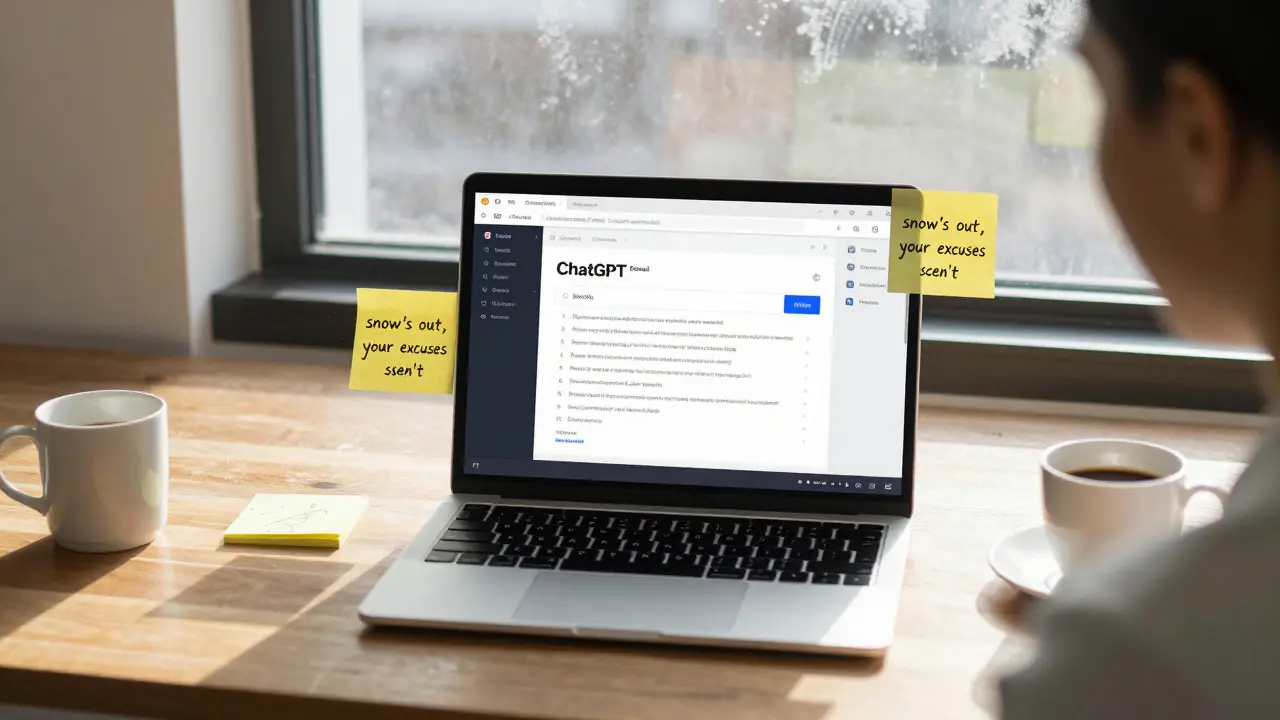
Online marketing isn’t just about posting ads or running Facebook campaigns anymore. It’s about speaking to thousands of people in a way that feels personal - even when you’re not. That’s where ChatGPT comes in. It’s not magic, but it’s close. If you’re still doing all your content, emails, ads, and customer replies by hand, you’re working harder than you need to. ChatGPT isn’t replacing marketers. It’s turning them into force multipliers.
How ChatGPT Actually Helps in Daily Marketing Tasks
Think of ChatGPT as your 24/7 assistant who never gets tired, doesn’t ask for coffee breaks, and can write in five different tones in under a minute. Here’s what it does in real marketing workflows:
- Writes high-converting email subject lines that actually get opened
- Generates 10 variations of a product description in under 30 seconds
- Turns a 500-word blog post into a LinkedIn carousel in one prompt
- Creates personalized drip campaign sequences based on customer behavior
- Answers common customer questions for your chatbot without coding
One e-commerce store in Calgary started using ChatGPT to rewrite their product descriptions. They went from 120 words per page to 180 words - with more emotional hooks, clearer benefits, and natural keywords. Their conversion rate jumped 22% in six weeks. No A/B testing. No new ads. Just better copy, faster.
Content Creation That Doesn’t Feel Robotic
A lot of people think AI content sounds fake. That’s because most people use it wrong. You can’t just type “Write a blog about sustainable fashion” and call it a day. You need to guide it.
Try this instead: “I run a small online store selling eco-friendly yoga mats made in Canada. My customers are women aged 28-45 who care about sustainability but hate greenwashing. Write a 700-word blog post titled ‘Why Your Yoga Mat Matters More Than You Think’ in a warm, conversational tone - like a friend telling you a story over coffee.”
That’s the difference. The more specific you are, the less robotic it sounds. ChatGPT doesn’t think like a human. But it can mimic one - if you give it the right blueprint.
Use it to draft, not to deliver. Write the first version with ChatGPT. Then rewrite it yourself. Add your voice. Add your story. Add your local reference - like mentioning Calgary’s winter yoga studios or the Bow River trails. That’s what makes it feel real.
Personalization at Scale
Personalized marketing works. But manually customizing emails for 10,000 customers? Impossible. ChatGPT makes it doable.
Let’s say you sell outdoor gear. You have a customer who bought a tent last month. You know they live in Alberta. You know they clicked on your hiking boots page but didn’t buy. Here’s a prompt you can use:
“Write a follow-up email to a customer who bought the Summit Pro Tent in November. They viewed our Glacier Trail Hiking Boots but didn’t purchase. Mention that snow is still on the trails in Banff this month, and these boots are designed for icy conditions. Keep it casual, helpful, and under 150 words.”
ChatGPT generates that in seconds. You tweak the tone, add a discount code, hit send. Suddenly, you’re having one-on-one conversations with 5,000 people. That’s the power of AI-powered personalization.
Turning Customer Service Into a Marketing Tool
Most businesses treat customer service as a cost center. ChatGPT turns it into a revenue channel.
Imagine this: A customer asks, “Is this backpack waterproof?” Instead of a canned reply, your chatbot says: “Great question! Our TrailMaster backpack has a 10,000mm waterproof rating - better than most rain jackets. One of our customers in Banff used it during a 3-day storm last winter. Here’s what she said: [quote]. Want to see how it handles snow?”
That’s not just answering a question. That’s telling a story. That’s building trust. That’s marketing.
Set up ChatGPT to handle FAQs. Train it on your best customer testimonials. Let it respond with personality. The result? Happier customers. Fewer support tickets. And more sales.

Ad Copy That Converts - Without the Guesswork
Running Facebook or Google ads? ChatGPT can generate dozens of variations in minutes. Test them. Kill the weak ones. Double down on what works.
Try this prompt: “Generate 15 ad headlines for a new line of insulated coffee mugs. Target audience: Canadian remote workers. Tone: humorous, slightly sarcastic. Include references to winter, Zoom calls, and cold offices.”
You’ll get lines like: “Your Zoom meeting is freezing. Your coffee isn’t.” or “It’s -25°C outside. Your mug shouldn’t be.”
One Shopify store ran 20 ad variations using ChatGPT. The top performer had a 3.8% click-through rate - 2.1x the average. They didn’t change the product. They didn’t raise the budget. They just used better words.
What ChatGPT Can’t Do (And What You Still Need to Do)
Let’s be clear: ChatGPT isn’t your marketing director. It doesn’t know your brand’s soul. It doesn’t feel your customers’ pain. It doesn’t understand why your product matters in this city, right now.
Here’s what you still need to do:
- Define your brand voice - ChatGPT can mimic it, but you have to teach it
- Understand your audience - ChatGPT guesses. You know.
- Review every output - AI makes mistakes. Especially with tone, context, and cultural nuance
- Stay human - Use AI to scale, not to replace
The best marketers aren’t the ones using AI the most. They’re the ones using it the smartest.
Getting Started: 3 Simple Steps
If you’ve never used ChatGPT for marketing, start here:
- Define one task - Pick one repetitive thing you do: email subject lines, product descriptions, social captions. Anything.
- Write a clear prompt - Include audience, tone, length, and goal. Be specific.
- Test, tweak, repeat - Use it for a week. See what sticks. Kill what doesn’t.
Don’t try to overhaul everything. Just improve one thing. Then another. In 30 days, you’ll wonder how you ever did without it.

Real Example: A Local Calgary Business That Changed Everything
A boutique fitness studio in Calgary was struggling to fill morning classes. Their emails were bland. Their social posts felt like ads. They started using ChatGPT to:
- Write morning motivation captions: “The snow’s out. Your excuses aren’t.”
- Generate personalized follow-ups after free trials: “You showed up. Now let’s keep going.”
- Turn client testimonials into mini-stories: “Maria, 42, went from avoiding stairs to hiking Mount Norquay.”
Within eight weeks, class attendance jumped 41%. Their email open rate went from 22% to 58%. No new ads. No new staff. Just smarter copy - powered by AI.
| Task | Traditional Time | With ChatGPT | Quality Improvement |
|---|---|---|---|
| Write 10 email subject lines | 45 minutes | 3 minutes | Higher open rates |
| Create product descriptions | 1 hour per product | 8 minutes per product | More emotional hooks |
| Respond to 50 customer questions | 5 hours | 20 minutes | More consistent tone |
| Generate ad variations | 2 hours | 15 minutes | Higher CTR |
Frequently Asked Questions
Is ChatGPT free to use for marketing?
Yes, you can start with the free version of ChatGPT for basic tasks like writing emails, captions, or simple ad copy. But if you’re serious about scaling - especially for customer service, long-form content, or data-driven prompts - upgrading to ChatGPT Plus ($20/month) gives you faster responses, access to GPT-4, and file uploads. That’s cheaper than hiring a part-time copywriter.
Can ChatGPT replace my copywriter?
Not if you want your brand to feel human. ChatGPT is a tool, not a replacement. Think of it like a thesaurus on steroids. It gives you options. You choose the best one. Then you make it yours. The best results come when you use AI to draft, then edit with your own voice, experience, and local insight.
Is ChatGPT good for SEO?
It can be - if you use it right. ChatGPT doesn’t know SEO rules. But it can follow them if you tell it to. Ask it to include keywords naturally, write for readability, use H2s, and avoid fluff. Then edit for depth. The best SEO content isn’t written by AI. It’s guided by AI - then perfected by a human who understands their audience.
What industries benefit most from ChatGPT in marketing?
E-commerce, SaaS, local service businesses, and content-heavy niches like fitness, coaching, and education see the biggest gains. Why? They all rely on consistent, personalized communication. ChatGPT helps them scale that without hiring more staff. Even dentists and plumbers use it to write blog posts and reply to Google reviews.
How do I avoid sounding robotic?
Add your own voice after AI drafts. Mention local landmarks, inside jokes, or customer stories. Use contractions. Break sentences. Add emotion. If it sounds like a textbook, rewrite it. The goal isn’t perfection - it’s connection. People don’t buy from perfect brands. They buy from real ones.
Next Steps: What to Do Tomorrow
Don’t wait for the perfect plan. Start small. Pick one thing you hate doing - writing emails, replying to DMs, creating social posts. Use ChatGPT to handle it. Then tweak the result until it sounds like you. Do that for seven days. By the end of the week, you’ll have saved 10+ hours. And you’ll have more energy to focus on what AI can’t do: build relationships.