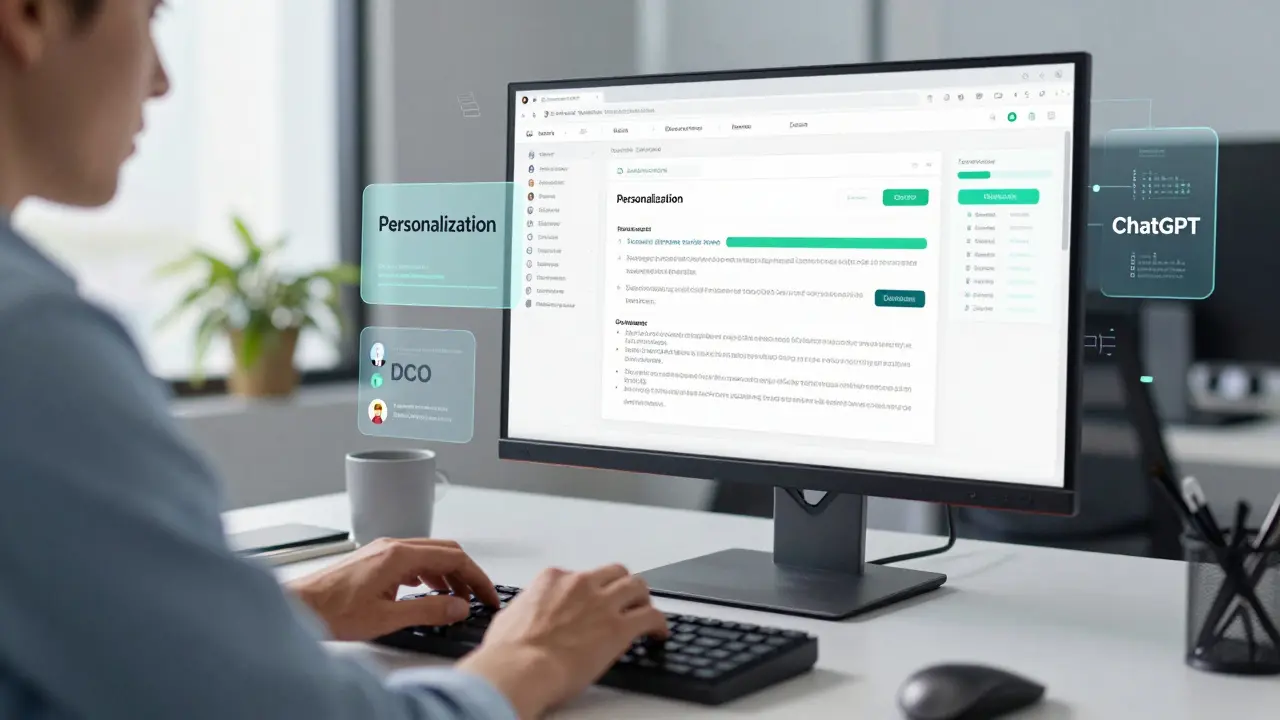
ChatGPT for Online Marketing: How AI Is Transforming Campaigns in 2026

By early 2026, companies using ChatGPT for online marketing are seeing 40% faster campaign launches and 30% higher conversion rates than those still relying on manual workflows. It’s not magic-it’s automation, precision, and human-like creativity working together. If you’re still writing ad copy by hand, scheduling social posts without context, or guessing what your audience wants, you’re already behind.
ChatGPT Isn’t Just a Chatbot-It’s Your Marketing Team
Think of ChatGPT as the quiet intern who never sleeps, never complains, and can draft 50 versions of a product description in five minutes. But it’s more than that. It understands tone, adjusts for platform, and learns from your past campaigns. You don’t just ask it to "write a Facebook post." You say: "Write a 120-character Facebook post for our new eco-friendly water bottle targeting moms aged 30-45 in California, using casual, slightly humorous language, and include a CTA about free shipping." It gets it. Every time.
That’s because modern versions of ChatGPT are trained on billions of marketing examples-from Amazon product pages to viral TikTok captions. It knows what converts. It knows what gets ignored. And it can replicate winning patterns faster than any human team.
How to Use ChatGPT for Content That Actually Converts
Most marketers use ChatGPT to generate blog posts. That’s like using a Ferrari to drive to the grocery store. The real power is in hyper-targeted, platform-specific content.
- Google Ads headlines: Ask it to generate 20 variations of ad copy using your top 3 keywords, then test the top 5. One SaaS company saw a 22% increase in CTR just by swapping out generic phrases like "best solution" for "stops payroll errors in 3 clicks".
- Email subject lines: Feed it your last 10 email open rates and ask: "Which of these subject lines would perform best based on past data?" It’ll analyze patterns like urgency, curiosity, and personalization-and tell you why.
- Social captions: Don’t just ask for a caption. Say: "Write a LinkedIn post for our B2B SaaS tool that’s 140 characters, uses industry jargon but stays approachable, and ends with a question to spark comments."
One e-commerce brand in Austin used ChatGPT to rewrite 200 product descriptions in under an hour. They didn’t just save time-they increased average order value by 18% because the new copy focused on emotional benefits ("sleep better tonight") instead of features ("5-layer memory foam").
ChatGPT for SEO: Beyond Keywords
SEO in 2026 isn’t about stuffing keywords. It’s about answering questions better than anyone else. ChatGPT helps you do that.
Instead of researching long-tail keywords manually, paste your top 10 competitor blog posts into ChatGPT and ask: "What questions are these articles answering that aren’t covered?" It’ll surface gaps you didn’t even know existed. One fitness brand discovered that nobody was answering "how to lose belly fat without cardio"-so they wrote a guide on it. The post ranked #1 in two weeks.
Also, use ChatGPT to rewrite meta descriptions with emotional triggers. A travel agency tested 15 variations of a meta description for "best Hawaii vacation packages." The version ChatGPT suggested-"Your kids will beg you to come back next year. Here’s how to make it happen"-had a 37% higher click-through rate than their original.

Personalization at Scale
People don’t want generic marketing. They want messages that feel written just for them. ChatGPT makes that possible without hiring 50 copywriters.
Here’s how one SaaS company did it: They took their customer database-12,000 users-and segmented them by job title, industry, and past behavior. Then they fed each segment’s profile into ChatGPT with this prompt: "Write a 90-word personalized email for [job title] in [industry] who has used [feature] but hasn’t upgraded. Focus on time saved and stress reduction. Use their first name. Keep it casual but professional. End with a simple CTA to upgrade."
The result? A 52% open rate and 14% conversion rate-double their previous campaign. And they did it all in one afternoon.
Automating Ad Testing Without Guesswork
A/B testing ads used to take weeks. Now, you can generate 100 variations in minutes.
Ask ChatGPT: "Generate 20 different Facebook ad variations for a budget travel app targeting college students. Use 3 tones: funny, inspirational, and no-nonsense. Include emojis where appropriate. Each ad must be under 100 characters."
Then run them in Meta Ads Manager. After 48 hours, feed the top 3 performers back into ChatGPT and ask: "What elements made these perform better?" It’ll tell you things like: "The funny ones used student slang like 'ramen budget' and 'all-nighter ready.' The inspirational ones mentioned 'freedom' and 'adventure' more than 'cheap.'"
You’re not just running ads-you’re reverse-engineering what works.
ChatGPT and Customer Service: Turning Complaints Into Sales
When a customer leaves a negative review, your response matters. ChatGPT helps you turn anger into loyalty.
Copy a complaint like: "I paid $99 for this course and it was just a bunch of recycled YouTube videos." Then ask ChatGPT: "Write a sincere, empathetic response that acknowledges the disappointment, explains what we’ve improved since then, and offers a free upgrade to the new version. Keep it under 120 words."
That single response turned a public complaint into a testimonial: "They actually reached out and fixed it. Now I’m their biggest fan."
Companies using this method report a 27% increase in customer retention after negative interactions.
What ChatGPT Can’t Do (And What You Still Need)
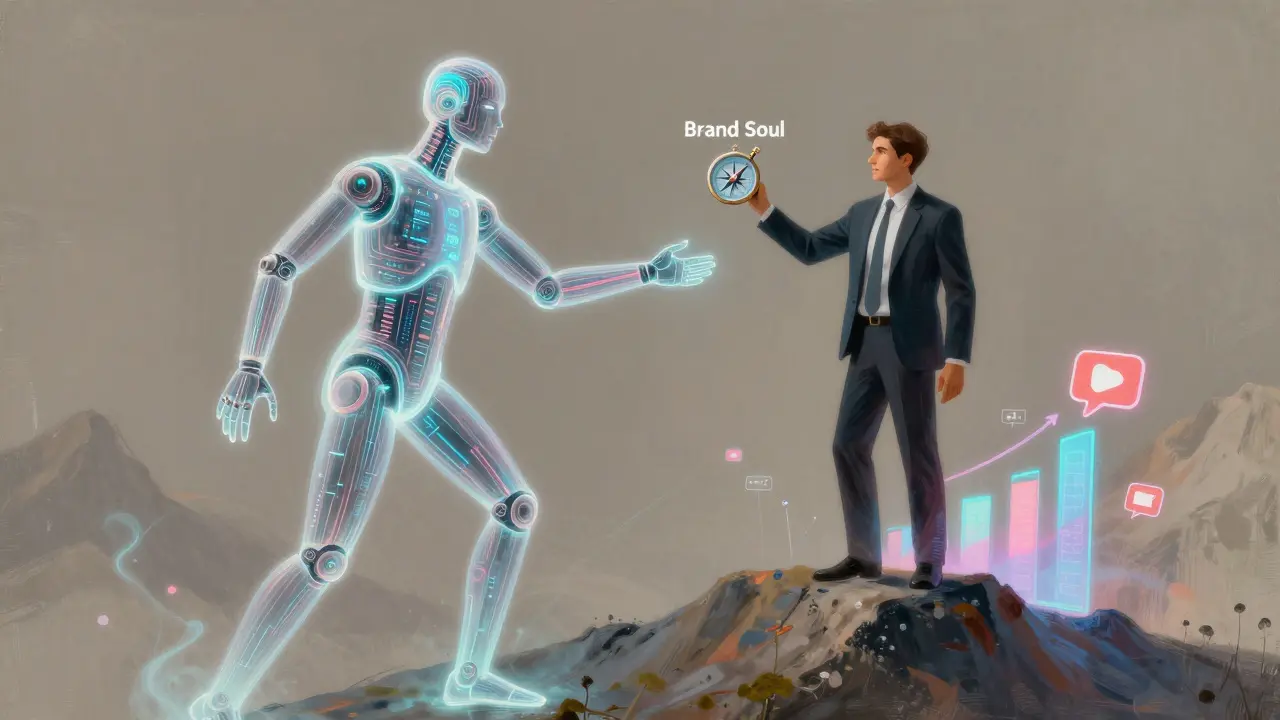
Don’t get fooled. ChatGPT doesn’t replace strategy. It doesn’t know your brand’s soul. It doesn’t understand cultural nuance unless you teach it.
Here’s what still needs a human:
- Setting goals and KPIs
- Understanding your audience’s deeper fears and desires
- Approving final messaging for brand safety
- Knowing when to break the rules (like when a joke lands too hard)
Think of ChatGPT as your co-pilot. You still hold the wheel. But now, you’re not driving blind.
Getting Started: Your First 3 Steps
If you’re new to this, don’t try to overhaul everything at once. Start small.
- Replace one repetitive task: Pick your most boring marketing chore-maybe writing weekly email newsletters. Use ChatGPT to draft the first version. Edit it. Keep the good parts.
- Test one campaign: Run one ad or email with AI-generated copy and one with your old version. Compare results after 7 days.
- Train it on your voice: Feed ChatGPT 5 of your best-performing pieces of content and say: "Write like this." It will start mimicking your tone.
Within two weeks, you’ll wonder how you ever did it without it.
Final Thought: The Winners Are Already Using It
Every big brand-from Shopify to Nike-is quietly using AI to scale marketing. The difference? They’re not using it to replace people. They’re using it to make people better.
If you wait until ChatGPT becomes "mainstream," you’ll be late. It already is. The question isn’t whether you should use it. It’s how fast you can start.
Can ChatGPT replace my marketing team?
No. ChatGPT is a tool, not a replacement. It handles repetitive tasks, generates ideas, and speeds up execution-but strategy, brand voice, and emotional intelligence still require humans. The best teams use ChatGPT to free up time so they can focus on higher-level decisions.
Is ChatGPT good for SEO in 2026?
Yes, but only if used correctly. ChatGPT helps identify content gaps, rewrite meta tags for higher click-through rates, and structure blog posts around user intent. Google rewards content that answers questions clearly and thoroughly-and ChatGPT excels at that. Just avoid copying its output verbatim. Always edit for originality and brand voice.
How much time can I save using ChatGPT for marketing?
Most marketers save 10-15 hours per week. Tasks like writing social captions, drafting email sequences, generating ad variations, and researching competitors that used to take days now take minutes. One agency reduced their content production time by 60% and doubled their output without hiring more staff.
Does ChatGPT understand my industry?
It knows a lot-but not everything. ChatGPT has been trained on general data, so it may miss niche jargon or regulations. The fix? Feed it your own content, customer FAQs, and product specs. The more you train it on your specific context, the better it gets. Think of it like teaching a new hire: start with examples, then refine.
Are there risks to using ChatGPT for marketing?
Yes. The biggest risks are generic content, factual errors, and tone-deaf messaging. Always review outputs for accuracy and brand alignment. Never use AI-generated content without editing. Also, avoid using it for legal disclaimers, medical claims, or financial advice unless you’re certain it’s correct. When in doubt, add a human review step.
Start today. Pick one task. Let ChatGPT handle it. See what happens. You’ll be surprised how fast you adapt-and how much faster your results become.