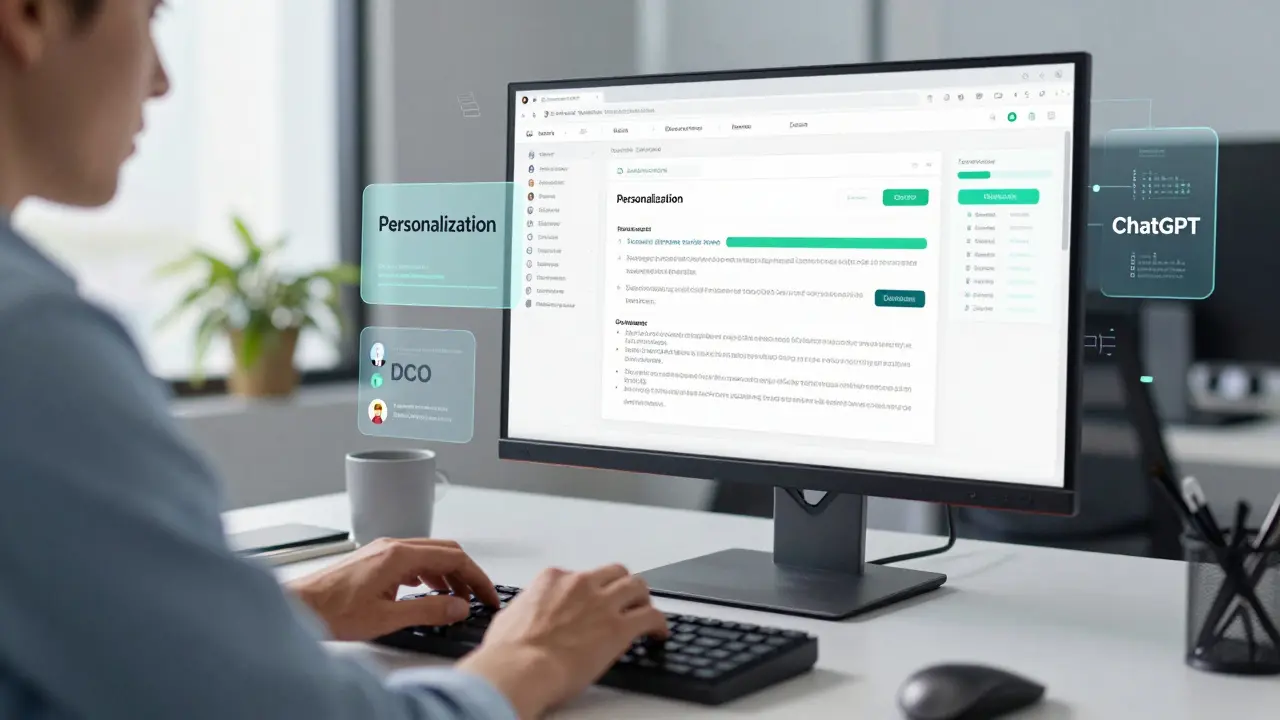
The Comprehensive Guide to ChatGPT for Digital Marketing

Every digital marketer knows the struggle: too many tasks, not enough hours. Writing blog posts, drafting social media captions, brainstorming ad copy, optimizing emails-each one eats up time you could spend on strategy or analytics. And if you’re not using ChatGPT yet, you’re doing all of it manually while competitors are scaling content 10x faster. This isn’t science fiction. It’s happening right now, in real marketing teams across San Francisco, New York, and Austin.
What ChatGPT Actually Does for Digital Marketing
ChatGPT isn’t a magic wand. It doesn’t replace strategy, creativity, or human judgment. But it does something far more valuable: it handles the heavy lifting so you can focus on what matters. Think of it as a tireless intern who never sleeps, never gets tired, and can draft 50 variations of a product description in under a minute.
Used right, ChatGPT becomes your content engine. It generates headlines, writes email subject lines that boost open rates, turns long-form reports into Twitter threads, and even helps you tweak tone for different audiences. One agency in Portland used it to cut their blog production time from 8 hours per post to 90 minutes-and saw a 34% increase in organic traffic over three months.
It’s not about replacing writers. It’s about upgrading them.
How to Use ChatGPT for Content Creation
Most marketers start by asking ChatGPT to write a blog post. That’s a mistake. Instead, start small and build up.
- Start with headlines. Ask: "Generate 10 attention-grabbing headlines for a blog about sustainable fashion for Gen Z." You’ll get options that feel human-not robotic. Pick one, then refine it.
- Turn bullet points into paragraphs. Got a rough outline? Paste it in and say: "Expand each point into a 150-word section with examples."
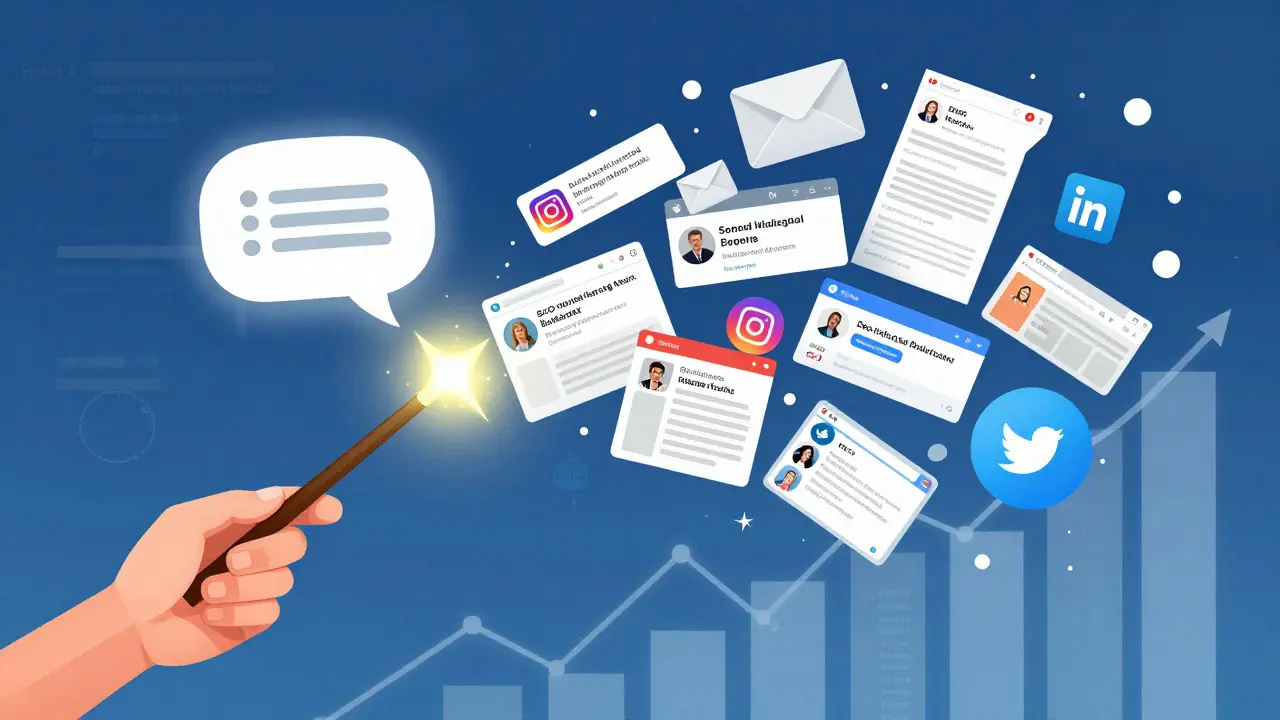
- Repurpose one piece into ten. Take a case study and ask: "Turn this into a LinkedIn post, an Instagram caption, a Twitter thread, and a newsletter blurb." You’ll get six different formats in five minutes.
- Fix tone. If your draft sounds too formal, say: "Rewrite this in casual, conversational tone like a TikTok creator talking to their followers."
One e-commerce brand in Chicago used this method to turn 12 product pages into 48 social posts across platforms. Their engagement rate jumped from 1.8% to 4.1% in six weeks.
ChatGPT for SEO and Keyword Optimization
SEO isn’t dead-it’s just gotten smarter. And ChatGPT is now a powerful ally in keyword research and on-page optimization.
Instead of relying solely on Ahrefs or SEMrush, ask ChatGPT: "What are the most common questions people ask about [topic]?" It pulls from real user intent, not just search volume data. You’ll uncover long-tail phrases you’d never think to target.
For example, if you’re selling yoga mats, ChatGPT might suggest: "How to clean a yoga mat without damaging it," or "Best yoga mat for hardwood floors." These are low-competition, high-intent phrases. Google loves them.
Then, take your draft and ask: "Optimize this article for SEO using the keywords: [list]. Keep it under 1,200 words and include H2s." It’ll restructure your content with proper headings, internal link suggestions, and keyword density that matches Google’s current guidelines.
Real result: A fitness coach in Denver used this method to rank #1 for "best yoga mat for knee pain"-a keyword with 2,100 monthly searches and almost no competition.
Writing Ads That Actually Convert
Ad copy is where ChatGPT shines brightest. The difference between a mediocre ad and a high-converting one? Usually, it’s one sentence.
Here’s how to use it:
- "Write 5 Facebook ad variations for a $49 meal prep service targeting busy moms in Texas. Focus on saving time and reducing stress. Use emotional triggers."
- "Rewrite this Google ad to sound less salesy and more helpful: [paste ad]."
- "Generate 10 Instagram carousel captions for a skincare brand using the hook: "Your skin isn’t broken-it’s just confused.""
One SaaS company in Seattle tested 12 ad variations generated by ChatGPT. The top performer had a 22% higher click-through rate than their previous best. The kicker? They didn’t change the landing page. Just the ad copy.
Pro tip: Always test. Run A/B tests with ChatGPT-generated copies. Let data decide-not your gut.
Automating Email Marketing
Email open rates are falling. But personalized, timely emails still convert better than any other channel.
ChatGPT helps you scale personalization without hiring a team. Need a welcome email sequence? Ask: "Write a 5-email welcome series for a new subscriber who signed up for a free productivity checklist. Use a friendly, encouraging tone. Include one CTA per email."
Need abandoned cart emails? Try: "Write 3 automated emails for someone who left a $120 skincare cart. Use urgency without being pushy. Mention free shipping and a 10% discount."
One beauty brand saw a 27% increase in recovered sales after switching to ChatGPT-generated cart recovery emails. Their open rate went from 38% to 54%-because the subject lines felt like they came from a real person.
ChatGPT for Social Media Strategy
Posting daily on Instagram, TikTok, LinkedIn, and X? It’s exhausting. And if you’re recycling the same content everywhere, you’re losing reach.
ChatGPT helps you tailor content for each platform:
- LinkedIn: "Write a professional post about how AI is changing digital marketing, targeting CMOs. Use data and a confident tone. End with a question to spark comments."
- Instagram: "Create a 5-slide carousel explaining how to use ChatGPT for content creation. Each slide needs a short headline and one-sentence explanation. Keep it visual-friendly."
- TikTok: "Write a 30-second script for a TikTok video showing how I use ChatGPT to write 10 posts in 5 minutes. Use humor and fast cuts."
- X (Twitter): "Generate 7 tweet threads about common digital marketing mistakes. Each thread should be 3 tweets. Use a sarcastic but helpful tone."
One digital agency in Austin used this approach to grow their Instagram from 8K to 42K followers in five months-without running a single ad.

Common Mistakes to Avoid
ChatGPT isn’t flawless. And if you treat it like a black box, you’ll get mediocre results-or worse, embarrassing ones.
- Don’t copy-paste output. Always edit. ChatGPT doesn’t know your brand voice. It guesses. You know it.
- Don’t use it for legal or medical claims. It hallucinates facts. Always verify stats, dates, and product claims.
- Don’t ignore tone. If your brand is playful, don’t let ChatGPT write dry, corporate jargon. Say: "Make this sound like our CEO, who talks like a friend who knows too much about marketing."
- Don’t forget the human touch. Add personal stories, real customer quotes, or inside jokes. That’s what makes content memorable.
One brand got flagged by Google for misleading claims because they used ChatGPT to rewrite a product description with false certifications. They lost traffic for six months.
How to Get Started Today
You don’t need a team or a budget. Start with these three steps:
- Pick one task. Pick the most time-consuming thing you do weekly-maybe writing blog intros or scheduling social posts.
- Give ChatGPT a clear prompt. Don’t say "Write a post." Say: "Write a 200-word Instagram caption for our new reusable coffee cup. Target urban professionals aged 25-35. Use emojis and a casual tone. Include a CTA to shop now."
- Test, tweak, repeat. Track results. Did engagement go up? Did more people click? Adjust your prompts based on what works.
Within two weeks, you’ll be saving 5-10 hours a week. In a month, you’ll be running campaigns you didn’t think possible.
What Comes Next
ChatGPT is just the beginning. Soon, AI tools will predict which headlines will trend, auto-generate video scripts from blog posts, and even suggest the best time to post based on your audience’s behavior.
But the winners won’t be the ones using the most AI. They’ll be the ones who use AI smarter-combining automation with real insight, real emotion, and real strategy.
Right now, you have a chance to get ahead. Not by working harder. But by working differently.
Can ChatGPT replace my digital marketing team?
No. ChatGPT can handle repetitive tasks like drafting copy, suggesting headlines, or optimizing keywords-but it can’t replace strategy, creativity, or emotional intelligence. Your team still decides what to say, who to target, and why it matters. ChatGPT is a tool, not a replacement.
Is ChatGPT free to use for marketing?
Yes, you can use the free version of ChatGPT for basic marketing tasks like writing emails or social posts. But for serious use-faster responses, file uploads, custom instructions, and better accuracy-you’ll want ChatGPT Plus ($20/month). It’s worth it if you’re spending more than 10 hours a week on content creation.
Does ChatGPT improve SEO rankings?
ChatGPT doesn’t directly improve rankings. But it helps you create better content faster-content that answers user questions, uses the right keywords, and keeps readers engaged. Google rewards that. So while ChatGPT doesn’t rank your site, the content it helps you create can.
How do I avoid generic, robotic content from ChatGPT?
Always edit. Add your brand’s personality. Include real examples, customer stories, or inside references. Ask ChatGPT to mimic your tone: "Write this like our founder, who uses slang and jokes but still sounds professional." Also, avoid overly long paragraphs. Break it up. Use contractions. Sound human.
Can ChatGPT write ads for Facebook and Google?
Yes. In fact, many top-performing ad campaigns now start with ChatGPT. Just be specific: mention your audience, product, goal, and tone. Test multiple versions. The best ad copy often comes from refining 5-10 variations-not one perfect draft.
Is using ChatGPT for marketing ethical?
Yes-if you’re transparent and responsible. Don’t use it to mislead customers, fabricate testimonials, or fake data. Always fact-check. Always edit. And never hide that AI helped. Ethical use means enhancing human work, not replacing honesty.
What’s the best way to train ChatGPT for my brand?
Use Custom Instructions. Go to Settings > Custom Instructions and paste in your brand voice, tone, common phrases, and examples of past successful content. This trains ChatGPT to sound like you-even if you forget to mention it every time.
How do I measure if ChatGPT is working for my marketing?
Track metrics before and after. Did email open rates go up? Did social engagement increase? Did blog traffic grow? Did you cut content production time? If you’re saving hours and getting better results, it’s working. Start with one campaign, measure it, then scale.
Start small. Stay consistent. Let ChatGPT handle the grind. You focus on the strategy that makes your brand unforgettable.