How to Use ChatGPT for SEO: A Practical Guide for 2026
Stop writing blog posts that look like they were generated by a robot. If you are using ChatGPT is a large language model developed by OpenAI designed to generate human-like text and assist with various tasks to dump out thousands of words and hope Google ranks them, you are already behind. The game changed in 2024 when Google introduced the Search Generative Experience (SGE) and tightened its spam policies. Now, in 2026, the algorithm doesn't just read your keywords; it understands context, authority, and user satisfaction.
But here is the good news: AI isn't the enemy of SEO anymore. It’s the engine. When used correctly, ChatGPT can cut your research time by half and help you structure content that actually answers what users are asking. This guide skips the fluff. We will talk about how to use this tool to build topical authority, optimize for semantic search, and avoid the pitfalls that get sites de-indexed today.
The Shift from Keywords to Entities
Gone are the days when stuffing "best running shoes" into every paragraph worked. Modern search engines rely on knowledge graphs. They map entities-people, places, things-and their relationships. Your job as an SEO professional is no longer just targeting phrases; it is proving relevance through entity coverage.
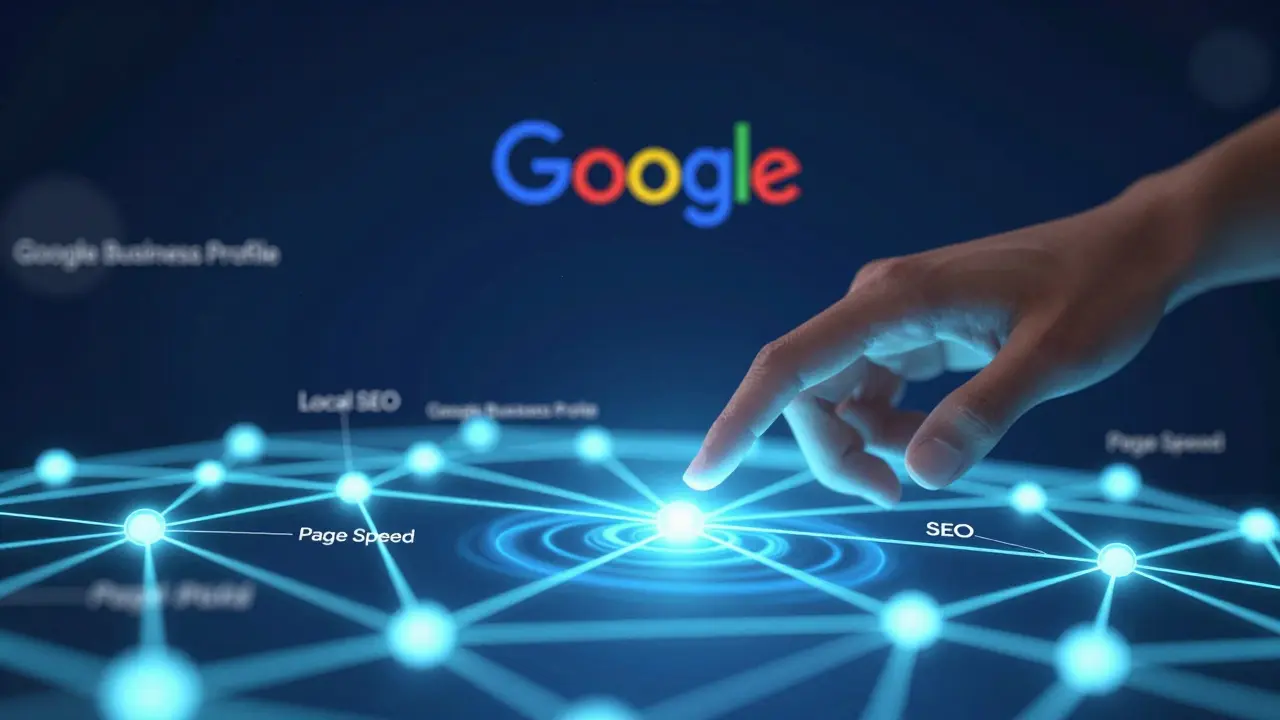
When you ask ChatGPT to write about "digital marketing," it gives you generic advice. But if you prompt it to analyze the entity relationship between "local SEO" and "Google Business Profile," you get structured data insights. You need to treat your content as a node in a larger network. For example, if you are writing about Search Engine Optimization is the practice of increasing the quantity and quality of web traffic to a website or a web page from search engines, you must also cover related entities like "page speed," "mobile usability," and "backlink profile." Missing these connections signals to Google that your content is shallow.
To do this effectively, start by identifying the central entity of your topic. Then, list five to ten related entities. Use ChatGPT to draft sections that explicitly connect these concepts. Instead of saying "SEO is important," say "Local SEO requires optimized Google Business Profiles because proximity is a ranking factor." This specificity builds trust with both readers and algorithms.
Mastering Search Intent with AI Prompts
Ranking high means nothing if your content doesn't match what the user wants. Search intent falls into four buckets: informational, navigational, commercial, and transactional. ChatGPT excels at analyzing intent if you give it the right context.
- Analyze Top Results: Copy the titles and meta descriptions of the top three results for your target keyword. Paste them into ChatGPT and ask: "What is the dominant search intent here? Is the user looking to buy, learn, or find a specific site?"
- Gap Analysis: Ask the AI: "What questions are missing from these top articles? What subtopics would add unique value?" This helps you identify long-tail opportunities that competitors overlook.
- Tone Matching: If the top results are technical whitepapers, don't write a casual blog post. Use ChatGPT to mimic the tone: "Rewrite this section to sound more authoritative and data-driven, suitable for B2B marketers."
For instance, if you are targeting "buy CRM software," the intent is transactional. Users want comparisons, pricing, and feature lists. If you write a history of customer relationship management, you fail the intent test. ChatGPT can quickly outline a comparison table structure, ensuring you hit all the decision-criteria points users care about.

Structuring Content for Featured Snippets
Position Zero-the featured snippet-is prime real estate. It appears above organic results and drives significant click-through rates. These snippets favor clear, concise answers structured in lists or tables. ChatGPT is perfect for generating this format.
Instead of asking for a full article, ask for specific components:
- "Create a bulleted list of 5 steps to fix a 404 error."
- "Generate a comparison table of Shopify vs. WooCommerce with columns for pricing, ease of use, and scalability."
- "Write a 50-word definition of 'canonical tags' for a beginner audience."
Place these structures near the beginning of your article. Google's crawlers love predictable HTML patterns. Using ordered lists (<ol>) for step-by-step guides and tables for comparisons increases your chances of being selected for a snippet. Remember, the goal is not just to be read by humans but to be parsed easily by machines.
| Task | Prompt Strategy | Expected Output |
|---|---|---|
| Title Generation | "Generate 10 title variations for [topic] that include power words and address [specific pain point]." | Click-worthy headlines optimized for CTR. |
| Meta Description | "Write a 155-character meta description for [URL] that includes the primary keyword [keyword] and a call to action." | Concise, compelling summary for SERPs. |
| Semantic Expansion | "List 10 semantically related terms and entities for [main topic] that should appear in the content." | LSI keywords and entity attributes for richer context. |
| FAQ Section | "Generate 5 common questions users ask about [topic] and provide concise, accurate answers." | Schema-ready Q&A pairs for voice search optimization. |
Avoiding AI Detection and Penalties
Here is the hard truth: Google does not penalize AI content directly. It penalizes low-quality, unhelpful content. However, raw AI output often lacks nuance, personal experience, and factual accuracy. This is where most SEOs stumble. They publish AI drafts without editing, resulting in bland, repetitive text that fails to engage readers.
To stay safe and effective, follow the E-E-A-T framework: Experience, Expertise, Authoritativeness, and Trustworthiness. ChatGPT has none of these. You do. Add your own anecdotes, case studies, and data points. If you claim a strategy works, cite a source or share a personal result. For example, instead of saying "Video content boosts engagement," say "Adding a 2-minute explainer video increased our time-on-page by 40% last quarter."
Also, fact-check everything. Large language models hallucinate. They might invent statistics or misattribute quotes. Always verify claims against primary sources. In 2026, credibility is currency. A single false claim can destroy your domain authority faster than any algorithm update.

Scaling Content Production Without Losing Quality
One of the biggest advantages of using AI is speed. You can produce a first draft in minutes instead of hours. But scaling requires a system. Don't just generate and publish. Create a workflow:
- Brief Creation: Use ChatGPT to create detailed content briefs based on competitor analysis.
- Drafting: Generate outlines and rough drafts for each section.
- Human Editing: Inject personality, verify facts, and ensure logical flow.
- Optimization: Check readability scores, keyword density, and internal linking opportunities.
- Review: Final proofread for tone and brand alignment.
This hybrid approach ensures consistency across large volumes of content while maintaining the human touch that readers crave. Tools like Grammarly or Hemingway Editor can help polish the prose after AI generation. Focus your energy on strategy and insight, not typing.
Future-Proofing Your SEO Strategy
As AI becomes more prevalent, the value of unique perspective increases. Generic content will become noise. To stand out, focus on niche expertise and community building. Use ChatGPT to brainstorm angles that challenge conventional wisdom or highlight emerging trends. For example, explore how privacy laws in New Zealand impact local SEO strategies, or discuss the rise of voice search in rural areas.
Additionally, monitor changes in search behavior. With SGE providing instant answers, users may click less on basic informational queries. Pivot your strategy toward complex problem-solving, opinion pieces, and curated resources that require human judgment. Position your brand as a trusted advisor, not just another information aggregator.
Does Google penalize AI-generated content?
No, Google does not penalize AI-generated content itself. However, it does penalize content that violates its Spam Policies, such as mass-produced, low-value, or misleading material. If your AI content is helpful, accurate, and provides a good user experience, it can rank well. The key is adding human oversight and value.
How can I make AI content sound more human?
Add personal anecdotes, specific examples, and varied sentence structures. Avoid robotic transitions and overly formal language. Edit the draft to include your unique voice, opinions, and experiences. Fact-check all statements and cite credible sources to build trust.
What is the best way to use ChatGPT for keyword research?
Use ChatGPT to brainstorm long-tail variations and semantic keywords related to your main topic. Ask it to list questions users might ask about your subject. Then, validate these ideas with traditional SEO tools like Ahrefs or SEMrush to check search volume and competition. AI is great for ideation, but data tools confirm viability.
Can ChatGPT write meta descriptions that improve CTR?
Yes, ChatGPT can generate multiple meta description options that include target keywords and compelling calls to action. However, you should review them to ensure they accurately reflect the page content and appeal to your specific audience. Testing different versions can help optimize click-through rates over time.
Is AI replacing SEO professionals?
Not yet. While AI automates many tactical tasks like drafting and keyword clustering, strategic thinking, creativity, and ethical judgment remain human domains. SEO professionals who leverage AI to enhance their workflow will outperform those who ignore it. The role is evolving from writer to editor and strategist.