
How to Maximize Your Reach with Digital Marketing
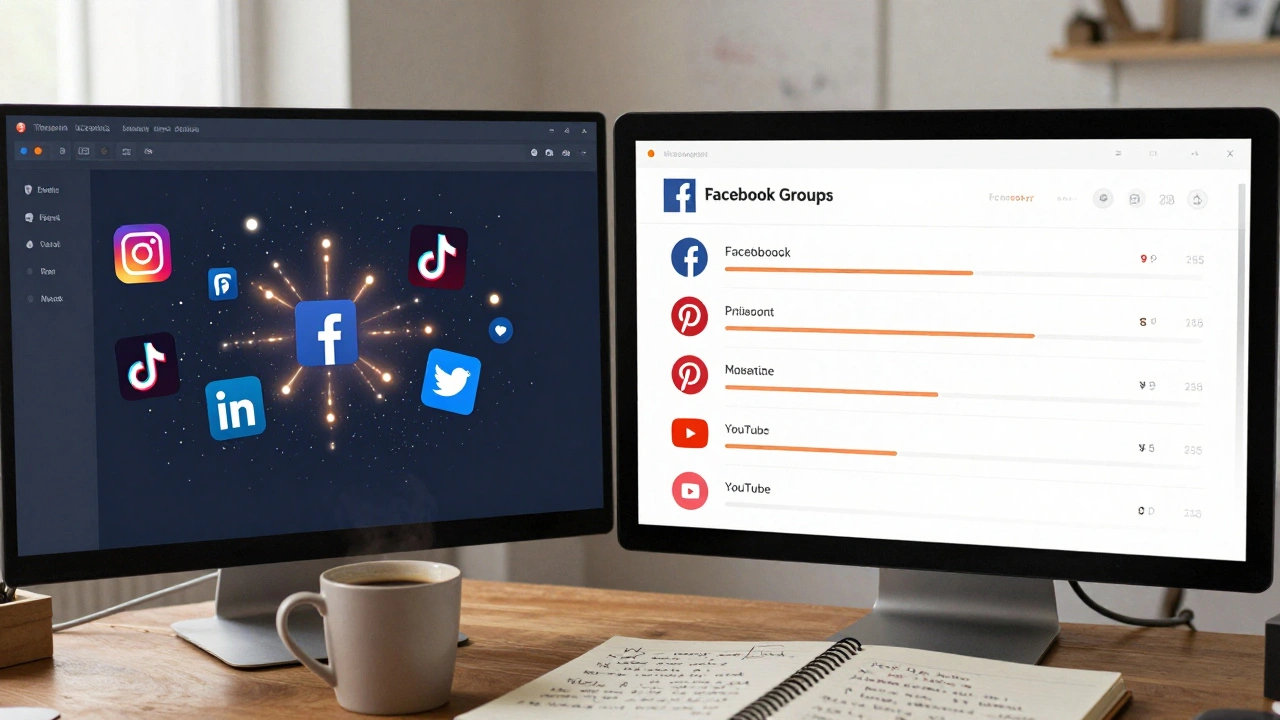
Most people think digital marketing is just posting on Instagram or running Facebook ads. But if you’re only doing that, you’re leaving 80% of your potential audience on the table. In 2025, reaching the right people isn’t about shouting louder-it’s about showing up in the right places, at the right time, with the right message. And that takes more than luck. It takes strategy.
Know Where Your Audience Actually Is
You can have the best product in the world, but if your audience isn’t on TikTok, your flashy video won’t matter. The mistake most businesses make is assuming their customers are everywhere. They’re not. Your audience is concentrated in a few key spots.
For example, if you sell eco-friendly kitchen gear to parents in New Zealand, your best channels are probably Facebook Groups, Pinterest, and YouTube tutorials-not LinkedIn. A 2025 survey by Digital NZ found that 68% of Kiwi households under 45 find new products through social media recommendations, not ads. That means word-of-mouth, not banners, drives sales.
Start by mapping your ideal customer. What time do they wake up? What apps do they use before coffee? Do they scroll while commuting? Are they researching on Google or asking friends in private groups? Tools like Google Analytics and Meta Insights give you hard data, but real insight comes from listening. Join the groups they’re in. Read the comments. Notice what questions keep popping up. That’s where your content should start.
Build Content That Doesn’t Feel Like Marketing
People don’t trust ads. They trust stories. They trust people who solve problems they didn’t even know they had.
Instead of writing a sales page about your organic skincare line, create a 12-minute video showing what your morning routine looks like-how you wash your face, what you eat for breakfast, how you handle stress. Mention your product once, casually, like you’re sharing a tip with a friend. That’s content marketing done right.
Look at brands like Kogan in Australia. They don’t run flashy commercials. They post real customer unboxings, repair tutorials, and “why we switched” stories. Their YouTube channel has over 2 million views-not because they spent big on ads, but because their content felt human.
Your content doesn’t need to be perfect. It needs to be helpful. A step-by-step guide on how to clean a coffee maker with vinegar? That’s not marketing. It’s useful. And people who find that guide will remember your brand when they’re ready to buy.
Use Paid Ads Wisely-Not Widely
Paid ads can multiply your reach, but only if you’re targeting tightly. Wasting money on broad audiences is the fastest way to burn through your budget.
Here’s how to fix it: start with one platform. Pick the one where your audience spends the most time. Then, create three ad variations. Each one speaks to a different pain point. One targets busy moms. One targets budget-conscious students. One targets eco-conscious buyers. Run them for two weeks. See which one gets the lowest cost per click and highest conversion rate.
Then double down on that one. Pause the others. Don’t spread yourself thin. In 2025, the most successful digital marketers spend 70% of their budget on one winning channel and 30% testing new ones. That’s the opposite of what most companies do.
Also, use lookalike audiences. If you have 500 customers who bought in the last 90 days, upload that list to Meta or Google Ads. Let the algorithm find people similar to them. That’s how you find new customers who already have the mindset to buy-not just the interest.

Turn One-Time Buyers Into Repeat Visitors
Acquiring a new customer costs five times more than keeping an existing one. Yet most businesses treat every visitor like a stranger.
Set up a simple email sequence. First email: thank them for buying. Second email: show them how to get the most out of their purchase. Third email: ask for a review. Fourth email: offer a discount on their next order. That’s it. No spam. No upsells. Just value.
Brands like The Sill, a plant shop in the US, do this perfectly. Their post-purchase emails feel like a friendly nudge from someone who actually cares. Their repeat customer rate is 42%. Most competitors hover around 18%.
Even small businesses can do this. Use free tools like MailerLite or Brevo. You don’t need fancy software. You just need consistency. Send one email a week. Make it useful. Make it personal. People will start looking forward to hearing from you.
Track What Actually Matters
Clicks, likes, shares-these are vanity metrics. They feel good, but they don’t pay the bills.
What matters is:
- How many people came to your site from your content?
- How many stayed longer than 60 seconds?
- How many signed up for your email list?
- How many bought something?
Set up Google Analytics 4. It’s free. Connect it to your website. Then create a custom dashboard that shows only those four numbers. Ignore everything else.
Every month, ask yourself: Did we get more people to take action? Not more likes. Not more followers. More actual buyers. If the answer is no, then your strategy needs tweaking-not more posts.
One Wellington-based bakery saw their sales jump 30% in three months just by tracking conversions instead of Instagram followers. They stopped chasing viral reels. They started asking: “Who’s coming to our website after seeing our post?” Then they optimized for that.

Collaborate, Don’t Compete
You don’t have to do everything alone. In fact, trying to do everything alone is why most digital marketing efforts fail.
Find other small businesses that serve the same audience but don’t compete with you. A yoga studio partnering with a healthy meal delivery service. A local bookstore teaming up with a coffee roaster. A pet groomer collaborating with a pet toy maker.
Do a joint giveaway. Cross-promote each other’s content. Share each other’s emails. One study from the New Zealand Business Network showed that 62% of small businesses saw a 20%+ increase in reach through strategic partnerships-without spending a cent on ads.
Start small. Send one email to a non-competing business owner you admire. Say: “I love what you’re doing. Would you be open to a quick coffee or Zoom chat?” Most will say yes. And suddenly, your audience doubles.
Consistency Beats Virality Every Time
Viral content is a lottery win. Consistent content is a steady paycheck.
Posting once a week, every week, for six months will outperform posting five times in one week and then vanishing for a month. Algorithms reward reliability. Audiences build trust through repetition.
Set a content calendar. Even if it’s just one post a week. Pick a day. Stick to it. Make it simple. A photo. A tip. A short story. That’s enough.
Don’t wait for inspiration. Show up anyway. The people who win in digital marketing aren’t the ones with the flashiest videos. They’re the ones who never quit.
What Comes Next?
Digital marketing isn’t about mastering every tool. It’s about focusing on what moves the needle. Start with one channel. Create one piece of helpful content. Track one metric. Then do it again next week.
The goal isn’t to be everywhere. It’s to be meaningful where it counts.
How long does it take to see results from digital marketing?
Most businesses see small improvements within 30 days-like more website visits or email signups. But meaningful growth-like consistent sales-usually takes 3 to 6 months. The key is consistency. Posting once a week for six months beats posting 20 times in one month and then stopping.
Do I need to be on every social media platform?
No. Being everywhere means being nowhere. Focus on one or two platforms where your audience actually spends time. For most small businesses in New Zealand, that’s Facebook and Instagram. If you’re targeting professionals, LinkedIn might be better. Don’t spread yourself thin. Master one channel before adding another.
Is paid advertising necessary for digital marketing?
Not always. Many businesses grow organically through content and word-of-mouth. But if you want to scale faster, paid ads can help. Start small-$5 a day on Facebook or Google. Test one message, one audience, one platform. If it works, increase the budget. If it doesn’t, stop and try something else.
What’s the most common mistake in digital marketing?
Trying to be everything to everyone. Businesses post random content, chase trends, and run ads on every platform without a plan. The result? Low engagement, wasted money, and burnout. Focus on one audience, one message, one channel. Do that well, and everything else follows.
How do I know if my content is working?
Look at actions, not likes. Are people signing up for your email list? Are they visiting your website? Are they buying? If your content leads to real behavior, it’s working. If it just gets shares or comments, it’s entertainment-not marketing.