Unleashing the Potential of Digital Marketing in Retail

Most retail stores still think digital marketing is just about posting on Instagram or running Google Ads. That’s like thinking a car is just wheels and an engine-missing the whole system that gets you from point A to point B. In 2025, digital marketing in retail isn’t a side project. It’s the core engine driving sales, loyalty, and survival. If you’re not using it right, you’re leaving money on the table-and your competitors are picking it up.
Customers Aren’t Walking In Anymore-They’re Scrolling In
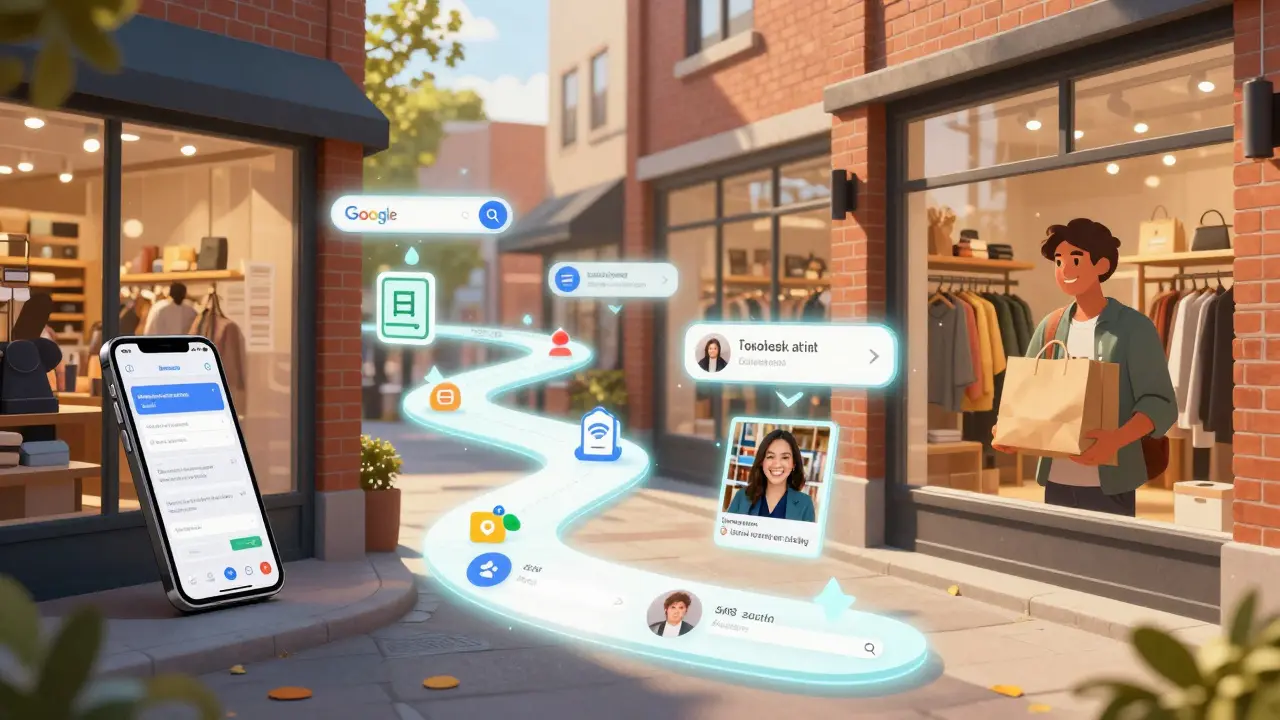
Think about the last time you bought something from a local store. Did you walk in first? Or did you check reviews on Google, compare prices on Amazon, watch a TikTok demo, and then decide whether to go? That’s the new retail journey. Over 78% of shoppers start their purchase journey online, even if they buy in-store. This isn’t a trend. It’s the new normal.
Brick-and-mortar stores that ignore this are fading. Stores that use digital tools to guide customers through every step-awareness, consideration, decision, loyalty-are thriving. It’s not about replacing the physical store. It’s about making it smarter.
Personalization Isn’t Optional-It’s Expected
Customers don’t want generic ads. They want offers that feel like they were made just for them. A grocery chain in Ohio saw a 42% increase in repeat purchases after using purchase history to send personalized coupons via SMS. One customer got a discount on almond milk because she bought it every Tuesday. Another got a deal on baby wipes because her profile showed she’d recently bought diapers.
Tools like CRM systems, AI-driven recommendation engines, and email automation make this possible. You don’t need a tech team. Platforms like Klaviyo, HubSpot, or even Shopify’s built-in tools let you segment customers by behavior, not just demographics. Send the right message to the right person at the right time-and watch conversion rates climb.
Social Media Isn’t Just for Branding-It’s for Sales
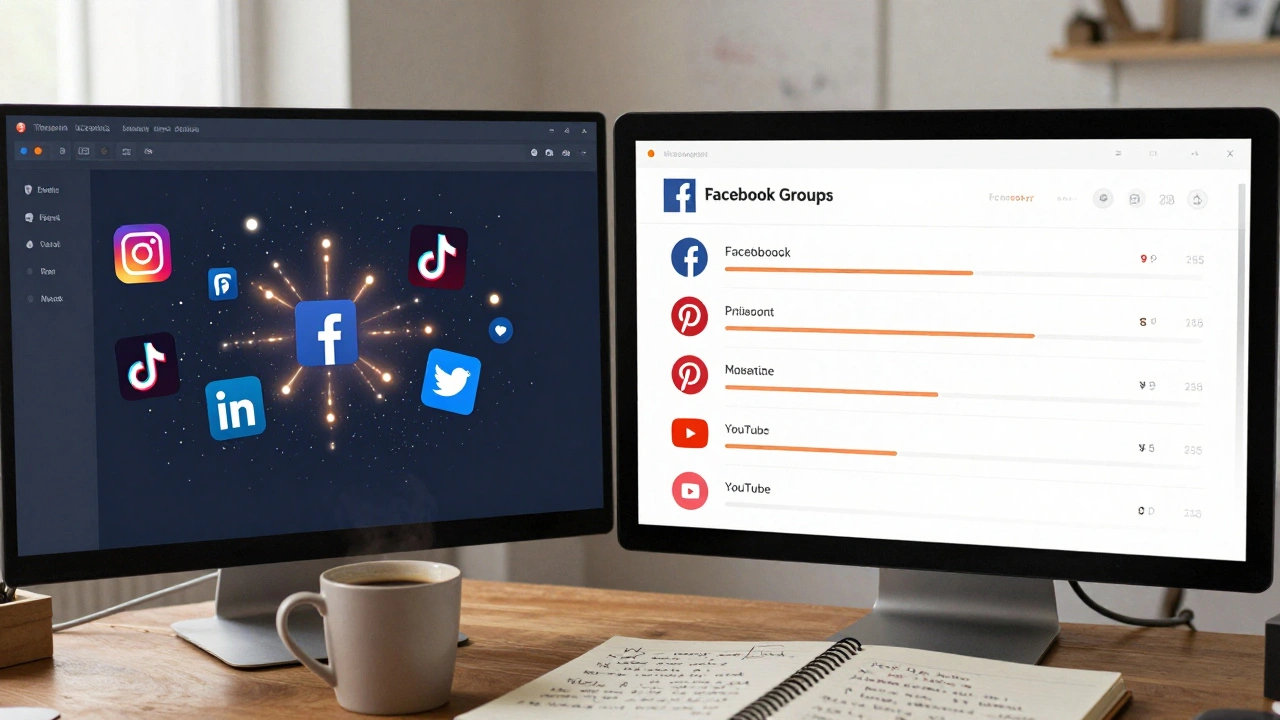
Instagram and TikTok aren’t just places to post pretty pictures. They’re checkout counters. TikTok Shop now processes over $20 billion in annual sales. Instagram’s shoppable posts let users tap and buy without leaving the app. And it works for small retailers too.
A boutique in Nashville started posting 30-second videos of customers trying on clothes. They tagged products. Within three months, 30% of their online sales came directly from TikTok. No ads. Just authentic content. People trust real people more than polished ads. That’s why user-generated content (UGC) outperforms branded content by up to 5x in engagement.
Local SEO Is the Invisible Salesperson
If someone searches “women’s shoes near me,” and your store doesn’t show up, you lose. Google Business Profile isn’t optional. It’s your digital storefront. 46% of all Google searches are local. And 76% of people who search for something nearby visit a business within 24 hours.
But most retailers mess it up. They don’t update hours. They use vague descriptions like “great service.” That’s not enough. You need specific details: “Open until 9 PM weekdays. Free parking in back. Buy one pair, get second 50% off.” Add photos of your storefront, your staff, your best-selling items. Respond to every review-positive or negative. This isn’t marketing fluff. It’s how you get found when it matters most.
Retargeting Works-If You Do It Right
Most people don’t buy on their first visit. They browse. They add to cart. Then they leave. That’s where retargeting comes in. But blasting the same ad over and over? That’s annoying. Smart retargeting is about timing and relevance.
A home goods store in Chicago noticed customers who viewed a $120 lamp often came back within 48 hours. So they set up a dynamic ad that showed that exact lamp with a limited-time discount-only if they hadn’t bought it yet. The result? A 27% recovery rate on abandoned carts. And they didn’t spam anyone. They just reminded them of something they already liked.
Use tools like Meta Pixel or Google Tag Manager to track behavior. Then serve ads that match what they viewed-not what you think they should want.
Data Is Your Secret Weapon
You don’t need a data science degree. You just need to look at what’s already in front of you. Your POS system tells you what sells. Your website analytics tell you where people drop off. Your email open rates tell you what topics matter.
One small retailer tracked which products were viewed most but rarely bought. They found customers loved a certain coffee maker-but thought it was too expensive. So they bundled it with a free bag of beans and ran a “starter kit” promotion. Sales jumped 63% in two weeks.
Start small. Pick one metric. Track it for a month. Test one change. Measure the result. Repeat. You don’t need fancy software. Google Analytics is free. Excel is free. The only thing you need is curiosity.
The Future Is Omnichannel-Not Online vs. In-Store
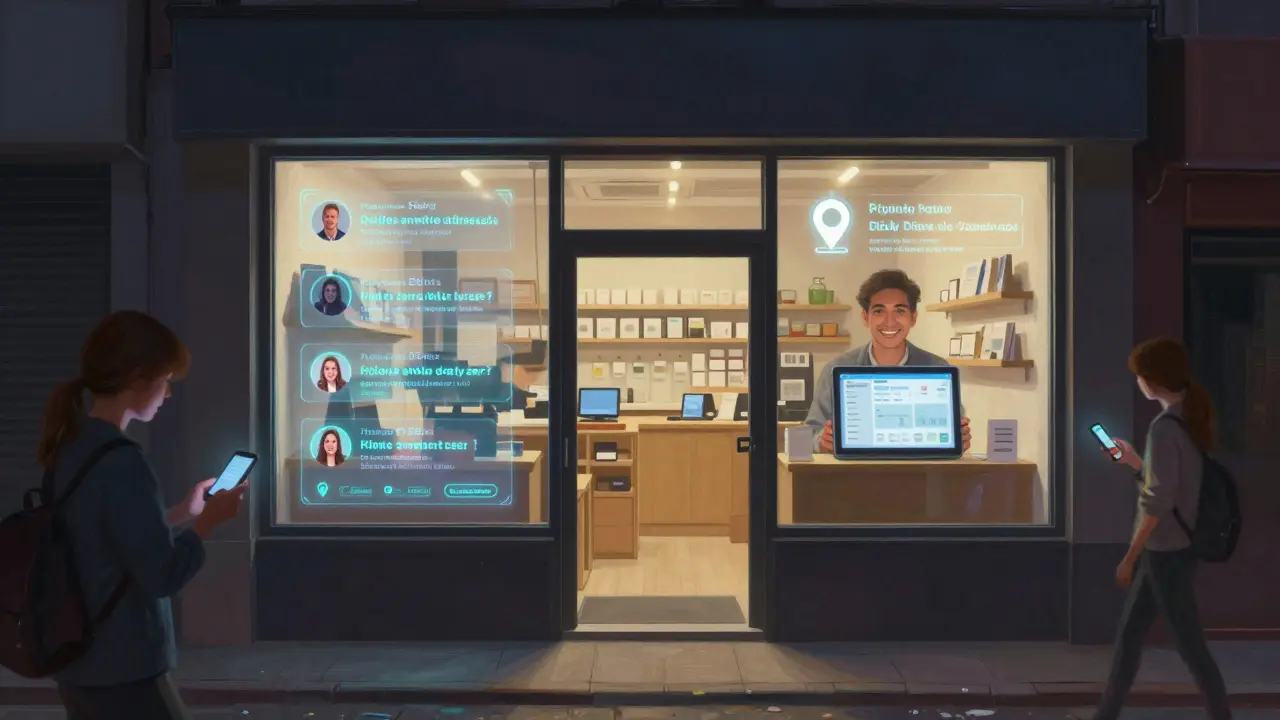
The best retailers don’t choose between online and offline. They blend them. Buy online, pick up in-store (BOPIS). Return online purchases at physical locations. Scan a QR code in the aisle to see reviews or get a discount. These aren’t gimmicks. They’re expectations.
Walmart’s BOPIS service now handles over 10 million weekly pickups. Nordstrom lets you book a personal stylist via app, then meet them in-store. These aren’t big tech companies-they’re retailers using digital tools to make the human experience better.
Your goal isn’t to replace the store. It’s to make the store more valuable. Digital tools remove friction. They give customers control. They turn a one-time shopper into a loyal fan.
Start Now-Don’t Wait for Perfect
You don’t need a $50,000 budget. You don’t need to hire a digital marketing agency. You need to start with one thing.
Here’s what to do this week:
- Claim or update your Google Business Profile. Add photos, hours, and a clear description.
- Set up one automated email sequence for cart abandoners or first-time buyers.
- Post one authentic video on Instagram or TikTok showing a customer using your product.
- Check your website’s mobile load speed. If it takes more than 3 seconds, fix it.
That’s it. No magic. No fluff. Just action. The retailers who win in 2026 aren’t the ones with the biggest budgets. They’re the ones who started before their competitors did.
Do I need to run ads to make digital marketing work for my retail store?
No. While paid ads help speed things up, many retailers see strong results using only organic methods. Focus on Google Business Profile, email marketing, social media content, and customer reviews first. These build trust and visibility without spending a dollar. Once you have a system working, then consider paid ads to scale what’s already proven.
How much time does digital marketing take for a small retail store?
You can manage it in under 10 hours a week. That’s less than two full workdays. Spend 2 hours on social posts, 2 hours on email campaigns, 1 hour updating your Google listing, 3 hours analyzing sales data, and 2 hours responding to reviews. The key is consistency-not perfection. Posting once a week is better than posting five times one week and none the next.
Is digital marketing only for big brands with big budgets?
Absolutely not. In fact, small retailers often have an advantage. They can move faster, test ideas quickly, and build real relationships with customers. A local bakery that posts daily stories of its bakers, responds to every comment, and offers a loyalty discount via text message often outperforms a national chain that uses generic ads. Authenticity beats scale every time.
What’s the biggest mistake retailers make with digital marketing?
Trying to do everything at once. Many stores jump into TikTok, Google Ads, email marketing, loyalty apps, and influencer collabs all in the same month. That’s overwhelming-and ineffective. Pick one channel. Master it. Measure results. Then add the next. Digital marketing isn’t a race. It’s a marathon built on small, consistent wins.
Can digital marketing help a store that’s already struggling?
Yes-but only if you fix the basics first. If your store has bad lighting, messy shelves, or rude staff, no amount of digital marketing will save you. Digital marketing doesn’t fix broken experiences. It amplifies them. So start with customer service, cleanliness, and product quality. Then use digital tools to let people know you’ve improved. That’s when the real growth happens.
What Comes Next?
Digital marketing in retail isn’t going away. It’s getting more powerful. AI will predict what customers want before they know it. Augmented reality will let people “try on” clothes from their phones. Voice search will change how people find stores. But the core won’t change: people still buy from brands they trust, feel seen by, and find easy to use.
Start today. Not tomorrow. Not next quarter. Today. Pick one step. Do it. Then do the next. The store that wins isn’t the one with the fanciest tech. It’s the one that never stopped listening-and never stopped showing up.