
How ChatGPT is Changing Digital Marketing: Trends and Strategies for 2026
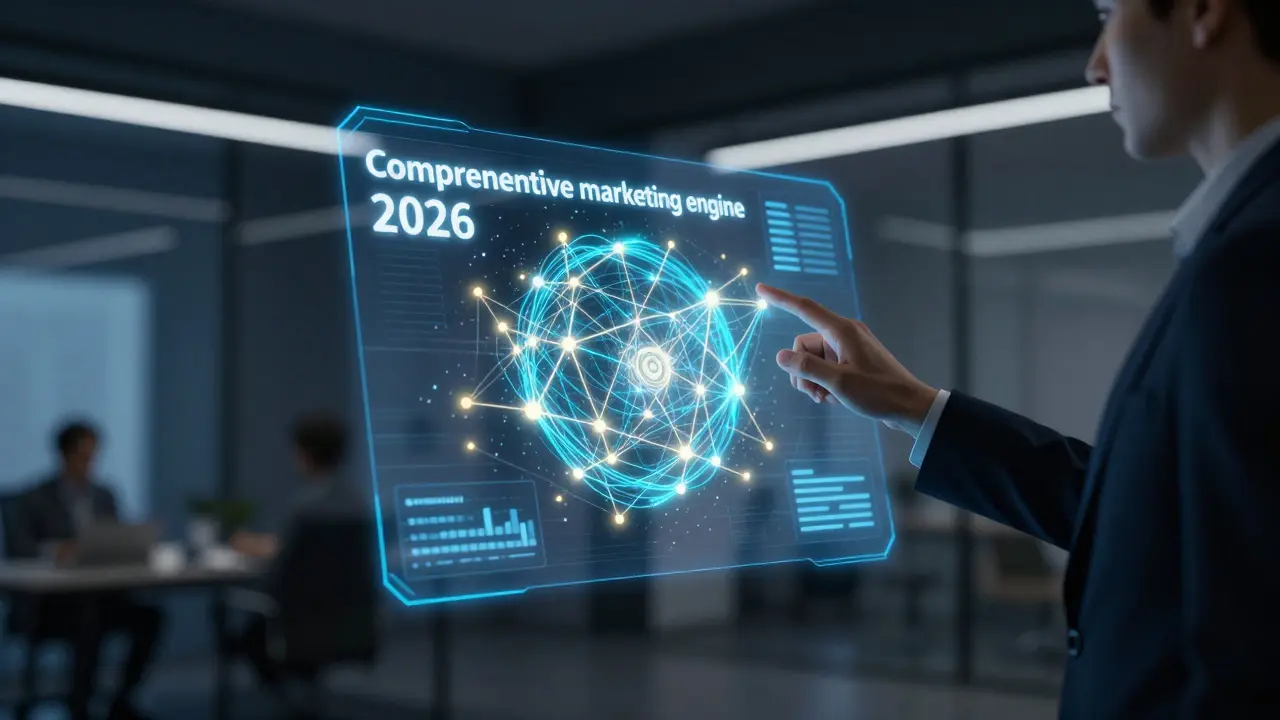
Quick Wins for AI-Driven Marketing
- Hyper-Personalization: Moving from "Dear [Name]" to content that adapts based on real-time user behavior.
- Content Velocity: Producing high-quality, SEO-optimized assets in minutes rather than days.
- Conversational Funnels: Replacing static lead forms with interactive AI dialogues that qualify leads instantly.
- Data Synthesis: Turning thousands of customer reviews into actionable product roadmaps instantly.
Moving Beyond the Prompt: The New Content Strategy
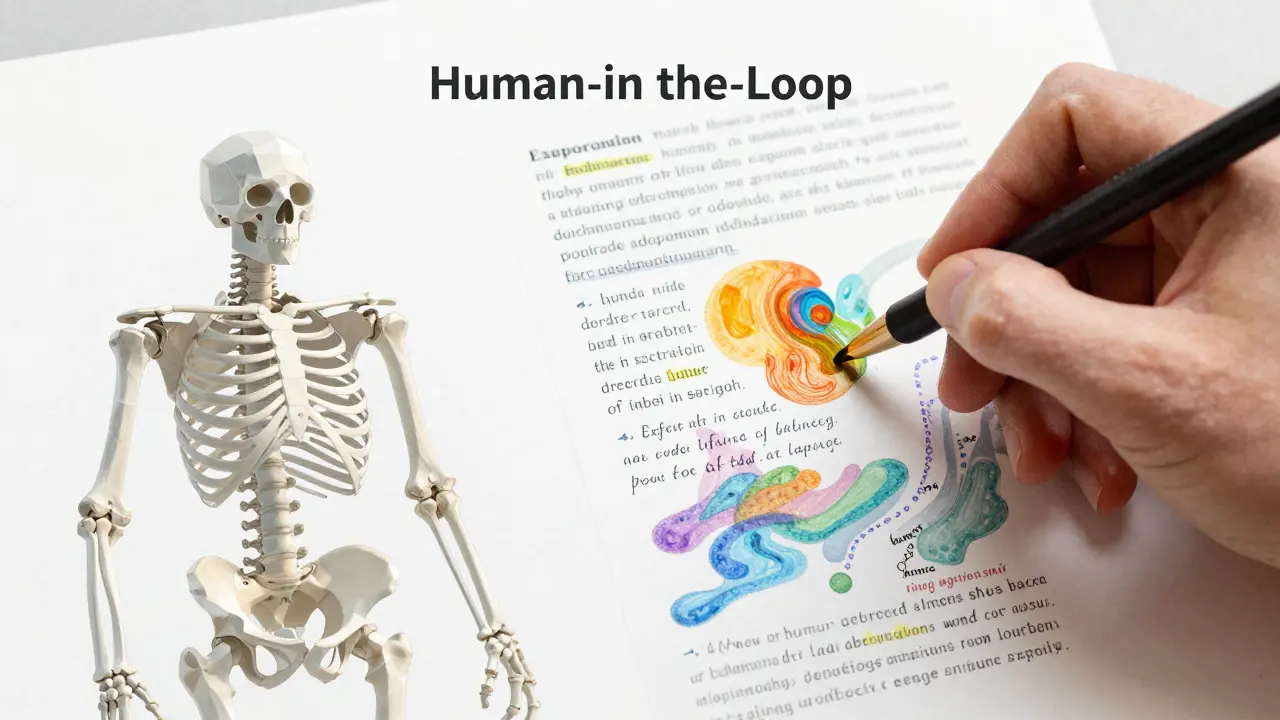
The biggest mistake marketers made in the early 2020s was thinking AI would replace writers. It didn't. Instead, it shifted the value from 'writing' to 'curation and strategy.' In 2026, the market is flooded with generic AI text, which means the only way to stand out is by adding a heavy layer of human experience and unique data. We call this the "Human-in-the-Loop" model.
When you use Generative AI, the goal isn't to let the machine do the thinking. You use it to build the skeleton, then you add the muscle-real-world case studies, controversial opinions, and proprietary research. For example, instead of asking ChatGPT to "write a guide on skincare," a pro marketer provides a dataset of 500 customer pain points and asks the AI to identify the three most common misconceptions. That's how you create content that actually converts.
The impact on Content Marketing is most visible in the shift toward "micro-content." Because AI can repurpose a single long-form whitepaper into 50 different LinkedIn posts, Twitter threads, and TikTok scripts in seconds, the barrier to entry for omni-channel presence has vanished. The challenge now isn't distribution; it's maintaining a consistent brand voice across a dozen platforms.
The Death of the Static Lead Form
Who actually likes filling out a 10-field contact form? Nobody. We've seen a massive pivot toward Conversational Marketing. By integrating ChatGPT-like capabilities into website interfaces, brands are now using "AI Concierges."
Think about a high-end travel agency. Instead of a "Request a Quote" button, the user enters a chat where the AI asks about their budget, preferred climate, and past favorite trips. The AI doesn't just collect data; it provides value immediately by suggesting three destinations. By the time the user hits "submit," they aren't just a lead-they're a warm prospect who has already received a personalized consultation. This shift has increased conversion rates for some B2B firms by as much as 40% because it reduces the friction between curiosity and commitment.
| Feature | Traditional Approach | AI-Enhanced Approach |
|---|---|---|
| Customer Segmentation | Broad buckets (Age, Location) | Dynamic personas based on behavior |
| Content Production | Manual drafting (Days/Weeks) | AI-drafted, Human-refined (Hours) |
| A/B Testing | Testing two versions manually | AI generates and tests 100+ variations |
| Customer Support | Ticket-based / Email | Instant, context-aware AI agents |
SEO in the Age of Answer Engines
We have to talk about the elephant in the room: Search Engine Optimization is changing. We are moving away from a world of "blue links" and toward a world of "answer engines." When people use AI to find information, they aren't clicking through ten different websites; they are getting a synthesized answer.
Does this mean SEO is dead? Not at all. It just means the goal has shifted from "keyword stuffing" to "entity authority." Google and other search engines now prioritize content that demonstrates digital marketing expertise through unique insights that an AI couldn't possibly invent. This is why "Zero-Click Searches" are rising. To survive, brands must optimize for the "AI Summary." This means using clear headings, structured data, and providing direct, punchy answers to complex questions so the AI chooses *your* brand as the primary source for its summary.
A great rule of thumb for 2026: if your content can be completely replaced by a prompt, it will be. Focus on "Information Gain"-adding new facts or perspectives to the conversation that don't already exist in the LLM's training data.
The Automation Paradox: Staying Human
As Marketing Automation becomes the norm, there is a growing premium on "humanity." We are seeing a trend where raw, unpolished, and authentic content-like behind-the-scenes videos or raw founder stories-performs better than perfectly polished AI-generated campaigns. This is the paradox: the more AI we use to scale, the more we crave the things AI cannot do.
Smart marketers use ChatGPT to handle the boring stuff-scheduling, data analysis, and initial drafting-which frees them up to do the high-level creative work. They spend more time on empathy mapping and psychology and less time on formatting spreadsheets. If you use AI to remove the human element from your brand, you're essentially training your customers to ignore you.

Practical Implementation: Your AI Marketing Stack
If you're looking to integrate these tools without breaking your budget, don't just buy every new plugin. Build a stack based on your specific bottlenecks. Most successful agencies in 2026 use a three-tier system:
- The Intelligence Layer: Tools like ChatGPT for research, brainstorming, and persona development.
- The Production Layer: AI design tools and writing assistants for rapid prototyping of visuals and copy.
- The Distribution Layer: Automation platforms that use AI to determine the best time to post and which audience segment will respond best to a specific angle.
Avoid the "set it and forget it" trap. AI can hallucinate, and in marketing, a hallucination can lead to a PR nightmare. Always have a human editor verify claims, check for brand alignment, and ensure the emotional tone hits the right note. A tool is only as good as the person steering it.
Will ChatGPT replace digital marketing managers?
No, but managers who use AI will replace those who don't. The role is shifting from "execution" (writing the ad) to "orchestration" (directing the AI and analyzing the results). The core skills of strategy, empathy, and creative direction remain human-centric.
How do I prevent AI content from hurting my SEO?
Focus on "Information Gain." Avoid publishing raw AI output. Instead, use AI to structure your thoughts and then add original data, interviews, and personal experiences. Search engines reward content that provides unique value beyond what is already available in the training set.
Is it ethical to use AI for customer interactions?
Yes, provided there is transparency. Most users appreciate the speed of an AI agent for simple queries. The key is providing a seamless hand-off to a human agent when the conversation becomes emotionally complex or requires high-level decision-making.
What is the best way to maintain brand voice with AI?
Create a comprehensive "Brand Voice Guide" and feed it into the AI as a system prompt. Include examples of "what we say" vs "what we never say." Regularly audit AI outputs and refine the prompts based on the deviations you find.
Which industries benefit most from AI marketing?
E-commerce, SaaS, and professional services see the biggest gains. These industries deal with high volumes of repetitive queries and a need for deep personalization, making them perfect candidates for conversational AI and automated content scaling.
Next Steps for Your Business
If you're feeling overwhelmed, start small. Don't try to automate your entire funnel overnight. Pick one friction point-maybe it's your slow response time to leads or your stagnant blog-and apply an AI solution there first. Once you see a lift in your KPIs, move to the next piece of the puzzle. The goal is to create a system where technology handles the volume and humans handle the value.