
ChatGPT: How AI Is Rewriting the Rules of Advertising
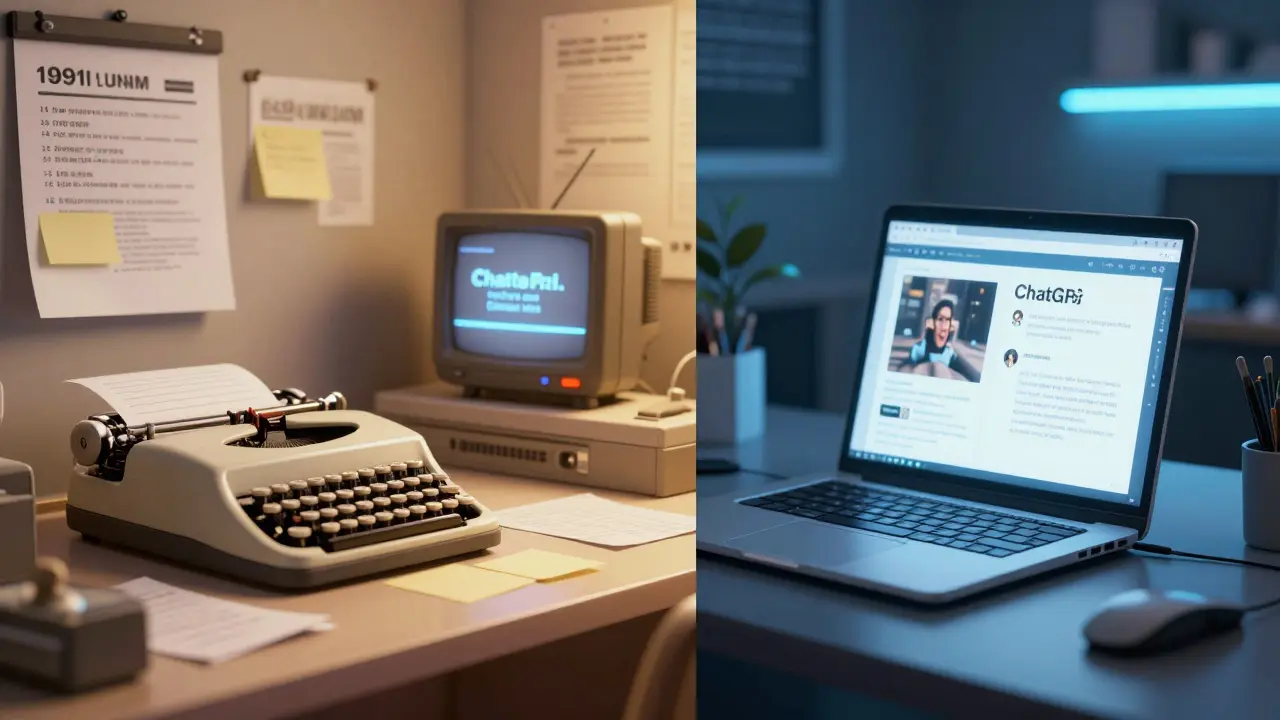
Remember when ads were just billboards, TV spots, and printed flyers? Now, every time you scroll, click, or search, you’re being targeted by something smarter than ever. And the biggest shift isn’t just in the medium-it’s in the mind behind the message. ChatGPT isn’t just a chatbot. It’s becoming the invisible copywriter, media buyer, and campaign strategist behind millions of ads you see every day.
Ads That Sound Like They Were Written by a Human (Because They Were)
Before ChatGPT, writing ad copy meant hours of brainstorming, A/B testing headlines, and endless revisions. Even the best agencies struggled to scale personalized messaging across hundreds of products or regions. Now, marketers type a single prompt: "Write 10 Facebook ad variations for a budget skincare line targeting women 25-35 in Australia, using casual, empathetic tone with emojis." And in seconds, ChatGPT delivers options that feel human-because they are.
It’s not magic. It’s pattern recognition. ChatGPT has read millions of successful ads, customer reviews, social media posts, and brand voices. It learns what works: when to use humor, when to be serious, when to drop the jargon. A Melbourne-based beauty brand tested 50 ad variations using ChatGPT. One version-written by AI-outperformed their best human-written ad by 47% in click-through rate. Why? It used phrases real customers actually say: "My skin stopped freaking out after 3 days. No more red patches. Worth every cent."
From Spray-and-Pray to Laser-Focused Targeting
Old-school advertising sprayed the same message to everyone. Now, AI doesn’t just write ads-it builds audiences. ChatGPT can analyze customer data-purchase history, browsing behavior, even tone of voice in reviews-and create micro-segments no human could manage at scale.
Imagine a local gym in Sydney. Instead of running one ad for "Get Fit in 30 Days!", ChatGPT generates 12 variations:
- For new moms: "No time for the gym? 15-minute home workouts that actually fit your schedule."
- For retirees: "Stay strong enough to play with your grandkids. No heavy lifting needed."
- For busy professionals: "Your 6 a.m. workout doesn’t have to suck. We’ll make it quick, effective, and stress-free."
Each version is tailored to emotional triggers, language patterns, and lifestyle cues. And because ChatGPT can process data in real time, these ads update automatically when new customer info comes in. No more waiting for a marketing team to approve changes. The system adapts while you sleep.
ChatGPT Is Your 24/7 Ad Tester
Testing ads used to cost thousands. You’d run a campaign for two weeks, wait for analytics, then tweak. Now, ChatGPT simulates thousands of ad variations in minutes. It doesn’t just suggest ideas-it predicts performance.
One e-commerce brand selling eco-friendly laundry detergent used ChatGPT to generate 200 headline and description combos. It then fed them into a simple scoring model based on past campaign data: emotional tone, word length, use of urgency, mention of certifications. Within an hour, ChatGPT ranked them by predicted conversion rate. The top three were tested live. One of them-"Detergent that cleans your clothes and the planet. No greenwashing. Just results."-converted 32% better than their previous top performer.
That’s not luck. That’s data-driven creativity.

Personalization at Scale: The Death of the Generic Ad
People don’t respond to ads that feel like they were made for someone else. They respond to ads that feel made for them. ChatGPT makes that possible-even for small businesses.
Take a small bookstore in Melbourne. Before AI, they sent the same email blast to 5,000 subscribers: "New arrivals this week!" Now, ChatGPT scans each customer’s past purchases and writes individualized subject lines:
- For a sci-fi fan: "You loved "Project Hail Mary"-here’s the next book that’ll keep you up all night."
- For a poetry lover: "New collection from the poet who made you cry in 2023."
- For a parent: "The book your 8-year-old asked for… and the one you’ll sneak-read."
Open rates jumped from 18% to 41%. Sales from email campaigns increased by 63% in three months. This isn’t just better targeting. It’s better connection.
The Hidden Cost: Over-Reliance and Brand Voice Drift
ChatGPT isn’t flawless. And using it blindly can backfire.
One Australian bank used ChatGPT to rewrite all their loan ad scripts. The AI, trained on generic financial jargon, started using phrases like "Unlock your financial potential!" and "Seize this once-in-a-lifetime opportunity!" Customers found it insincere. The campaign was pulled after complaints about "robotic tone."
AI doesn’t understand nuance. It doesn’t know your brand’s soul. It doesn’t feel the weight of your values. That’s why every AI-generated ad needs a human filter. Ask: Does this sound like us? Would our real customers believe this? Is this too salesy? Too cold? Too cheesy?
Think of ChatGPT as your most creative intern-brilliant, fast, and eager to please. But you still have to check their work.

What’s Next? Ads That Talk Back
The next wave isn’t just AI writing ads. It’s AI talking to customers-in real time.
Imagine clicking on a Facebook ad for a new running shoe. Instead of landing on a static product page, you’re greeted by a chat window: "Hey, I see you’re looking at the TrailRunner Pro. What’s your main goal? Long-distance comfort? Speed? Trail grip?" You answer. The AI adjusts recommendations on the fly. It suggests sizing, compares models, even shares a testimonial from someone with your foot type.
This isn’t sci-fi. It’s already being tested by Nike and Adidas in beta. ChatGPT powers the backend. It’s not replacing salespeople. It’s making every customer feel like they’re getting a personal shopper.
And here’s the kicker: customers spend 3x longer with these interactive ads. And they’re 50% more likely to buy.
How to Start Using ChatGPT in Your Ads-Today
You don’t need a big budget or a tech team. Here’s how to begin:
- Start small. Pick one ad channel-email, Facebook, or Google Ads-and replace one campaign with an AI-generated version.
- Give clear prompts. Don’t say "Write an ad." Say "Write a 50-word Instagram caption for a vegan protein bar targeting fitness moms in Melbourne. Use warm, encouraging tone. Include one emoji. Mention no artificial sweeteners."
- Test and compare. Run the AI version alongside your old one. Track clicks, conversions, comments.
- Human-check every output. Does it sound like your brand? Would you say this out loud?
- Scale what works. Once you find a winning formula, use ChatGPT to generate 10 variations of it.
Don’t wait for perfection. Just start.
ChatGPT Won’t Replace Marketers. It Will Make Them Irreplaceable.
The fear is real: "Will AI take my job?" The answer is no-but only if you learn to work with it.
AI handles the grunt work: writing 100 versions of a headline, segmenting audiences, testing copy. That frees you to do what machines can’t: understand emotion, build trust, make ethical calls, and tell stories that matter.
The best advertisers in 2025 aren’t the ones who write the most ads. They’re the ones who ask the best questions. Who understands their customers’ fears. Who knows when to turn off the AI and let a real human voice speak.
ChatGPT didn’t invent advertising. It just gave it a brain. And now, the real work begins.
Can ChatGPT replace human copywriters in advertising?
No-not fully. ChatGPT can generate thousands of ad variations fast, but it doesn’t understand brand soul, cultural nuance, or emotional depth the way a human does. The best results come from collaboration: AI handles volume and testing, humans handle tone, ethics, and strategy. Think of it as a powerful assistant, not a replacement.
Is using ChatGPT for ads ethical?
It depends on how you use it. Using AI to personalize ads based on customer data is ethical if you’re transparent and protect privacy. But using it to manipulate emotions, spread misleading claims, or impersonate real people isn’t. Always review AI output for accuracy and honesty. If an ad feels deceptive to you, it’s probably deceptive to customers too.
Do I need technical skills to use ChatGPT for advertising?
No. You don’t need to code or know APIs. If you can type a clear request-like "Write 5 Facebook ads for a yoga studio targeting busy professionals in Melbourne"-you can start using ChatGPT today. The hard part isn’t the tool. It’s learning how to ask the right questions.
What’s the biggest mistake businesses make with ChatGPT in ads?
The biggest mistake is assuming the AI’s first output is good enough. ChatGPT often sounds generic, overly enthusiastic, or too formal. It doesn’t know your brand voice unless you train it. Always edit, test, and refine. Treat every AI-generated ad like a rough draft-not a final product.
Can ChatGPT help with ad targeting and audience segmentation?
Yes, and it’s one of its most powerful uses. You can feed ChatGPT customer data-like age, location, purchase history, or even survey responses-and ask it to create audience segments with tailored messaging. For example: "Generate 3 audience segments for my pet food brand based on these customer behaviors: buys premium food, searches for grain-free options, follows vegan Instagram accounts." It’ll give you clear groups and ad angles for each.
How do I prevent ChatGPT from sounding too robotic in my ads?
Give it examples. Paste 3-5 of your best-performing ads into the prompt and say: "Write 5 new versions in this exact tone and style." Also, add constraints: "Use contractions. Keep sentences under 12 words. Include one slang word that locals use." The more specific you are, the more human it sounds.
What metrics should I track when testing AI-generated ads?
Focus on the same metrics you’ve always tracked: click-through rate (CTR), conversion rate, cost per acquisition (CPA), and engagement (likes, comments, shares). But also track sentiment-read the comments. Are people saying "This feels real" or "This sounds like a bot"? Real human feedback is the best indicator of whether your AI ads are working.
ChatGPT didn’t change advertising. It exposed how broken the old system was. The future belongs to those who use AI not to cut corners, but to connect deeper.