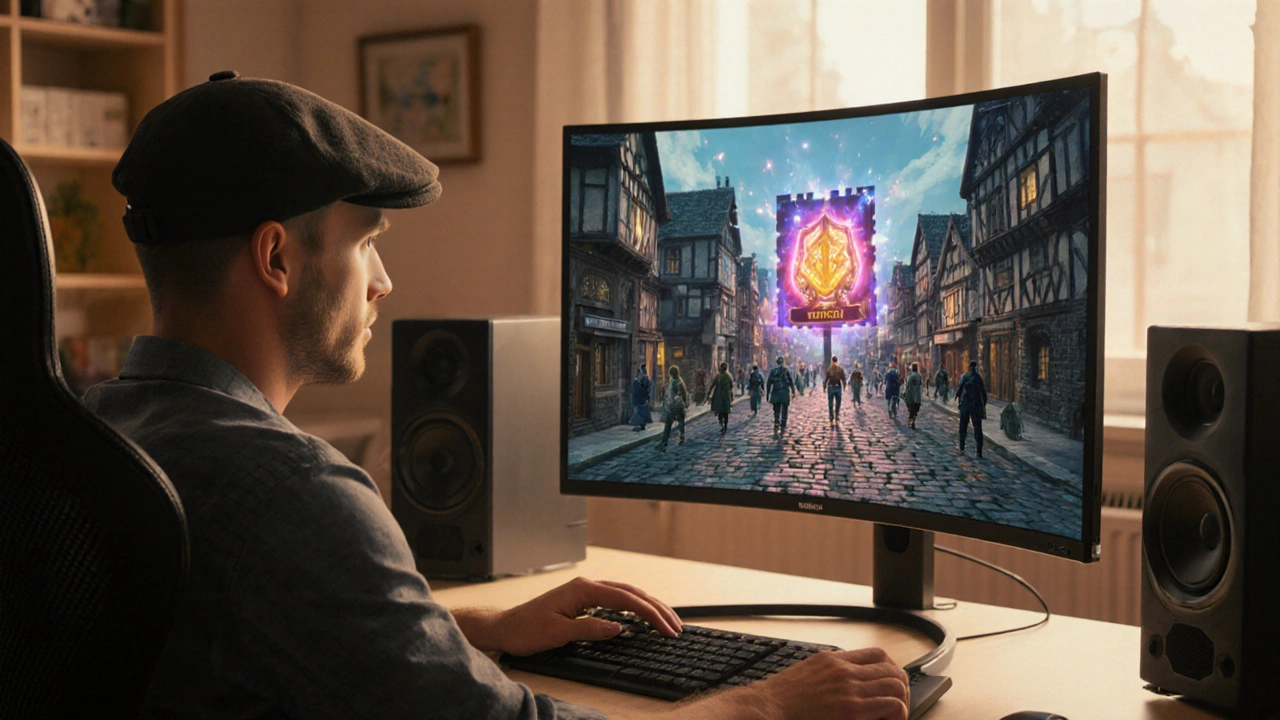
The Remarkable Rise of In-Game Ads in Mobile Gaming: Formats, Revenue & Best Practices
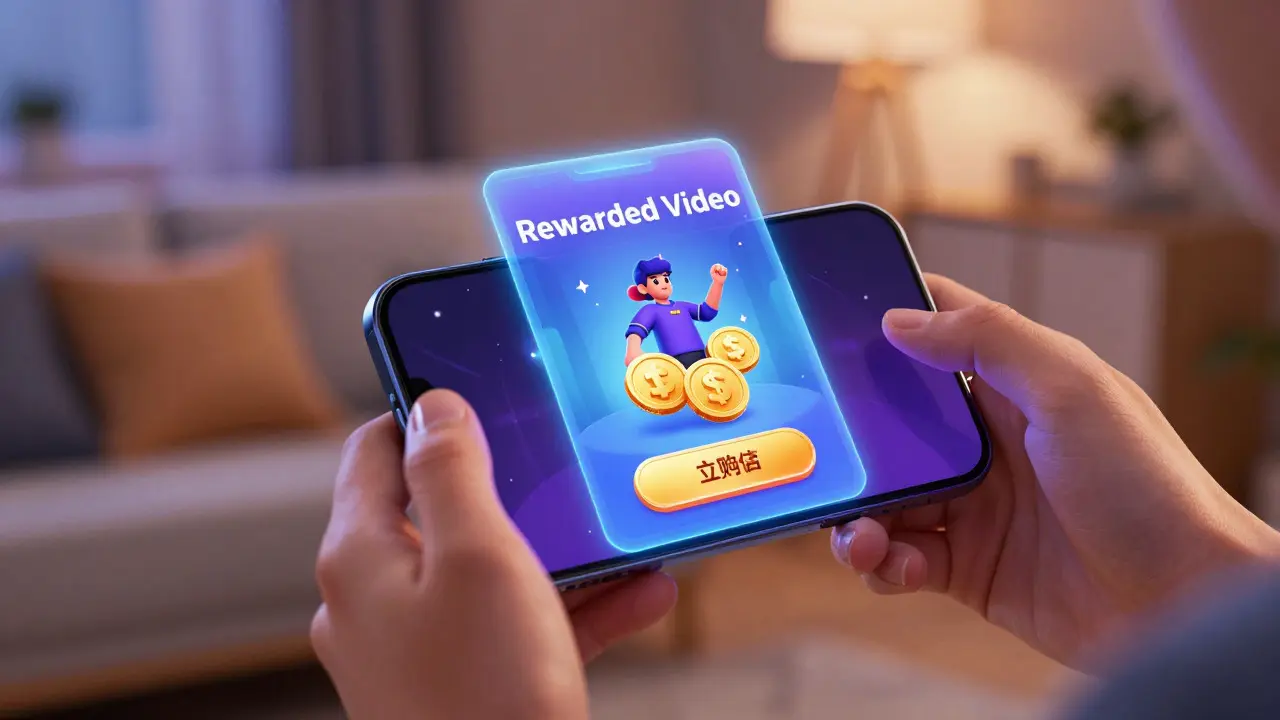
Mobile gaming isn't just about high scores anymore. It’s a massive advertising ecosystem that has quietly become one of the most effective ways for brands to reach consumers. You’ve probably seen it yourself: a quick video plays before you start a level, or a character in your favorite game is wearing a branded shirt. This shift from intrusive pop-ups to integrated experiences is what we call the rise of in-game ads.
In 2026, this sector is booming. Advertisers are moving budgets away from traditional TV and even some social media channels because mobile gamers spend hours engaged with their screens. The key difference? Gamers often *choose* to watch these ads to get rewards, making them active participants rather than passive victims of interruption.
Key Takeaways
- In-game ads have evolved from disruptive banners to rewarded videos and native integrations that feel part of the gameplay.
- Rewarded video ads generate the highest revenue per user (RPU) because players voluntarily watch them for in-game currency or lives.
- Playable ads allow users to try a mini-version of a game before downloading, significantly reducing install costs.
- Privacy regulations like GDPR and iOS privacy changes require developers to use server-to-server tracking and first-party data strategies.
- The future lies in non-intrusive, contextual placements where brand messages blend seamlessly with the game environment.
How In-Game Advertising Evolved
To understand why in-game ads are so powerful now, you have to look back at how annoying they used to be. Early mobile games were plagued by full-screen interstitials that popped up right when you died or paused. Players hated them. They felt punished for playing.
Then came the pivot to Rewarded Video Ads. These changed the dynamic completely. Instead of forcing an ad on you, the game offers a deal: "Watch this 30-second clip, and we’ll give you double coins." Suddenly, the ad was valuable. It solved a problem for the player. This voluntary engagement skyrocketed completion rates. Brands noticed that people actually watched the whole thing instead of swiping away after three seconds.
This evolution didn’t happen overnight. It required better ad networks, smarter mediation platforms, and a deeper understanding of user psychology. Today, the line between content and advertisement is blurrier than ever, but in a good way. The goal is no longer to interrupt; it’s to integrate.
Types of In-Game Ads That Actually Work
Not all ads are created equal. If you’re a developer looking to monetize, or a marketer trying to buy space, knowing the formats is crucial. Here are the main types driving revenue in 2026:
- Rewarded Videos: The gold standard. Players opt-in to view a video in exchange for virtual goods. Completion rates often exceed 90%.
- Playable Ads: Interactive units where users play a mini-version of another game. These are huge for user acquisition (UA). If you enjoy the demo, you download the full app. Conversion rates can be 2-3x higher than static images.
- Banner Ads: Small strips at the top or bottom of the screen. They’re low-revenue but always visible. Modern banners are less obtrusive and often include interactive elements like carousels.
- Interstitials: Full-screen ads shown at natural breaks in gameplay, like between levels. They must be timed perfectly to avoid frustration.
- Native Integrations: Brand logos on billboards within the game world, or characters using branded products. These feel organic and don’t break immersion.
Each format serves a different purpose. Rewarded videos drive retention and revenue. Playables drive new installs. Native integrations build brand awareness without annoying anyone.

Why Brands Are Betting Big on Mobile Games
You might wonder why companies like Nike, Coca-Cola, or Samsung are spending millions on mobile game ads. The answer is attention. Mobile gamers spend an average of 4-5 hours a day on their devices. That’s prime real estate.
Unlike social media feeds where users scroll past content quickly, games demand focus. When a player chooses to watch a rewarded ad, they are fully engaged. This leads to better recall. Studies show that viewers remember branded messages in rewarded videos significantly better than those in pre-roll YouTube ads.
Another factor is targeting. Ad networks use sophisticated algorithms to match ads with relevant audiences. If you’re playing a fitness game, you’re more likely to see ads for sports drinks or gym wear. This relevance makes the ads feel helpful rather than random.
Also, mobile gaming reaches demographics that are hard to catch elsewhere. Gen Z and Alpha spend massive amounts of time in apps like Roblox, Fortnite, and various hypercasual titles. For brands wanting to stay culturally relevant, being inside these games is essential.
The Role of Mediation Platforms
If you think developers manually negotiate deals with every advertiser, you’d be wrong. Enter Ad Mediation. Mediation platforms act as middlemen. They connect game developers with multiple ad networks simultaneously.
Think of it like a stock exchange for ads. When a player triggers an ad event, the mediation platform asks all connected networks: "Who will pay the most for this impression right now?" The highest bidder wins. This auction model ensures developers maximize their revenue while advertisers get competitive pricing.
Popular mediation platforms include AppLovin MAX, ironSource, and Unity LevelPlay. These tools also provide analytics, helping developers optimize which ad formats work best for specific user segments. Without mediation, managing dozens of ad network SDKs would be a logistical nightmare.

Challenges: Privacy, Fraud, and User Experience
It’s not all smooth sailing. The industry faces significant hurdles. First, privacy. With iOS introducing App Tracking Transparency (ATT) and global regulations like GDPR, tracking users across apps has become much harder. Developers can no longer rely solely on IDFA (Identifier for Advertisers) to measure campaign performance.
This has pushed the industry toward SKAdNetwork and other privacy-safe attribution methods. It’s less precise, but necessary. Developers are shifting to first-party data collection-gathering info directly from players who consent-to improve targeting.
Second, ad fraud. Bots clicking on ads to drain budgets is a persistent issue. Ad verification partners like Integral Ad Science (IAS) and DoubleVerify help ensure that impressions come from real humans. Brands are demanding higher transparency, so publishers must prove their traffic quality.
Finally, user experience. Too many ads kill a game. If every two minutes you’re forced to watch a video, players will uninstall. Finding the sweet spot between monetization and enjoyment is an art. Successful games balance ad frequency with generous free rewards, keeping players happy and coming back.
| Format | User Engagement | Revenue Potential | Best Use Case |
|---|---|---|---|
| Rewarded Video | High (Voluntary) | Very High | Monetizing existing players |
| Playable Ads | Medium-High | High (for UA) | Acquiring new users |
| Interstitials | Low-Medium | Medium | Fill during natural breaks |
| Banners | Low | Low | Background inventory fill |
| Native Integration | Passive | Variable | Brand awareness campaigns |
Future Trends: What’s Next for In-Game Ads?
The landscape is changing fast. One major trend is the rise of cloud gaming and cross-platform play. As games move beyond just phones to PCs and consoles, ad strategies must adapt. Seamless transitions mean ads need to be consistent across devices.
Another area is augmented reality (AR). Imagine walking down the street, playing an AR game, and seeing a virtual billboard for a local coffee shop. This blends physical and digital worlds, offering hyper-local targeting opportunities. While still emerging, AR ads could redefine location-based marketing.
We’re also seeing more personalization. AI-driven creative optimization allows advertisers to test thousands of ad variations in real-time. The system learns which colors, sounds, and messages resonate with specific player segments, automatically scaling what works. This means fewer generic ads and more tailored experiences.
Finally, there’s a push for sustainability. Some games are partnering with eco-friendly brands, showing ads that promote green initiatives. This aligns with consumer values, especially among younger generations who care about corporate responsibility.
Best Practices for Developers and Advertisers
If you’re building a game, start with user experience. Don’t bombard players immediately. Introduce rewarded ads gently, explaining the benefit clearly. Offer alternatives so players never feel trapped.
For advertisers, creativity is key. Static images don’t cut it anymore. Invest in high-quality video production and interactive playables. Make your ad entertaining. If your ad feels like a mini-game itself, players will engage willingly.
Both sides should prioritize data transparency. Understand where your money goes and where your revenue comes from. Use reliable mediation platforms and verification tools to maintain trust.
Lastly, keep testing. A/B test ad placements, frequencies, and creatives. What works for a puzzle game might fail in an action shooter. Context matters immensely.
What are in-game ads exactly?
In-game ads are advertisements displayed within mobile or PC games. They range from simple banner images to complex interactive videos and native integrations where brands appear as part of the game environment. Unlike traditional web ads, many in-game ads are opted-in by players for rewards.
Do in-game ads hurt user experience?
They can if poorly implemented. Intrusive interstitials that pop up randomly frustrate players. However, rewarded videos and native integrations generally enhance experience by providing value (rewards) or blending seamlessly into the game world. Balance is critical.
How do developers earn money from in-game ads?
Developers earn through Cost Per Mille (CPM), paying per thousand impressions, or Cost Per Action (CPA), paying when a user completes a specific action like installing an app. Rewarded videos typically command higher CPMs due to high engagement rates.
Are playable ads worth the investment?
Yes, especially for user acquisition. Playable ads let potential users try a game before downloading, leading to higher conversion rates and better retention. Users who install via playables tend to stick around longer than those from static ads.
How does privacy affect in-game advertising?
Privacy laws limit how much data advertisers can track. iOS restrictions made IDFA-based tracking difficult. Now, the industry relies more on contextual targeting, first-party data, and aggregated reporting models like SKAdNetwork to measure success without invading user privacy.
What is ad mediation in mobile gaming?
Ad mediation is a technology layer that connects game developers with multiple ad networks. It runs real-time auctions to find the highest-paying advertiser for each ad slot, maximizing revenue for the developer while simplifying integration.
Which industries use in-game ads the most?
Gaming companies themselves are the biggest buyers, promoting their own titles. Other major sectors include e-commerce, food and beverage, automotive, and entertainment. Brands targeting young demographics heavily invest in mobile game advertising.
Is native advertising growing in games?
Yes. As players become ad-fatigued, brands are seeking subtler approaches. Placing product logos on in-game objects or having characters use branded items creates brand affinity without disrupting gameplay, making it a preferred method for long-term partnerships.