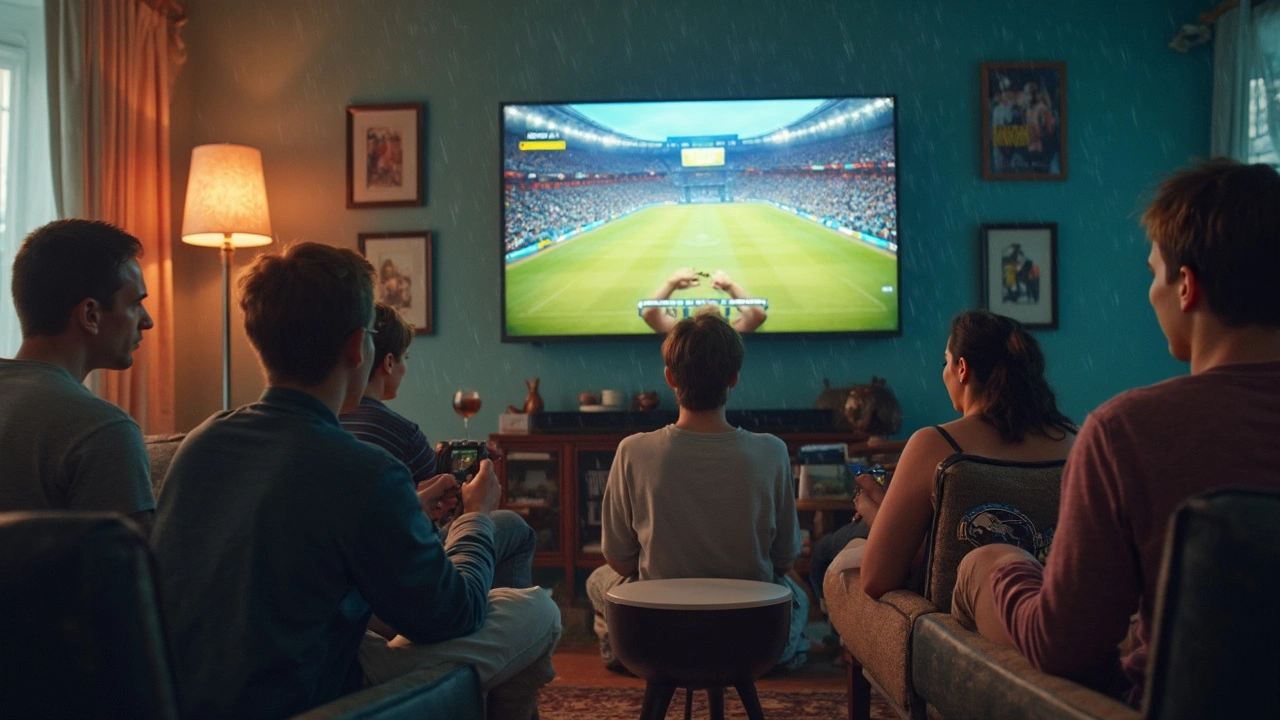
The Science of Effective In-Game Ads: How to Win Over Gamers

The secret to making these ads work isn't just about frequency or placement; it's about cognitive psychology and the flow state. When a player is "in the zone," their brain is processing information at a rapid pace. Any interruption that breaks this state triggers a negative emotional response. To be effective, advertising in gaming must move from being an interruption to becoming a part of the experience.
Key Takeaways for Gaming Advertisers
- Reward-Based Value: Gamers respond best when ads provide a tangible in-game benefit.
- Environmental Integration: Ads that exist within the game world (like billboards) avoid breaking immersion.
- Cognitive Load Management: Heavy ads during high-intensity gameplay lead to instant rejection.
- Interactivity: Playable ads convert better because they mimic the core loop of gaming.
The Psychology of the Flow State
To understand why some ads fail while others soar, we have to look at Flow, a concept introduced by psychologist Mihaly Csikszentmihalyi. Flow is that mental state where a person is fully immersed in an activity, losing track of time and external distractions. In gaming, this is often called "being in the zone."
When an ad disrupts a flow state, it creates "cognitive friction." The brain has to suddenly switch from a complex task (like navigating a 3D environment) to a passive task (watching a video). This shift is jarring. Effective ads avoid this by placing triggers at natural break points-like the end of a level or while waiting in a lobby-where the player's brain is already transitioning out of a high-focus state.
Types of In-Game Ad Formats and Their Efficacy
Not all ads are created equal. The delivery method determines whether a player perceives the ad as a gift or a nuisance. Let's break down the most common formats using the In-Game Advertising framework.
| Format | Immersion Level | Conversion Rate | Best Use Case |
|---|---|---|---|
| Rewarded Video | Medium | High | Unlocking premium currency/items |
| Native/Dynamic In-Game | High | Medium | Branded billboards in open worlds |
| Playable Ads | Medium | Very High | Testing a new game's mechanics |
| Interstitial Pop-ups | Low | Low | Simple hyper-casual games |
The Power of Rewarded Video Ads
Rewarded Video Ads are the gold standard for mobile gaming. Unlike forced ads, these are opt-in. The player agrees to watch a 30-second clip in exchange for a reward, such as an extra life or a rare skin. This changes the psychological contract from "the game is forcing me to watch this" to "I am choosing to trade my time for an advantage." This sense of agency eliminates the resentment usually associated with advertising.
Native and Dynamic Integration
Think about the billboards in Grand Theft Auto or the branded gear in Fortnite. This is native advertising. By placing a brand within the game's geometry, the ad becomes part of the scenery. Dynamic In-Game Ads take this a step further by using real-time data to change the billboards based on the player's location or demographics. Because the ad doesn't stop the gameplay, it doesn't break the flow state, allowing the brand to build subconscious familiarity over time.
Playable Ads: The "Try Before You Buy" Model
Playable ads are essentially mini-games that let the user experience a slice of a product. Instead of watching a trailer for a strategy game, the user actually plays a 15-second simplified version of the combat system. This leverages the Endowment Effect-a psychological phenomenon where people value things more if they feel a sense of ownership or have already invested effort into them. By the time the "Download Now" button appears, the player has already achieved a small victory, making them far more likely to convert.

Designing for the Gamer's Brain
To make an ad effective, you need to align it with the player's current goals. In game design, this is known as the "core loop." For example, if a player's goal is to collect resources to build a base, an ad offering a "Resource Pack" is highly relevant. An ad for a car insurance policy in that same moment is irrelevant and intrusive.
Consider the timing. Placing an ad immediately after a difficult boss fight-when the player is experiencing a dopamine rush from victory-is a prime window. Their mood is positive, and they are more open to external suggestions. Conversely, placing an ad right after a frustrating death is a recipe for disaster. The player is already tilted; an ad at that moment only amplifies their anger toward the game.
Avoiding the "Ad Fatigue" Trap
Ad fatigue happens when a player sees the same creative too many times, leading them to tune it out entirely-a process called banner blindness. In gaming, this happens even faster because the environment is so stimulating. To fight this, advertisers must use Dynamic Creative Optimization (DCO). This involves rotating different visual assets, colors, and calls-to-action based on the player's behavior.
If a player typically plays for 10 minutes a day, a high-frequency ad campaign will annoy them. If they are a "whale" who plays for 6 hours, they might ignore the same ad. Smart systems track the frequency cap per user to ensure that the brand remains a welcome guest rather than an unwanted intruder.
The Future: Metaverse and Immersive Advertising
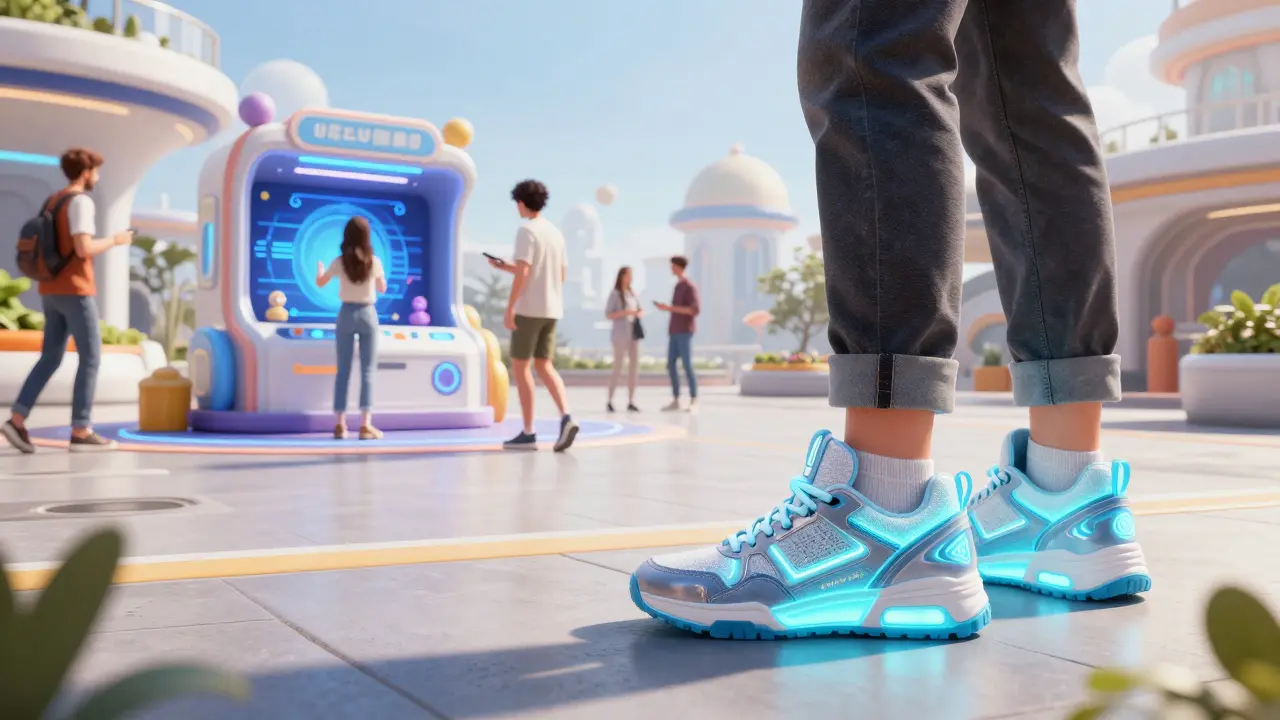
As we move toward more persistent virtual worlds, the line between the game and the ad will blur further. We are seeing the rise of Virtual Goods where brands don't just show an ad, they create a functional item. When Nike releases a digital sneaker for an avatar, they aren't running an ad; they are providing a utility that enhances the player's social status within the digital community.
This shift represents a move toward "experience-based marketing." The goal is no longer to get a click, but to create a positive memory associated with the brand. When a brand facilitates a fun moment in a game, the resulting positive association is far stronger than any traditional display ad could ever produce.
Do in-game ads actually lower player retention?
Only if they are intrusive. Forced interstitials and unskippable videos that break the flow state often lead to higher churn rates. However, rewarded ads can actually increase retention by giving players the resources they need to progress without hitting a hard paywall.
Which ad format has the highest conversion rate for mobile games?
Playable ads typically see the highest conversion rates because they allow users to experience the product's value proposition immediately. Rewarded videos are a close second for driving engagement and long-term user LTV (Lifetime Value).
What is the best way to implement ads without upsetting gamers?
The best approach is to make ads opt-in and rewarding. By giving the player control over when they see the ad and providing a clear benefit in return, you turn a potential annoyance into a value-add feature of the game.
How does "banner blindness" work in gaming?
Banner blindness occurs when users subconsciously ignore parts of a screen that look like ads. In games, this happens with static banners at the bottom of the UI. To overcome this, advertisers use interactive elements or integrate the ad into the game's 3D world.
Are dynamic in-game ads better than static ones?
Yes, because they can be tailored to the player's context. A dynamic ad can change based on the player's current level, the time of day, or their specific in-game achievements, making the message far more relevant and less intrusive.
Next Steps for Developers and Marketers
If you're a developer, start by mapping out your player's emotional journey. Identify the "peaks" (victories) and "valleys" (losses) and place your ad triggers accordingly. Never put a forced ad in the middle of a high-tension sequence.
For marketers, stop thinking about "impressions" and start thinking about "interactions." Instead of a 15-second video, ask yourself: "Can I turn this ad into a 15-second game?" The more you align your goals with the player's enjoyment, the more successful your campaign will be. Focus on building a relationship with the gamer, not just capturing their attention for a few seconds.