Maximizing ROI with In-Game Advertising: A Practical Guide for 2026
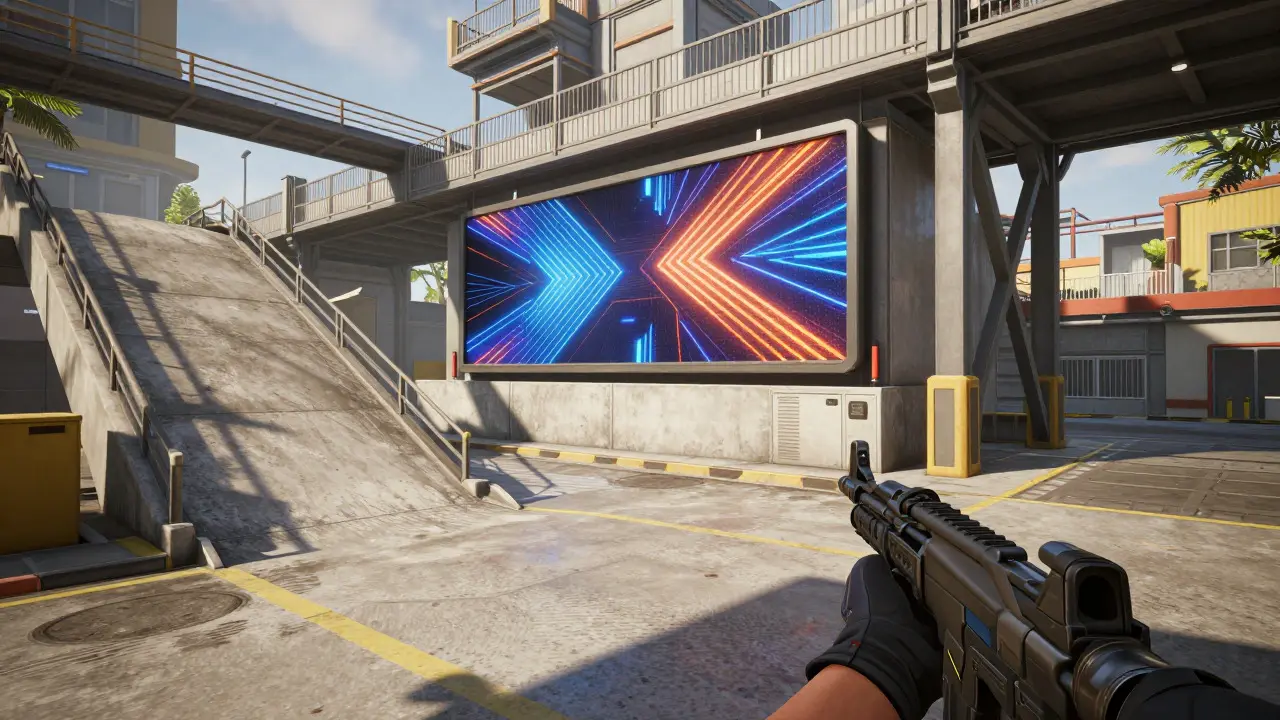
Imagine a player in Fortnite is building a base. Suddenly, a billboard for Nike appears on the side of a ramp. The player doesn't stop playing; they just glance at it. That quick glance is worth more than a traditional TV spot because the attention is passive but constant. This is the core of in-game advertising, which places brand messages directly within video game environments to reach audiences where they spend hours daily. For marketers in 2026, this isn't just a novelty; it's a primary channel for reaching Gen Z and Alpha demographics who ignore traditional media.
Why In-Game Ads Beat Traditional Media
The main advantage here is context. When you watch a TV commercial, you can change the channel. But when you are immersed in a virtual world, the ad becomes part of the scenery. This creates what experts call "ambient exposure." Unlike pop-up ads that annoy users, ambient ads blend into the environment. Think of a coffee shop logo on a wall in an open-world RPG or a car brand parked on a street in a racing simulator. The message is subtle, reducing ad fatigue while increasing recall over time.
Another critical factor is data precision. Traditional media buys broad audiences. In-game platforms allow you to target based on actual behavior. Are players spending time in the city center or the countryside? Do they play solo or in squads? These behavioral signals help you place ads where they make sense. If you sell luxury cars, you don't want them seen in a swamp; you want them on the highway. This level of granularity ensures your budget goes toward high-intent moments rather than random impressions.
Choosing the Right Game Platform
Not all games offer the same return on investment. You need to match the game's genre with your product type. Here is a quick breakdown of where specific brands tend to succeed:
| Game Genre | Ideal Brand Types | Reasoning |
|---|---|---|
| Racing Simulators | Automotive, Energy Drinks, Tech | High speed creates excitement; logos are visible during fast-paced action. |
| Open-World RPGs | Fashion, Food & Beverage, Travel | Longer play sessions mean repeated exposure to environmental billboards. |
| Sports Games (e.g., EA Sports) | Sportswear, Beverages, Insurance | Authenticity matters; fans expect real-world sponsorships to appear in-game. |
| Battle Royales | Consumer Electronics, Fast Fashion | Massive concurrent user bases provide immediate scale and social sharing potential. |
When selecting a platform, look beyond just download numbers. Check the average session length. A game with 10 million downloads but 5-minute sessions offers less value than one with 2 million downloads and 45-minute sessions. You are buying time, not just eyes.

Designing Ads That Don't Break Immersion
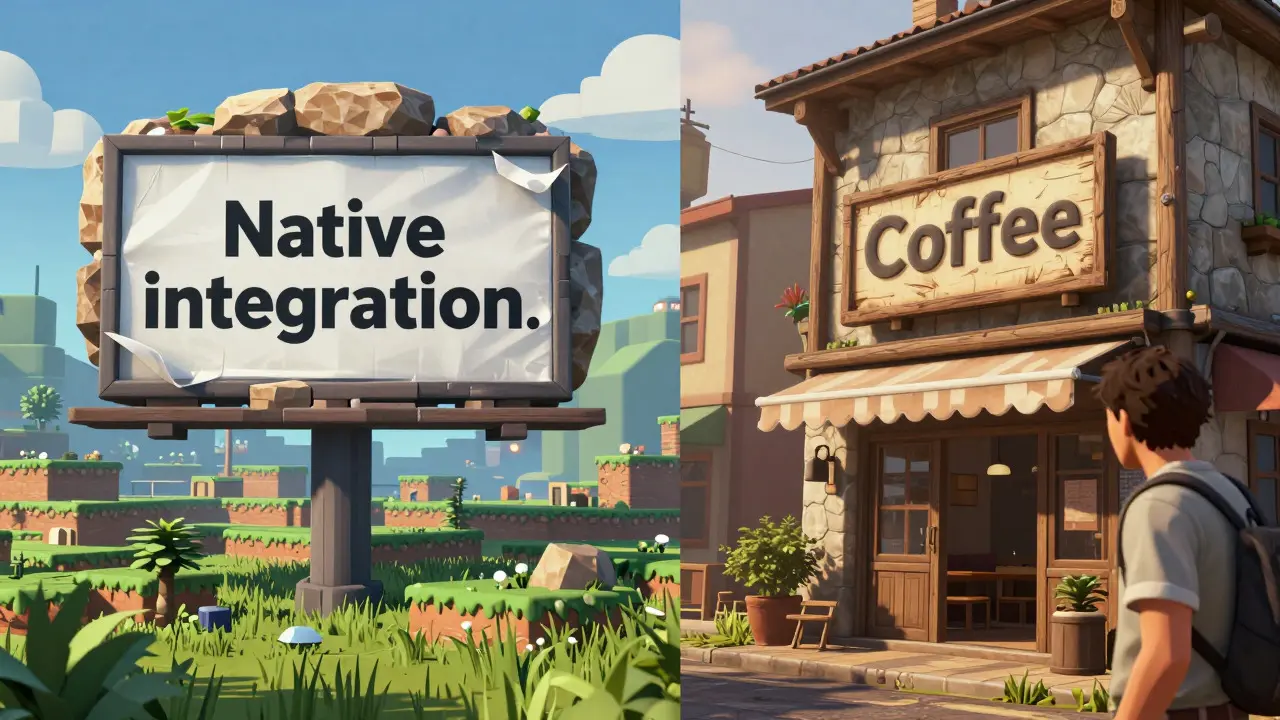
The biggest mistake brands make is forcing their logo too hard. If a billboard looks like a sticker pasted onto a rock, players notice the ad, not the brand. They get annoyed. To maximize ROI, your creative assets must respect the game's art style. If the game uses low-poly graphics, use low-poly textures for your ad. If it's photorealistic, use high-resolution renders. This technique, known as native integration, ensures the ad feels like it belongs there.
Interactivity is the next step up. Instead of a static image, consider dynamic elements. A car model that changes color based on the weather in the game, or a drink can that fogs up in summer modes. These small details create curiosity. Players start looking for these easter eggs, turning passive viewing into active engagement. This shifts the metric from simple impressions to meaningful interactions.
Measuring Success Beyond Impressions
Impressions are vanity metrics in the gaming world. Just because a player saw a billboard doesn't mean they remembered it. You need deeper KPIs to track true ROI. Focus on these three areas:
- Awareness Lift: Use pre- and post-campaign surveys within the game or via partner networks to measure brand recognition among gamers specifically.
- Dwell Time: How long does the player's camera stay near the ad? Longer dwell times indicate higher interest.
- Click-Through Rate (CTR) on Interactive Elements: If the ad allows a tap or click, track how many users engage versus those who ignore it.
Additionally, monitor social sentiment. Gamers talk about weird or cool things online. If your ad triggers discussions on Reddit or Twitter, that organic buzz has a measurable value. Track mentions using brand monitoring tools to capture this free secondary exposure.
Common Pitfalls to Avoid
Even with great data, campaigns fail if execution is sloppy. Here are the traps that kill ROI:
- Ignoring Mobile vs. PC Differences: On mobile screens, small text is unreadable. Keep designs bold and simple for handheld devices.
- Overloading the Environment: If every surface has an ad, none stand out. Choose premium spots sparingly.
- Static Campaigns: Rotate creatives every 4-6 weeks. Gamers memorize environments quickly; fresh visuals reset their attention.
- Poor Technical Integration: Ensure the ad loads without lag. A glitchy ad breaks immersion instantly and reflects poorly on the brand.
Also, be mindful of cultural context. A joke that works in the US might confuse players in Asia or Europe. Localize your creative assets if you are targeting global servers. One size rarely fits all in the gaming world.
Building a Long-Term Strategy
In-game advertising is not a one-off hack; it's a relationship builder. Top brands treat their virtual presence like their physical stores. They maintain consistent branding across multiple titles. If you are in the energy drink space, being present in both a racing game and a battle royale reinforces your identity as a high-energy companion to competitive play.
Start small. Test one title, one region, and one creative asset. Measure the results against your baseline awareness. Once you have proof of concept, scale horizontally by adding more games or vertically by deepening the integration in the first game. This phased approach protects your budget while allowing you to refine your messaging based on real player feedback.
Is in-game advertising effective for B2B companies?
Yes, surprisingly so. Many B2B decision-makers are also gamers. Placing ads in strategy games or simulation titles can reach professionals in a relaxed setting. The key is to keep the tone professional yet engaging, avoiding overly casual slang that might alienate corporate buyers.
How much does it cost to run an in-game ad campaign?
Costs vary widely. Small indie games may charge hundreds of dollars per month for a single slot. Major AAA titles like Fortnite or Call of Duty can charge tens of thousands for prime digital signage. However, the cost per thousand impressions (CPM) is often lower than premium TV spots when factoring in engagement duration.
Do I need my own development team to create these ads?
Not necessarily. Most major game publishers have dedicated advertising teams or partner with agencies that handle the technical integration. You provide the creative assets (logos, 3D models), and they handle the placement and coding. However, having a basic understanding of 3D modeling helps you brief your vendors better.
What is the best way to track conversions from in-game ads?
Direct conversion tracking is difficult since players rarely click an ad to buy immediately. Instead, use unique promo codes displayed in the game, or track website traffic spikes during the campaign period. Attribution models should account for the delayed purchase cycle common in gaming audiences.
Are micro-transactions a good form of in-game advertising?
They can be, but risky. Selling branded skins or items forces interaction, which boosts visibility. However, if the item is too expensive or ugly, it can backfire. It works best when the item adds genuine value or status within the game community, such as exclusive emotes or rare vehicle liveries.