
How to Use ChatGPT for Facebook Conversations: A Practical Guide

Imagine this: It’s 10 PM on a Tuesday. Your phone buzzes with a message from a potential client on Facebook Messenger, a messaging platform owned by Meta that allows users to communicate via text, voice, and video calls.. You’re exhausted. The last thing you want to do is craft the perfect response. But if you wait until morning, you might lose their interest. This is where ChatGPT is an advanced artificial intelligence language model developed by OpenAI that generates human-like text responses based on user prompts. steps in. It doesn’t just write emails; it can handle real-time social interactions with nuance and speed.
We are past the point of asking *if* we should use AI for social media. The question now is *how* to do it without sounding like a robot. In 2026, authenticity is currency. People spot generic AI fluff from a mile away. The goal isn’t to replace your personality; it’s to amplify it. Let’s look at how you can actually make this work in your daily routine.
The Core Problem: Response Fatigue
Social media managers and business owners face a specific type of burnout known as "response fatigue." You spend hours drafting replies to comments, DMs, and group chats. Each interaction requires context switching. One minute you’re answering a technical question about your product; the next, you’re comforting a frustrated customer. By the end of the day, your mental bandwidth is depleted.
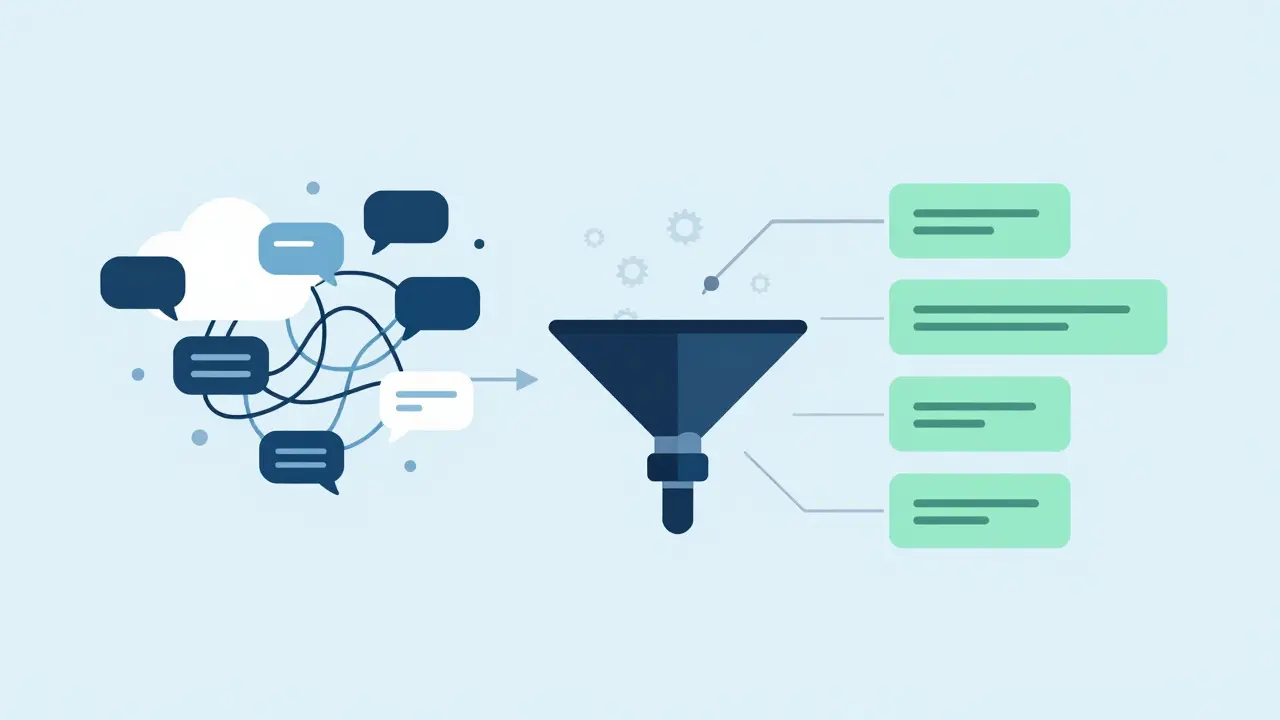
ChatGPT solves this by acting as a first-draft engine. It handles the heavy lifting of structuring sentences, checking tone, and suggesting variations. You provide the intent; it provides the words. This reduces cognitive load significantly. Instead of staring at a blank screen, you review and refine. This shift turns reactive messaging into proactive communication management.
Setting Up Your Workflow
You don’t need complex integrations to start. The most effective method is simple copy-pasting combined with smart prompting. Here is a practical workflow that works for most users:
- Capture the Context: Copy the incoming message or comment. Include any relevant previous exchanges if the conversation has history.
- Define the Goal: Tell ChatGPT what you want to achieve. Do you want to be empathetic? Persuasive? Brief? Humorous?
- Generate Options: Ask for three different versions of the response. This gives you variety and prevents repetitive phrasing.
- Humanize the Output: Read through the suggestions. Add personal touches, inside jokes, or specific details only you would know.
- Send: Post the refined response.
This process takes less than two minutes per interaction. Over time, you’ll develop a library of prompt templates for common scenarios, making it even faster.
Tone Matching: The Key to Authenticity
The biggest risk of using AI is tone mismatch. If your brand voice is casual and witty, but ChatGPT outputs formal corporate speak, your audience will notice. To fix this, you must explicitly define your persona in your prompts.
Instead of saying "Reply to this customer complaint," try this:
"Act as a friendly, empathetic customer support agent for a small boutique coffee shop. Respond to this angry customer who received a cold latte. Keep it under 50 words. Apologize sincerely and offer a refund. Avoid robotic phrases like 'I understand your frustration.'"
This level of specificity forces the AI to align with your brand identity. You can also feed it examples of your past successful messages. Say, "Here are three examples of how I usually reply. Match this style for the new response." This technique, known as few-shot prompting, dramatically improves accuracy.
Practical Scenarios and Prompt Templates
Let’s break down specific situations where ChatGPT shines. These are not hypotheticals; these are daily occurrences for anyone managing a public-facing presence on Facebook.
| Scenario | Goal | Sample Prompt Structure |
|---|---|---|
| Handling Negative Comments | De-escalate and retain trust | "Draft a polite, non-defensive response to a user criticizing our shipping times. Acknowledge the delay, explain briefly without excuses, and offer a discount code for future orders." |
| Engaging with Prospects | Convert interest into action | "Write a warm follow-up message to someone who liked our post about yoga classes. Ask them about their experience level and invite them to a free trial session. Keep it conversational." |
| Answering FAQs | Provide clear information quickly | "Summarize our return policy in three bullet points. Use simple language suitable for a general audience. End with a call-to-action to contact support if they have more questions." |
| Community Building | Foster connection | "Create five engaging questions to ask our community about their weekend plans. Make them fun and open-ended to encourage long replies." |
Avoiding the "AI Voice" Trap
Even with good prompts, AI can slip into predictable patterns. Words like "delve," "tapestry," "crucial," and "landscape" are red flags. They signal machine-generated content. To keep your conversations human, apply these editing rules:
- Shorten Sentences: AI tends to write long, compound sentences. Break them up. Shorter sentences feel more direct and confident.
- Add Imperfections: Humans use contractions ("can't" instead of "cannot"). We use colloquialisms. We occasionally start sentences with "And" or "But." Allow these structures.
- Incorporate Specificity: AI speaks in generalities. You speak in specifics. Replace "great product" with "the durable leather handle." Replace "quick response" with "reply within an hour."
- Use Emojis Sparingly but Effectively: AI often overuses emojis or places them awkwardly. Manually adjust emoji usage to match your natural texting style.
Think of ChatGPT as a junior intern. It does the groundwork. You are the senior editor. Your job is to polish, personalize, and approve. Never hit send on raw AI output without reading it aloud first. If it sounds weird when spoken, it will sound worse when read.

Ethical Considerations and Transparency
Using AI in private conversations raises ethical questions. Are you deceiving people by letting a bot draft your messages? The answer depends on transparency and intent. If you are a business, customers generally expect efficient service. Using tools to speed up responses is standard practice, similar to using spell-check or grammar tools.
However, there are boundaries. Do not use AI to generate spammy sales pitches. Do not use it to manipulate emotions in deceptive ways. Always maintain accountability for every word sent from your account. If a mistake happens, own it. AI is a tool for efficiency, not a shield for responsibility.
Furthermore, be mindful of data privacy. When copying messages into ChatGPT, remove personally identifiable information (PII) such as names, addresses, and phone numbers. Even though major platforms have improved data handling policies, it’s best practice to sanitize inputs before processing them through third-party AI models.
Scaling Engagement Without Losing Touch
As your audience grows, manual responses become impossible. This is where ChatGPT enables scaling. You can create standardized response libraries for common inquiries. For example, if you run an e-commerce store, you might have fifty variations of "Where is my order?" responses based on tracking status.
ChatGPT can help you categorize these scenarios and draft appropriate replies for each. You can then save these drafts in a note-taking app or CRM system for quick access. This hybrid approach-AI generation plus human organization-allows you to handle hundreds of conversations while maintaining a consistent quality standard.
Remember, scaling isn’t about ignoring people. It’s about ensuring everyone gets a timely, thoughtful response. Speed matters. Consistency matters. Personalization matters. ChatGPT helps you deliver all three simultaneously.
Future-Proofing Your Social Strategy
The landscape of social media is shifting. Algorithms favor active engagement. Platforms reward accounts that reply quickly and keep users in the app longer. By integrating AI into your workflow, you position yourself to meet these demands efficiently.
Looking ahead, we may see deeper integrations between AI models and social platforms. Imagine a browser extension that suggests replies directly within Facebook Messenger, trained on your unique writing style. Until then, the manual copy-paste method remains the most accessible and controllable option.
Start small. Pick one type of conversation-perhaps FAQ responses-and experiment with ChatGPT. Measure the time saved. Assess the quality of interactions. Iterate on your prompts. Over time, you’ll build a seamless system that enhances your presence rather than diminishing it.
Is it okay to use ChatGPT for personal Facebook messages?
Yes, but with caution. Using AI to help draft difficult conversations, such as apologies or sensitive feedback, can improve clarity and reduce emotional bias. However, always review the output carefully to ensure it reflects your true feelings and relationship dynamics. Avoid using it for intimate or highly personal communications where authenticity is paramount.
Will Facebook detect if I use AI to write messages?
Currently, Facebook does not actively scan private messages for AI-generated content. Their focus is on detecting spam, harassment, and policy violations. As long as your messages comply with community standards and appear natural, you are unlikely to face issues. The risk lies more in reputation damage if your audience perceives your tone as robotic or insincere.
How do I prevent ChatGPT from hallucinating facts in my responses?
Always verify factual claims made by ChatGPT. Provide accurate context in your prompts. For example, if discussing your business hours, include them in the prompt. Never rely on AI for legal, medical, or financial advice. Treat its output as a draft that requires human fact-checking before publication.
Can ChatGPT help with Facebook Group moderation?
Absolutely. You can paste controversial posts or rule-breaking comments into ChatGPT and ask for a neutral, firm response citing group guidelines. It can also help you draft welcome messages for new members or summarize ongoing discussions. This saves time and ensures consistent enforcement of community rules.
What is the best way to train ChatGPT on my brand voice?
Create a "brand voice document" that outlines your tone, preferred vocabulary, and things to avoid. Paste this document into the chat along with your request. Additionally, provide 3-5 examples of your best-performing posts or messages. Refer back to this context in every session to maintain consistency.