
How ChatGPT is Revolutionizing Social Media Engagement
Personalized Reply Generator
Enter your brand voice and audience context to see how ChatGPT transforms generic replies into personalized responses. Based on real examples from the article where personalized replies increased engagement by 40-70%.
"We have options available."
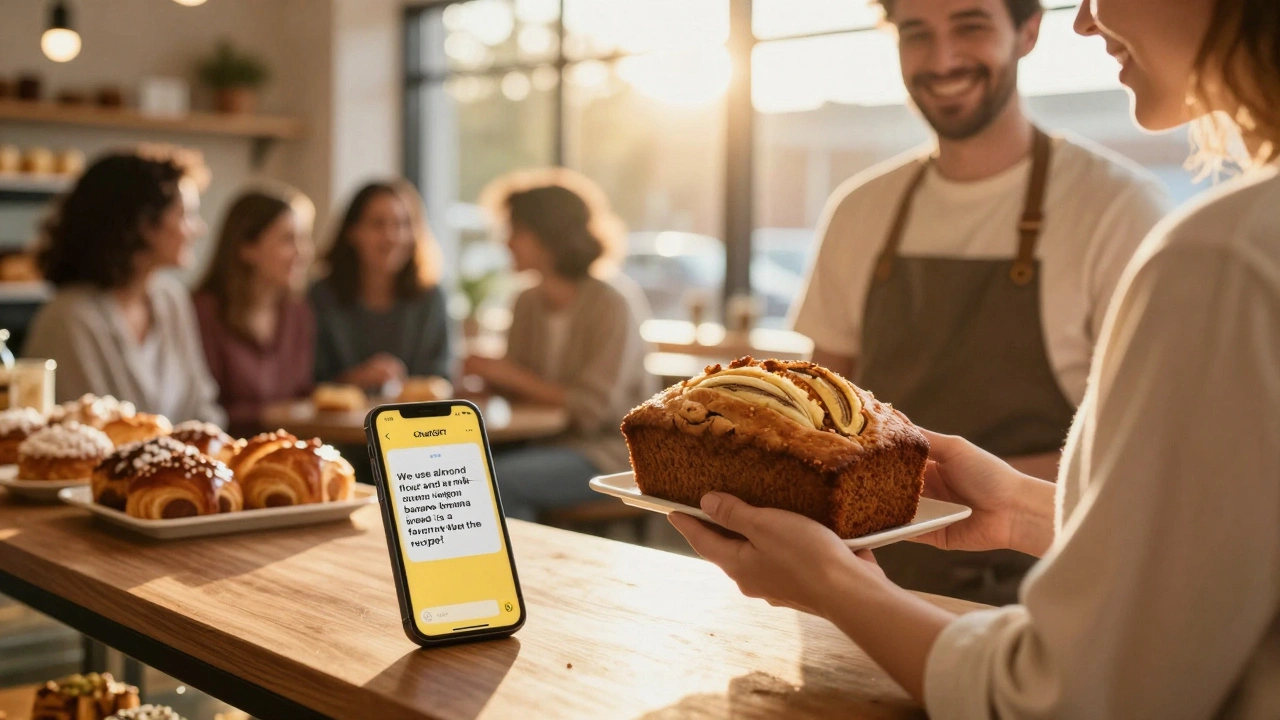
"We use almond flour and oat milk—our vegan banana bread is a favorite. Want the recipe?"
Five years ago, brands posted the same generic captions across every platform. Now, a single tweet can spark a 10,000-comment thread-not because it’s poetic, but because it sounds like it was written by a real person who actually cares. That shift? It’s all thanks to ChatGPT.
ChatGPT Doesn’t Just Write Posts-It Understands Conversations
Most social media tools just auto-post scheduled content. ChatGPT does something different: it listens. It reads the tone of your audience’s comments, notices when people are frustrated, excited, or confused, and replies in a way that feels human. A bakery in Wellington started using ChatGPT to respond to DMs asking about gluten-free options. Instead of canned replies like ‘We have options available,’ it now says, ‘We use almond flour and oat milk-our vegan banana bread is a favorite. Want the recipe?’ Sales of that loaf jumped 40% in two months.
It’s not magic. It’s pattern recognition. ChatGPT learns from your past replies, your brand voice, and even the time of day people engage most. One fitness coach found that replies sent between 7-9 a.m. got 3x more replies. ChatGPT learned that and started auto-scheduling responses during those hours, keeping engagement high without the coach burning out.
From One-Size-Fits-All to Hyper-Personalized Replies
Before AI, brands treated followers like a crowd. Now, they treat them like individuals. ChatGPT scans profiles-bio, past posts, even the hashtags someone uses-and crafts replies that feel personal. A travel agency in Auckland noticed that people who posted about ‘hidden beaches’ were more likely to book trips. ChatGPT now watches for those hashtags and responds with: ‘You’d love the tide pools at Te Oneroa. We’ve got a private kayak tour there next Friday. Want the details?’
That’s not spam. That’s relevance. And it works. Companies using this method report 50-70% higher reply rates compared to generic automated responses. The key? Training ChatGPT on your actual customer interactions. Upload 50 real DMs. Tell it which ones got replies, which ones turned into sales. In under an hour, it learns your rhythm.
Content That Feels Human, Not Robotic
Everyone’s tired of AI-generated content that sounds like a textbook. The trick isn’t to avoid AI-it’s to make it sound like you.
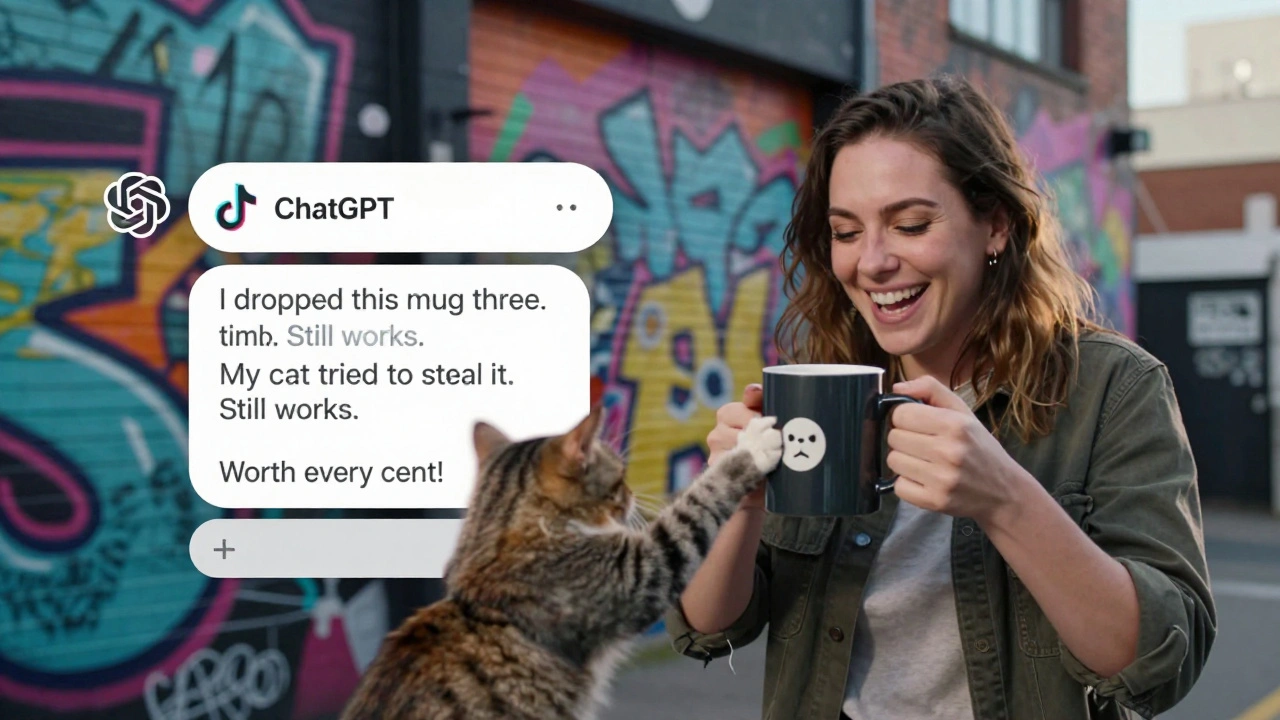
Take TikTok. A small business in Christchurch used ChatGPT to turn product reviews into short-form scripts. Instead of: ‘This coffee mug is durable and microwave-safe,’ it wrote: ‘I dropped this mug three times. Still works. My cat tried to steal it. Still works. Worth every cent.’ The video got 2.3 million views.
Why? Because it sounded like a real person talking to a friend. ChatGPT can mimic slang, humor, regional accents-even typos. One New Zealand brand trained it to use phrases like ‘sweet as’ and ‘no worries’ in replies. Engagement went up 65%. People didn’t just like the content-they felt like they were chatting with someone from their own town.

Scaling Engagement Without Hiring More Staff
Small teams used to dread social media. Answering 50 comments a day? That’s two hours lost. Now, ChatGPT handles 80% of routine replies-questions about shipping, return policies, store hours. The team only steps in when someone’s angry, confused, or asking something weird.
One indie skincare brand in Wellington had three employees managing Instagram, Facebook, and TikTok. They hired ChatGPT to manage replies and comment moderation. Within six weeks, their follower growth doubled. Why? Because they stopped reacting to comments and started creating content. They posted three times a week instead of once. Their Reels went viral. Engagement didn’t drop-it exploded.
It’s not about replacing humans. It’s about freeing them. ChatGPT doesn’t need coffee breaks. It doesn’t get tired. It just keeps showing up.
Real-Time Trend Riding Without the Stress
Remember when brands tried to jump on trends and looked desperate? ‘OMG we love #TikTokDanceChallenge!!’ Nope. That’s cringe.
ChatGPT watches trending topics across platforms and tells you what’s actually relevant to your audience. A pet store in Dunedin got a prompt: ‘There’s a viral video of a dog wearing socks. Should we post about it?’ ChatGPT analyzed their followers: 72% are dog owners under 35. It replied: ‘Yes. But make it about the socks slipping off. Your followers will relate. Add a poll: “Do your dogs hate socks?”’ They posted it. Got 14,000 likes. 800 comments. 300 new followers.
It doesn’t chase every trend. It picks the ones that fit. That’s the difference between sounding desperate and sounding smart.
What Happens When ChatGPT Gets It Wrong?
It happens. A coffee shop’s AI replied to a comment about lactose intolerance with: ‘Try our oat milk latte-it’s just as good!’ But the customer was vegan. The reply didn’t mention plant-based. The brand had to apologize publicly. That mistake cost them 200 followers.
Here’s the fix: always review. Set up a daily 10-minute audit. Let ChatGPT draft replies, but scan them before posting. Add one personal touch: ‘Thanks for pointing that out!’ or ‘We’ll make sure our team updates the menu.’
Also, never let it handle angry comments alone. If someone’s upset, flag it. Humans fix trust. AI just keeps the conversation going.
How to Start Using ChatGPT for Social Media Today
You don’t need a tech team. Here’s how to begin:
- Export your last 50 comments and DMs from Instagram, Twitter, or Facebook. Copy them into a document.
- Feed them to ChatGPT with this prompt: ‘Here are my real customer messages. I want replies that sound like me. Use casual language, local slang if I’m from New Zealand, and keep it under 100 words.’
- Test it for three days. Let ChatGPT draft replies. Don’t post them yet. Just read them. Does it sound like you? If not, tweak the prompt.
- Start small. Use it for DMs first. Then comments. Then replies to stories.
- Train it weekly. Add new replies you liked. Remove ones that felt off.
After two weeks, you’ll notice something: you’re spending less time on social media… and getting more results.
Why This Isn’t Just a Trend-It’s the New Normal
Brands that ignore this are falling behind. Not because AI is perfect. But because customers expect real-time, personalized interaction. They don’t want to talk to a company. They want to talk to someone who gets them.
ChatGPT isn’t replacing your voice. It’s amplifying it. It’s helping you show up more often, more thoughtfully, and more humanly than ever before.
The brands winning on social media right now aren’t the ones with the biggest budgets. They’re the ones who figured out how to let AI do the heavy lifting-so they can focus on what matters: building real connections.
Can ChatGPT write my entire social media calendar?
Yes, but it shouldn’t. ChatGPT can generate post ideas, captions, and even scheduling suggestions based on your past performance. But the best content still comes from your brand’s unique voice and insight. Use it to brainstorm, not to replace your creativity. Feed it your top-performing posts and ask, ‘What’s a similar idea we haven’t tried?’ That’s how you stay fresh.
Is ChatGPT better than other AI tools for social media?
It’s one of the most flexible. Tools like Hootsuite or Buffer automate posting but don’t write replies. ChatGPT handles both. It adapts to your tone, learns from your data, and can respond to unexpected comments. Other tools are great for scheduling. ChatGPT is the only one that turns engagement into conversation.
Does using ChatGPT hurt my brand’s authenticity?
Only if you let it. The problem isn’t AI-it’s lazy AI. If you copy-paste generic replies without checking, yes, it feels robotic. But if you train it on your real conversations, tweak its tone, and always add a personal note, it enhances authenticity. People don’t care if a reply was written by AI. They care if it solved their problem and made them feel heard.
How do I train ChatGPT to match my brand voice?
Give it 10-20 real replies you’ve sent that felt right. Say: ‘This is how I talk to customers.’ Then ask it to rewrite a new comment using that style. Compare. Adjust. Do this weekly. Over time, it learns your rhythm-whether you’re funny, serious, sarcastic, or warm. It’s like teaching a new team member, but faster.
Can ChatGPT handle negative comments or complaints?
It can draft responses, but never post them alone. Negative comments need empathy, not just words. Let ChatGPT suggest a reply like: ‘I’m sorry this happened. Here’s what we’ll do.’ Then read it. Add a line like: ‘I’ve flagged this for our team to follow up personally.’ That human touch turns anger into trust. AI handles the draft. You handle the heart.
What platforms work best with ChatGPT for engagement?
Instagram DMs, Twitter/X replies, and TikTok comments are the top three. These are places people expect quick, personal responses. Facebook comments are slower, so it’s less urgent. LinkedIn? Use it for thoughtful replies to industry posts, not quick banter. Focus where your audience is most active-and where conversations happen in real time.
If you’re still posting the same captions every week, you’re not just falling behind-you’re invisible. ChatGPT doesn’t promise magic. But it does promise this: more time, more connection, and more real conversations. And in a world full of noise, that’s the only thing that still matters.