
ChatGPT and Social Media: How to Scale Content Without Losing Your Voice

Remember when writing a single tweet felt like defusing a bomb? You’d stare at the blinking cursor, delete three drafts, and finally post something that got four likes from your mom. Fast forward to August 2026, and the landscape has shifted entirely. ChatGPT is an advanced large language model developed by OpenAI that generates human-like text for various applications. It has become the default co-pilot for millions of marketers, creators, and small business owners navigating the chaotic world of social media platforms.
The headline "A Match Made in Digital Heaven" sounds like marketing fluff, but it’s actually describing a structural shift in how we produce content. The problem isn’t whether you *should* use AI; it’s whether you can use it without sounding like every other generic brand on the feed. If you’re drowning in content demands across LinkedIn, Instagram, X (formerly Twitter), and TikTok, this guide will show you how to leverage ChatGPT to scale your output while keeping your authentic voice intact.
The Reality Check: Why AI Alone Fails on Social
Let’s be honest for a second. If you take a raw prompt like "Write a fun Instagram caption about summer shoes" and paste the result directly into your bio, you’ve already lost. The algorithm doesn’t just read words; it measures engagement. And right now, audiences have developed an acute radar for robotic, soulless copy. They scroll past it instantly.
The core issue with early AI adoption was the lack of context. Social Media Algorithms are complex systems used by platforms like Meta and X to prioritize content based on user interaction, relevance, and freshness. These algorithms favor content that sparks conversation, not just consumption. A generic AI post might be grammatically perfect, but if it lacks a specific point of view, humor, or emotional hook, it gets buried.
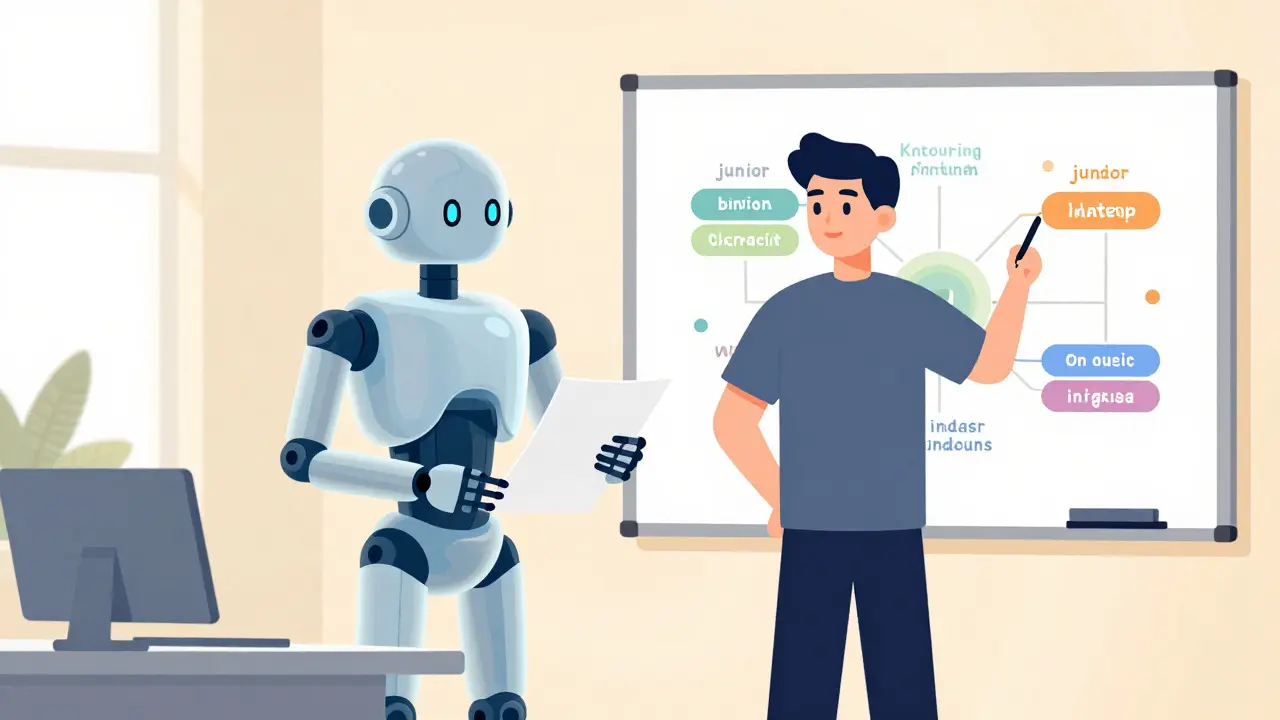
To fix this, you need to treat ChatGPT as a junior intern, not the CEO. An intern needs clear instructions, brand guidelines, and feedback loops. If you don’t provide the "why" and the "who," the intern will give you safe, boring work. Your job is to inject the personality that the AI simply cannot generate on its own. So, how do you actually make this partnership work? It starts with a system. You aren’t just asking for captions; you’re building a pipeline. Here is the step-by-step workflow that top creators are using in 2026 to stay consistent without burning out.
By following this process, you reduce the time spent on drafting from hours to minutes. You move from being a writer to being an editor, which is a much more sustainable role for long-term growth. Using ChatGPT effectively means understanding the nuances of each major platform. Here is how to tailor your AI prompts for the big players in 2026.
Notice the pattern? On LinkedIn, you want depth. On X, you want brevity. On TikTok, you want action. ChatGPT excels at adapting tone, but only if you tell it exactly what flavor you need. If you ask for a "fun post" for LinkedIn, you’ll get cringe. If you ask for a "professional post" for TikTok, you’ll get ignored. Be specific. This is the elephant in the room. Will people hate us for using AI? Not if they can’t tell the difference. In fact, they’ll appreciate the consistency. But there is a fine line between assistance and automation.
Authenticity comes from vulnerability and specificity. AI has never experienced heartbreak, failed a business launch, or tasted a bad cup of coffee. It can describe these things, but it can’t *feel* them. When you use ChatGPT, keep the emotional core human. Use the AI to handle the structure, grammar, and ideation scaffolding, but always inject your personal experiences.
For example, instead of asking ChatGPT to write a post about "overcoming failure," give it your story: "I launched my product last year and it flopped. I felt embarrassed. Then I realized..." Ask the AI to polish that narrative, tighten the pacing, and suggest a stronger closing question. The story is yours; the execution is aided. This hybrid approach builds trust because your audience connects with *you*, not the software. If you’re using AI to scale, you need to know if it’s working. Don’t just look at likes. Likes are cheap. Look at saves, shares, and comments. These indicate that your content provided real value or sparked genuine emotion.
Track your engagement rate over time. If you start using ChatGPT and your engagement drops, your content is likely becoming too generic. Dial back the AI reliance and add more personal voice. If engagement stays steady or increases while your posting frequency goes up, you’ve found the sweet spot. Remember, the goal isn’t to post more for the sake of it; it’s to reach more people with meaningful messages efficiently. We are in August 2026, and AI models are getting smarter every month. Multimodal models that can analyze images and videos directly are becoming standard. Soon, you won’t just type prompts; you’ll upload your video drafts and ask for script improvements or caption suggestions based on the visual content.
To stay ahead, focus on developing your strategic thinking skills. As AI handles the tactical execution of writing, your value shifts to curation, strategy, and community management. Learn how to interpret data, understand your audience’s evolving needs, and build relationships. Those are human skills that no algorithm can replicate yet. Not inherently. Search engines and social platforms prioritize helpful, engaging content. If your AI-assisted posts drive high engagement and provide value, rankings improve. However, low-effort, duplicate, or spammy AI content can hurt your reputation and reach. Always edit and personalize AI output to ensure quality and uniqueness. Yes, and transparency can build trust. Many audiences appreciate honesty. You don’t need to label every post, but being open about using tools to enhance creativity shows you’re modern and efficient. Just ensure the final voice is distinctly yours. Feed the AI specific details about your brand voice, recent experiences, and target audience pain points. Avoid vague prompts. After generation, manually add idioms, humor, or personal anecdotes that reflect your unique perspective. The more specific the input, the less generic the output. Absolutely. ChatGPT is excellent at structuring short-form video scripts. Provide the topic and desired length, and ask for a hook, body points, and a call-to-action. It can also suggest visual cues and transition ideas to make the video more dynamic. Use a content calendar tool or a simple spreadsheet. Save successful prompts and outputs in a library categorized by topic or platform. This creates a reusable asset base where you can tweak previous winners rather than starting from scratch every time.Building Your AI-Powered Content Engine
Platform-Specific Strategies: One Size Does Not Fit All
Platform
Primary Goal
Best ChatGPT Use Case
Pitfall to Avoid
LinkedIn
Professional Networking & Thought Leadership
Expanding bullet points into narrative stories; refining technical jargon into accessible insights.
Sounding too corporate or using buzzwords like "synergy" without substance.
Instagram
Visual Engagement & Community Building
Generating hashtag clusters; brainstorming Reels concepts based on trending audio themes.
Ignoring the visual component; AI can't see your image, so you must describe it.
X (Twitter)
Real-time Conversation & Virality
Condensing long articles into thread hooks; generating witty replies to trending topics.
Being too verbose; missing the nuance of current memes or news cycles.
TikTok
Entertainment & Rapid Discovery
Scripting short-form video hooks; suggesting visual transitions and B-roll ideas.
Focusing too much on text; TikTok is primarily auditory and visual.
Maintaining Authenticity in an AI World

Measuring Success: Beyond Vanity Metrics
Future-Proofing Your Strategy
Will using ChatGPT hurt my SEO or social media ranking?
Is it okay to disclose that I use AI for my content?
How do I prevent my AI content from sounding generic?
Can ChatGPT help with video scripts for TikTok or Reels?
What is the best way to store and reuse AI-generated content ideas?