
Breaking Down the Basics of Affiliate Marketing
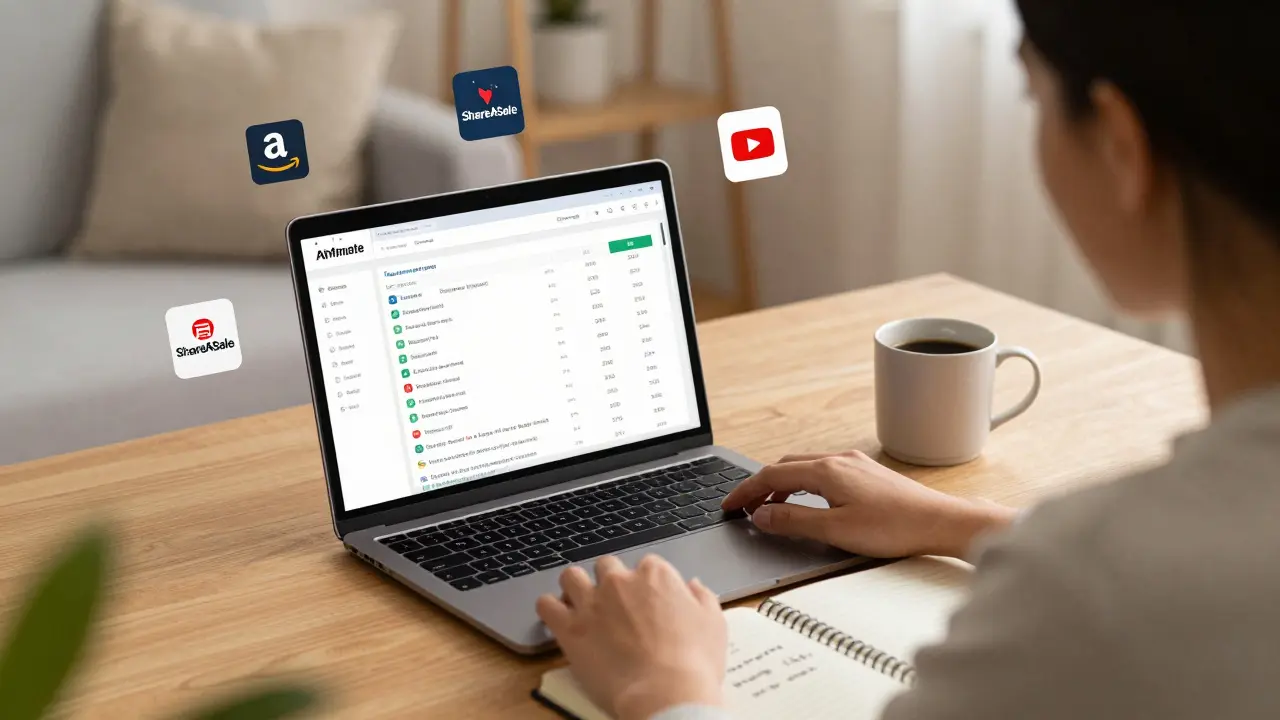
Think affiliate marketing is just about slapping links on a blog and waiting for money to roll in? That’s a myth. Real affiliate marketing is a skill-one that takes strategy, trust, and consistency. It’s not magic. It’s not get-rich-quick. But for people who do it right, it can become a steady source of income with little ongoing overhead.
What Exactly Is Affiliate Marketing?
Affiliate marketing is when you promote someone else’s product or service and earn a commission for every sale or action that comes through your unique tracking link. You don’t handle inventory, shipping, or customer service. The company you’re promoting does all of that. Your job? Drive the right people to their offer.
Think of it like a referral bonus. You tell a friend about a great pair of running shoes. They buy them using your link. You get paid. Now scale that to thousands of people. That’s affiliate marketing.
The most common types of affiliate programs pay per sale (CPS), per lead (CPL), or per click (CPC). Most beginners start with CPS because it’s the most straightforward: you earn money only when someone actually buys something.
How It Works: The Simple Steps
Here’s how it actually plays out in real life:
- You join an affiliate program-like Amazon Associates, ShareASale, or a brand’s own program.
- You get a unique tracking link that’s tied to your account.
- You share that link where your audience hangs out-your blog, YouTube videos, Instagram posts, email list, or even TikTok.
- Someone clicks your link and buys something.
- The company tracks the sale back to your link and pays you a percentage.
It sounds simple. But the tricky part? Getting people to click. And then actually buy.
Where to Find Affiliate Programs
You can’t just start promoting anything. You need to find programs that match your audience and are actually worth promoting.
Here are the most reliable places to start:
- Amazon Associates - Great for beginners. Millions of products, easy to join. But commissions are low-usually 1% to 10%.
- ShareASale - Hosts over 4,000 merchants. Good for niche products like fitness gear, beauty, or home goods.
- CJ Affiliate - Used by big brands like Walmart, Best Buy, and Expedia. Higher payouts but harder to get approved.
- Impact - Popular with SaaS companies. Good if you write about software, tools, or apps.
- Brand Direct Programs - Many companies like Shopify, Canva, or Bluehost have their own affiliate programs. These often pay more than third-party networks.
Pro tip: Don’t just chase high commissions. Look for products you’d use yourself. If you wouldn’t recommend it to your best friend, don’t promote it.
Choosing the Right Niche
Trying to promote everything to everyone? That’s a fast way to fail.
Your niche should be specific enough that you can become a trusted voice, but broad enough that there are products to sell. For example:
- Instead of "fitness," try "home workouts for busy moms."
- Instead of "tech," try "budget laptops for college students."
- Instead of "travel," try "road trips from Wellington to Queenstown."
Why does this matter? Because people trust experts. If you’re known for helping new parents find safe baby gear, they’ll listen when you say a stroller is worth the price. If you’re just another person shilling random products, you’ll get ignored.
Where to Promote Affiliate Links
You can’t just drop links everywhere and hope for the best. Where you place them matters.
Here’s what works in 2026:
- Blog posts - Deep, helpful guides with embedded links. Example: "10 Best Air Fryers for Small Kitchens (Tested in 2026)."
- Email newsletters - People who signed up for your advice are more likely to trust your recommendations.
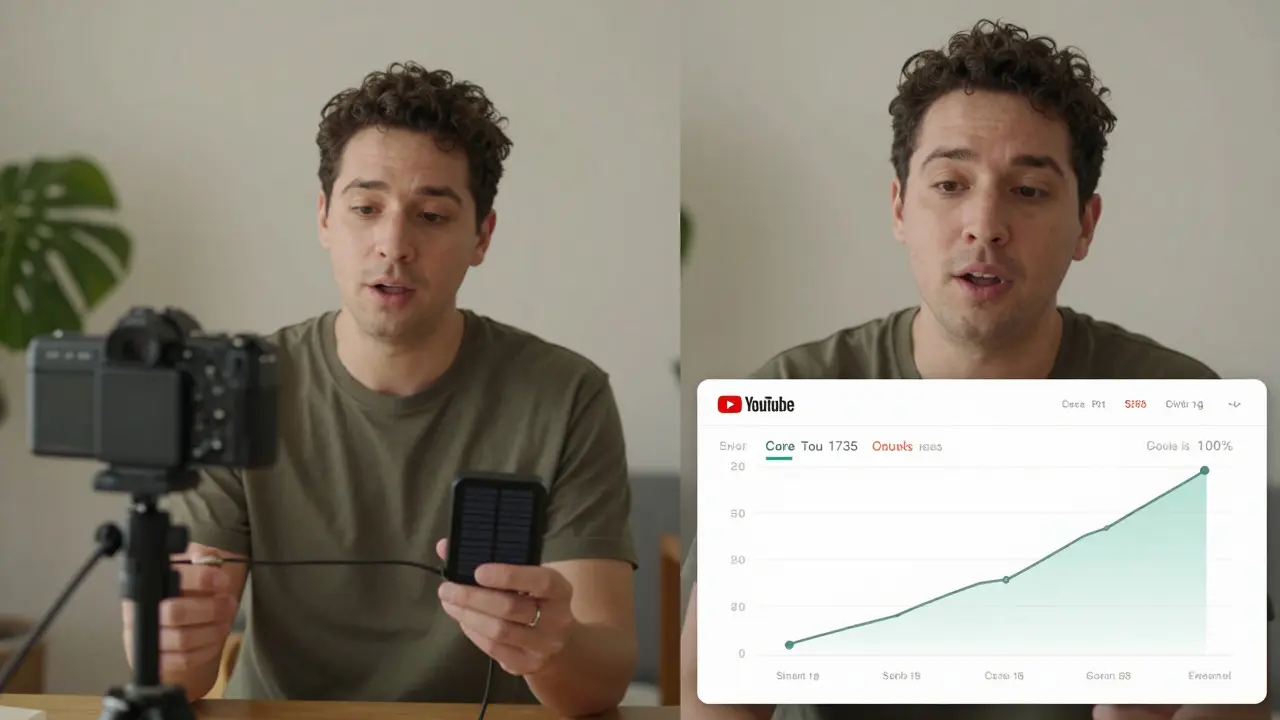
- YouTube videos - Show the product in action. Say, "Here’s why I switched to this solar charger after 6 months of use."
- Instagram Reels or TikTok - Quick, authentic reviews work best. Don’t sell-educate. "This $25 tool saved me 3 hours a week. Here’s how."
- Podcasts - Mention products naturally during episodes. Say, "I use this app every day. Here’s my affiliate link if you want to try it."
Avoid: Facebook ads, spammy comment sections, or buying traffic. Those don’t build trust. They build resentment.
How to Make It Actually Work
Most people quit because they expect quick results. But affiliate marketing is a long game.
Here’s what separates those who make $500 a month from those who make $5,000:
- Write for people, not search engines. Answer real questions. If someone searches "best budget coffee maker for dorm rooms," give them the full breakdown-not just a link.
- Be honest. If a product sucks, say so. People notice when you’re fake.
- Track what works. Use free tools like Bitly or Pretty Links to see which links get clicked. Double down on what converts.
- Repurpose content. Turn a blog post into a video, a carousel, and an email. One piece of content can fuel ten promotions.
- Be consistent. Post once a week for six months. Not five posts in one day and then disappear for three months.
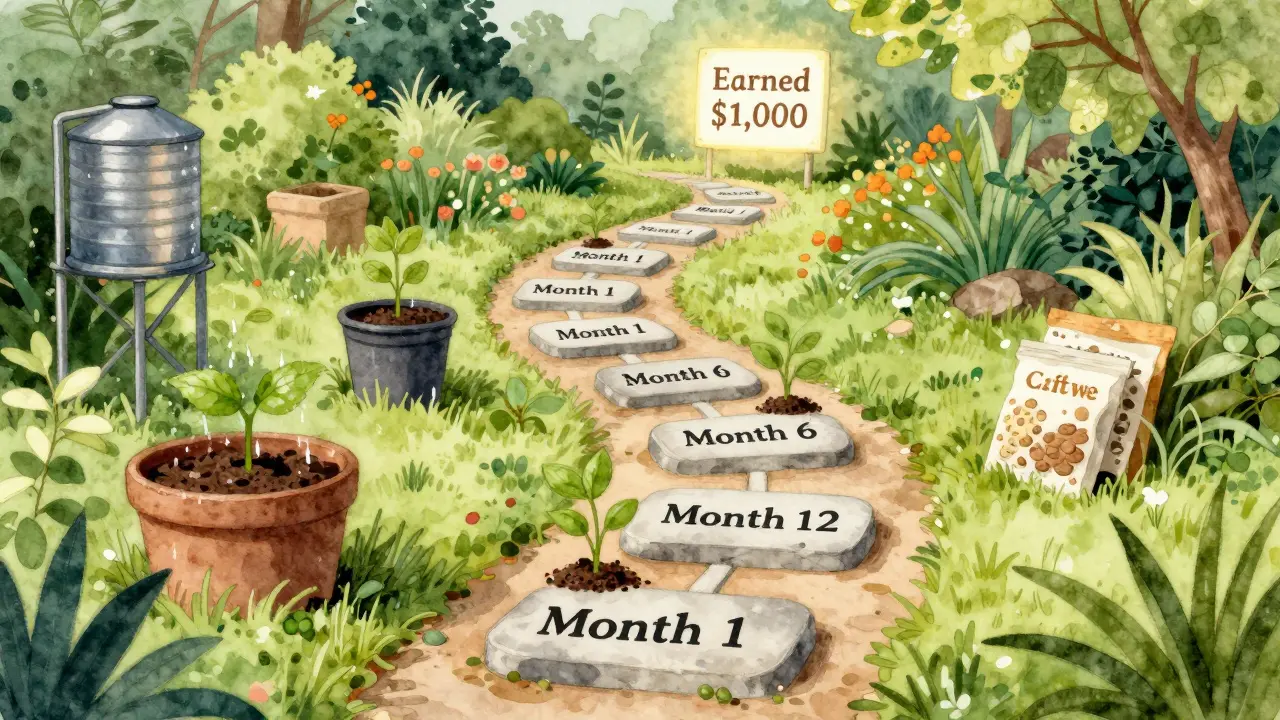
One person in Wellington started a blog about sustainable gardening. After 10 months, she made her first $1,000 from affiliate links to compost bins, rainwater tanks, and native seed packs. She didn’t have a huge audience. She just helped real people solve real problems.
Common Mistakes to Avoid
Here’s what most beginners get wrong:
- Chasing the highest commission. A $100 commission on a $2,000 product is useless if no one buys it.
- Promoting too many products. Overload confuses people. Stick to 3-5 trusted products per piece of content.
- Not disclosing affiliate links. In New Zealand and the US, you’re legally required to say if you earn a commission. Just write: "Disclosure: I earn a commission if you buy through my links. It doesn’t cost you extra."
- Ignoring SEO. If no one finds your content, your links won’t matter. Learn basic keyword research.
- Expecting instant results. It takes 6-12 months to build momentum. Most quit at month 3.
How Much Can You Really Earn?
Some influencers make six figures. But that’s not the norm.
Here’s a realistic breakdown for someone starting from scratch:
- Month 1-3: $0-$50. You’re learning, testing, building content.
- Month 4-6: $100-$300. First sales start trickling in.
- Month 7-12: $500-$1,500. Your content starts compounding.
- Year 2+: $2,000-$10,000+ if you keep improving and adding content.
It’s not about luck. It’s about volume + relevance + patience.
Getting Started Today
Don’t wait for the "perfect" setup. Start with what you have.
- Pick one niche you know something about.
- Join one affiliate program (Amazon Associates is fine for starters).
- Create one piece of helpful content-a blog post, video, or Instagram carousel.
- Include your affiliate link naturally.
- Share it where your audience already is.
- Repeat every week.
You don’t need a website, a big following, or fancy tools. You just need to help people-and get paid when they take action.
Affiliate marketing isn’t about selling. It’s about serving. And when you serve well, the money follows.
Do I need a website to do affiliate marketing?
No, you don’t need a website. You can promote affiliate links through social media, email, YouTube, or even TikTok. But having a website gives you more control. You own your content, and it keeps working for you even when algorithms change. Without a website, you’re at the mercy of platforms that can change their rules overnight.
Is affiliate marketing legal?
Yes, it’s completely legal-as long as you follow the rules. In New Zealand, Australia, the US, and the EU, you must clearly disclose that you earn a commission if someone buys through your link. Use simple language like: "This post contains affiliate links. If you buy something, I may earn a small commission at no extra cost to you." Not doing this can lead to fines or account bans.
How do I know if an affiliate program is legit?
Look for three things: a clear payment schedule (monthly, biweekly), a transparent commission structure, and a professional website. Avoid programs that ask you to pay to join. Legit programs like Amazon Associates, ShareASale, and CJ Affiliate are free to join. Check reviews on forums like Reddit or Trustpilot. If people are complaining about late payments or hidden terms, walk away.
Can I promote affiliate links on social media?
Yes, and many people make good money this way. But platforms like Instagram and TikTok don’t let you put clickable links in posts. Use link-in-bio tools like Linktree or Tap.bio to direct traffic to your affiliate links. Always disclose your affiliation. And focus on value-don’t just say "Buy this!" Show how it solves a problem.
What’s the best affiliate program for beginners?
Amazon Associates is the easiest for beginners. You don’t need approval, you can promote millions of products, and payments are reliable. The downside? Low commissions. Once you build some traffic, move to higher-paying programs like ShareASale or direct brand programs. For example, if you review web hosting, Bluehost pays up to $100 per sale. That’s way better than 4% on a $50 book.
How long does it take to make money with affiliate marketing?
Most people don’t see their first dollar until 3-6 months in. It takes time to build content, get found by search engines, and earn trust. The people who succeed treat it like a business, not a side hustle. They post consistently, track results, and improve. If you’re looking for quick cash, this isn’t the path. But if you’re willing to put in the work, it can become a real income stream.