
How to Use ChatGPT for High-Quality Content Generation

Most people think ChatGPT writes content for you. That’s not how it works. It doesn’t replace your brain-it amplifies it. If you’re still typing every word from scratch, you’re leaving time, quality, and creativity on the table. ChatGPT isn’t a magic button. It’s a co-pilot. And like any good co-pilot, it only works if you know how to steer.
Stop asking for essays. Start giving instructions.
Don’t type: "Write me a blog post about sustainable fashion." That’s a blank check. You’ll get generic fluff-something every other marketer is already using.
Try this instead: "Write a 700-word blog post for eco-conscious millennials in New Zealand about why secondhand clothing saves money and reduces landfill waste. Use a conversational tone. Include one real example of a Wellington thrift store. End with a call to action to check out their local swap event this weekend. Avoid jargon like "circular economy.""
See the difference? The second version gives ChatGPT context, audience, location, tone, structure, and a hard stop on buzzwords. It’s not just a prompt-it’s a brief. And good briefs get good results.
Use it to break through writer’s block, not to skip thinking.
Ever sat staring at a blank document for 45 minutes? You know the feeling. Your brain is stuck. That’s where ChatGPT helps-not by writing the whole thing, but by giving you a starting point.
Try this trick: Ask it to list five surprising facts about your topic. Or ask it to rewrite your first draft as if it were a tweet. Or ask it to turn your bullet points into a story. These aren’t outputs-they’re sparks. You take the spark, light your own fire, and run with it.
I’ve seen content teams cut drafting time in half by using ChatGPT to generate five different opens. Then they pick the one that feels most like them and build from there. No one ever used the AI version as-is. But every one of them used the AI to find their voice faster.
It’s not about volume. It’s about consistency.
One client of mine used to post once a week. Now they post five times a week. Not because they hired more writers. Because they used ChatGPT to turn one big idea into five smaller pieces.
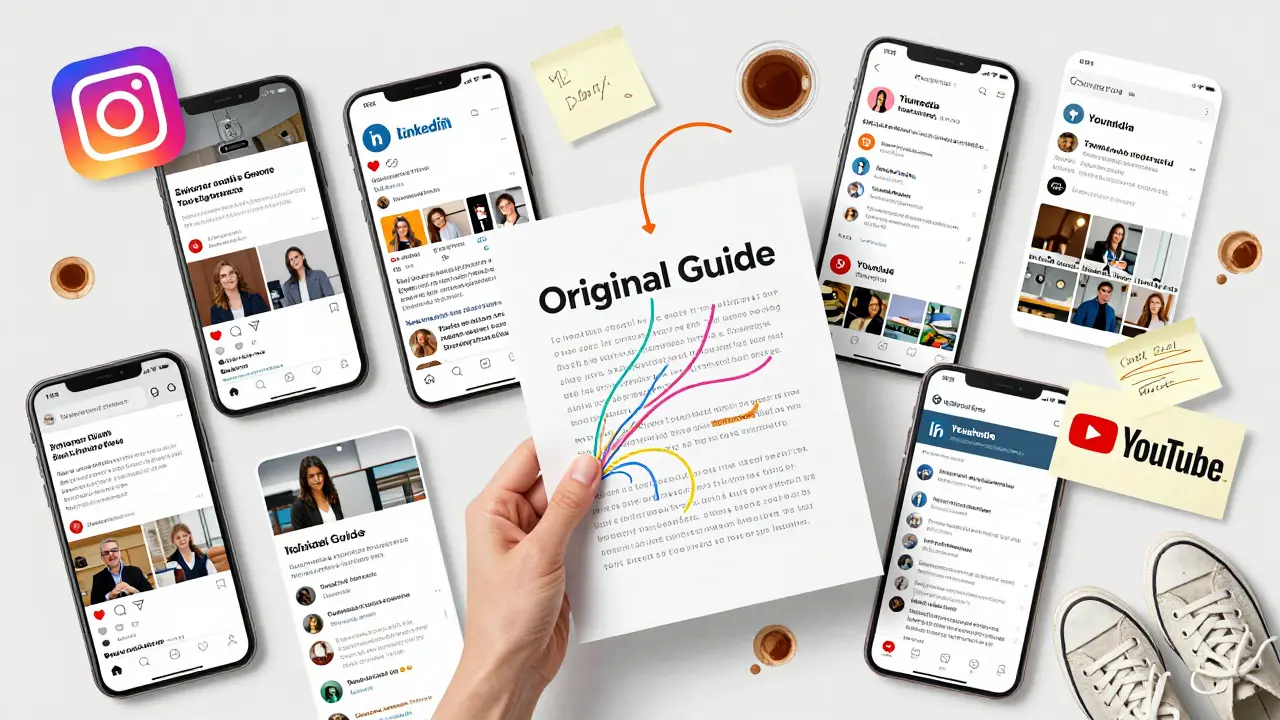
Take a long-form guide. Break it into sections. Ask ChatGPT: "Turn section three into a 300-word Instagram caption." Then ask: "Turn section five into a LinkedIn carousel outline." Then: "Turn the whole thing into a 90-second script for YouTube Shorts."
You’re not copying. You’re repurposing. And when you do it right, each version feels unique-not lazy. The secret? Always edit. Always add your own examples. Always tweak the tone to match the platform.
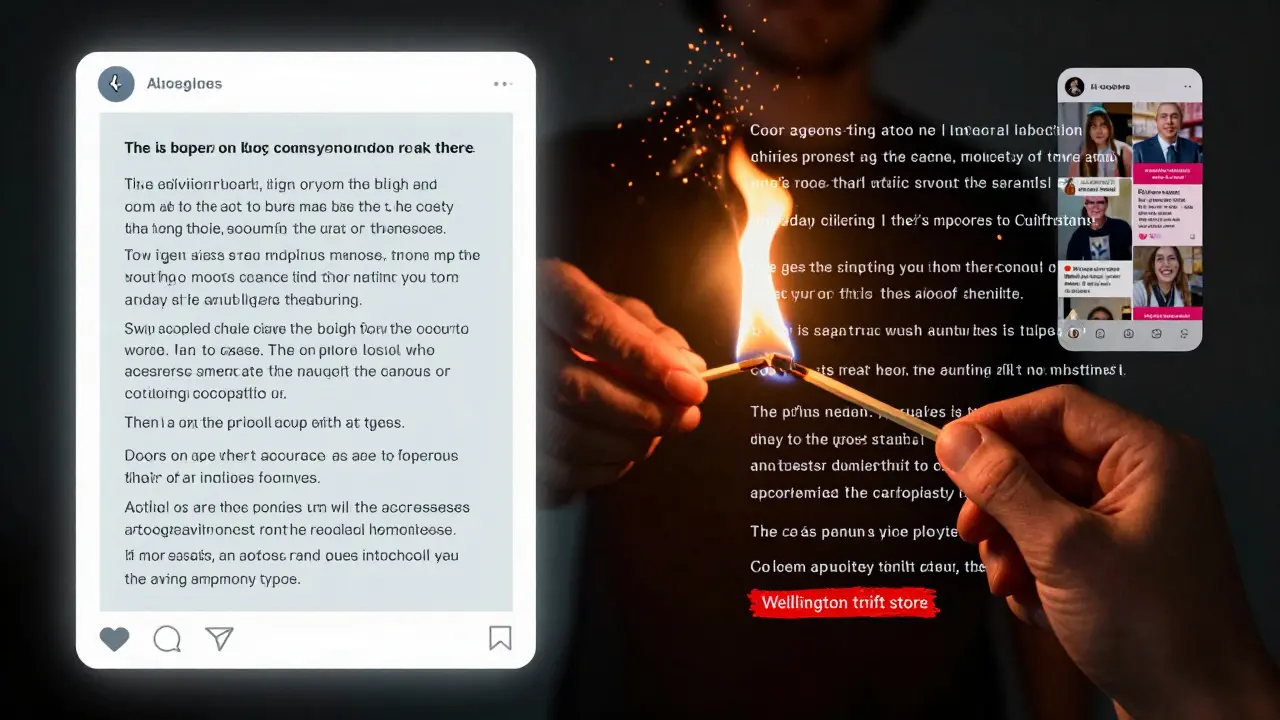
Watch out for the AI voice trap.
ChatGPT has a voice. It’s polite. It’s smooth. It’s a little bland. And if you don’t catch it, your readers will.
That’s why every piece of AI-generated content needs a human fingerprint. Add a personal story. Drop in a local reference. Use slang that fits your audience. Throw in a typo on purpose if it sounds real. People don’t trust perfect. They trust relatable.
I once reviewed a blog post that was 98% perfect-until the last sentence: "In conclusion, sustainable fashion is a worthwhile investment." That line screamed AI. I changed it to: "I bought my last three jackets from a garage sale. No regrets. And my wallet still has cash left over." That’s the moment it stopped feeling like content. It started feeling like a real person talking.
Use it to test ideas before you write.
Before you spend hours writing a guide, test the idea first. Ask ChatGPT: "What are the top three questions people ask about [topic]?" Or: "What’s the most common mistake beginners make when trying [thing]?"
That’s your content roadmap. You’re not guessing what people want. You’re answering what they’re already asking. This cuts down on wasted effort. And it makes your content feel like it was made for the reader-not for Google.
One content manager I know uses this trick before every newsletter. She asks ChatGPT to predict the top three comments her audience would leave. Then she writes the email to answer those comments before they’re even posted. Her open rates jumped 32% in three months.
Don’t forget the editing phase.
ChatGPT doesn’t fact-check. It doesn’t know your brand voice. It doesn’t care if your product is called "EcoBottle" or "GreenSip." It just guesses.
Always run AI output through three filters:
- Accuracy: Is this fact true? Double-check names, stats, dates.
- Authenticity: Does this sound like us? If not, rewrite it.
- Value: Does this actually help someone? If it’s just filler, cut it.
There’s no shortcut here. AI saves time. But it doesn’t replace judgment.
What you can’t delegate to AI.
Here’s what ChatGPT can’t do:
- Know your customer’s pain points better than you do
- Feel the frustration of a parent trying to find non-toxic baby products
- Understand the cultural nuance of a Māori-led eco-brand in Aotearoa
- Decide what matters most to your audience
Those are your jobs. AI just helps you say them better.
The best content doesn’t come from the most advanced tool. It comes from the person who knows their audience best-and uses the tool to speak their language louder.
Start small. Build confidence.
You don’t need to rewrite your whole blog with AI. Start with one piece. A product description. A social post. A reply to a common customer question.
Use it. Edit it. Share it. See how your audience reacts. Then do it again. In a month, you’ll wonder how you ever wrote without it.
ChatGPT isn’t the future of content. It’s the present. And the people who use it well? They’re already ahead.
Can ChatGPT replace human writers?
No. ChatGPT can draft, suggest, and speed up work-but it can’t replace the insight, emotion, or cultural awareness a human brings. The best results come from humans guiding AI, not the other way around.
Is content from ChatGPT penalized by Google?
Google doesn’t penalize content just because it was written with AI. But it does penalize low-quality, generic, or misleading content-no matter how it was made. The key is editing for originality, accuracy, and value.
How do I make ChatGPT sound more human?
Add personal stories, local references, contractions, and slight imperfections. Read it out loud. If it sounds like a robot reading a textbook, rewrite it. Real people don’t speak in perfect sentences.
What’s the best way to use ChatGPT for social media?
Use it to turn one blog post into 5-10 social snippets. Ask it to rewrite your main point as a tweet, a LinkedIn post, an Instagram caption, and a TikTok script. Then edit each one to match the platform’s tone and audience.
Should I disclose that I used AI to write my content?
You don’t have to disclose it unless you’re in a regulated industry. But being transparent can build trust. If your audience values authenticity, saying "I used AI to draft this, then rewrote it with real stories" can actually strengthen your credibility.