How ChatGPT Is Changing the Face of SMM
Five years ago, posting on social media meant grinding out captions, scheduling posts, and hoping for engagement. Today, ChatGPT is rewriting the rules - not just making things faster, but making them smarter. What used to take hours of brainstorming now takes seconds. What used to feel like shouting into the void now feels like having a conversation. And it’s not just big brands using it - small businesses, solopreneurs, and content creators are seeing real results.
Content Creation That Doesn’t Feel Like Work
Before ChatGPT, social media managers spent hours writing captions, tweaking hashtags, and rewriting posts that didn’t get traction. Now, you type a quick prompt - "Write a fun, relatable Instagram caption about coffee spills at work" - and get five polished options in under ten seconds. No more staring at a blank screen. No more second-guessing your tone.
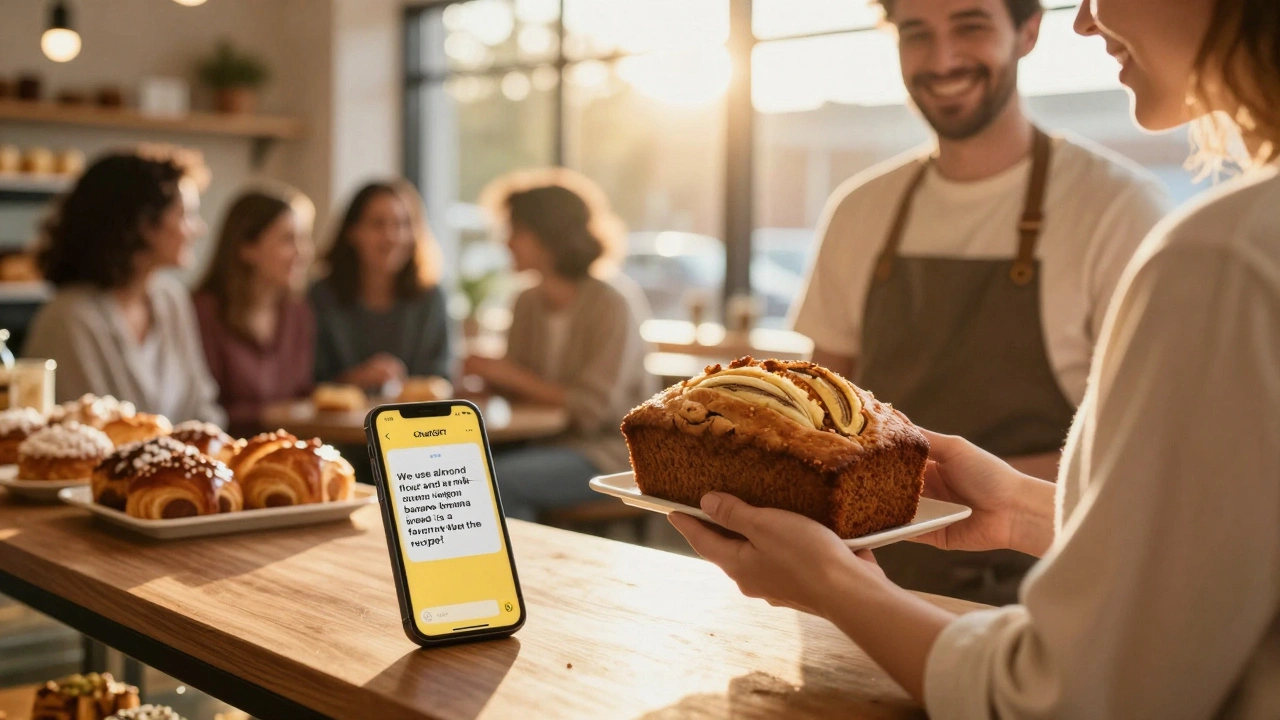
One bakery in Adelaide started using ChatGPT to generate daily Instagram stories. They gave it their brand voice - playful, slightly sarcastic, with a love for puns - and now they post three times a day without hiring extra staff. Engagement jumped 47% in six weeks. Why? Because the content felt human, not robotic. ChatGPT doesn’t replace creativity; it removes the friction.
It’s not just captions. Think about carousels, tweet threads, LinkedIn posts, TikTok scripts. ChatGPT can turn a product feature into a story, a customer complaint into a public apology, or a boring statistic into a viral hook. The tool doesn’t write for you - it helps you think faster.
Personalization at Scale
People don’t follow brands. They follow people. And they want to feel seen. ChatGPT lets you tailor messages to specific audiences without hiring a team.
Imagine you run a fitness page targeting busy moms. Instead of one generic post about "getting fit after kids," you can generate ten variations:
- One for moms who work night shifts
- One for moms with toddlers who won’t nap
- One with humor about hiding veggies in spaghetti
- One with a quick 5-minute workout using baby as a weight
Each version speaks directly to a different pain point. ChatGPT learns your audience’s language - the slang, the frustrations, the inside jokes - and mirrors it back. You’re not casting a wide net anymore. You’re having 100 one-on-one conversations at once.
Customer Service That Actually Responds
DMs used to be a nightmare. "Where’s my order?" "Can I return this?" "Do you ship to New Zealand?"
Now, ChatGPT powers smart auto-replies that don’t sound like bots. A skincare brand in Melbourne trained their system to recognize common questions and respond with empathy: "I totally get how frustrating that is - I’ve been there too. Here’s what you can do…"
They cut response time from 12 hours to 9 minutes. Customer satisfaction scores went up 32%. And the best part? They still have humans stepping in when things get emotional. ChatGPT handles the routine stuff. Humans handle the heart stuff.

Strategy That Adapts in Real Time
Social media trends move fast. A meme dies in 48 hours. A hashtag explodes overnight. ChatGPT doesn’t just create content - it helps you spot patterns.
One SMM team started feeding their analytics into ChatGPT: "Here’s my top 10 performing posts this week. What do they have in common?" The AI noticed a pattern: all of them used humor, had a clear before/after structure, and included a question at the end. They didn’t know that before. Now, they’re building every post around that formula.
It’s like having a strategist who works 24/7, never sleeps, and reads every comment, trend, and competitor post. You don’t have to guess what’s working. You just ask.
Breaking the Creative Block - Every Day
Even the best creators hit walls. You’re tired. You’re stuck. You’ve posted the same type of content for weeks. ChatGPT doesn’t judge. It doesn’t care if you’re having a bad day.
Just type: "I need 5 fresh post ideas for my eco-friendly clothing brand. My audience loves sustainability, but I’m out of ideas." Within seconds, you get:
- A post comparing your fabric to fast fashion waste
- A "day in the life" of your tailor
- A myth-busting carousel about "greenwashing"
- A user-generated content prompt
- A poll: "What’s your biggest struggle with sustainable fashion?"
No more staring at your calendar wondering what to post next. You’ve got a brainstorming partner who never runs out of steam.

What It Can’t Do - And Why That’s Okay
ChatGPT isn’t magic. It doesn’t know your brand’s soul. It doesn’t feel your passion. It can’t replace your intuition.
Here’s what it still needs you for:
- Setting the tone - it can mimic your voice, but you have to teach it
- Knowing when to break the rules - sometimes, a raw, unpolished post hits harder
- Understanding cultural nuance - AI doesn’t know local slang or inside jokes
- Handling crises - if someone’s angry, you still need to show up
The best SMM teams now use ChatGPT as a co-pilot, not a pilot. You steer. It accelerates.
The New SMM Playbook
If you’re still doing SMM the old way, you’re falling behind. Here’s how top performers are using ChatGPT right now:
- Use it to draft 80% of your content - then edit it like a human
- Train it on your best-performing posts so it learns your style
- Use it to turn customer feedback into content ideas
- Run weekly "what’s trending?" prompts to stay ahead
- Never post AI content without adding your own voice
The goal isn’t to automate everything. It’s to automate the boring stuff so you can focus on what matters: building real relationships.
Real Results, Not Just Hype
A small business owner in Sydney used ChatGPT to overhaul her social media. She went from posting twice a week to daily. Her follower count grew 140% in four months. Her sales? Up 68%.
She didn’t spend a dollar on ads. She just stopped wasting time. She started creating faster, responding quicker, and connecting deeper.
That’s the real change. ChatGPT isn’t replacing SMM. It’s revealing what SMM was always meant to be: human connection, amplified by smart tools.
Can ChatGPT replace social media managers?
No. ChatGPT is a tool, not a replacement. It handles repetitive tasks like drafting captions, suggesting hashtags, or answering common DMs - but it can’t build relationships, understand emotional nuance, or make strategic decisions based on brand values. The best results come when humans use ChatGPT to work smarter, not harder.
Is using ChatGPT for SMM ethical?
Yes - if you’re transparent and keep the human touch. Many brands now label AI-generated content as "drafted with AI, edited by humans." Audiences care more about authenticity than origin. If your content feels real, personal, and helpful, it doesn’t matter if AI helped write it. What’s unethical is pretending AI content is 100% human-written without disclosure - especially if it’s misleading.
Do I need to pay for ChatGPT to use it for SMM?
You can start with the free version, but the paid version (ChatGPT Plus) is worth it for serious SMM work. It offers faster responses, access to GPT-4, file uploads for analyzing past posts, and better memory for remembering your brand voice. For teams posting daily, the $20/month fee pays for itself in saved hours.
How do I train ChatGPT to sound like my brand?
Give it examples. Paste 3-5 of your best-performing posts and say: "This is my brand voice. Rewrite this new idea in the same style." Over time, it learns your tone - whether it’s sarcastic, warm, professional, or quirky. Keep refining. The more you use it, the better it gets. Think of it like training a new intern.
Can ChatGPT help with social media analytics?
Not directly - it can’t pull data from Instagram or TikTok. But you can copy-paste your analytics into ChatGPT and ask: "What patterns do you see in these top 10 posts?" It can spot trends in tone, structure, timing, or hashtags you might miss. It’s not a dashboard - it’s a smart analyst.
ChatGPT didn’t invent social media marketing. But it’s turning it from a chore into a conversation. And that’s the biggest shift of all.