
Digital Marketing: How It’s Driving Real Business Innovation Today
Businesses aren’t just using digital marketing to get more clicks or sell more stuff. They’re using it to rebuild how they operate, how they talk to customers, and even how they invent new products. Digital marketing isn’t a tool in the corner of the sales team anymore. It’s the engine pushing innovation across entire companies.
It Starts With Listening - Not Just Broadcasting
Five years ago, most companies used digital marketing to shout their message louder than competitors. Today, the best ones use it to listen. Social media isn’t just a billboard - it’s a live feedback loop. Every comment, DM, and review tells you what’s broken, what’s missing, and what customers actually want.
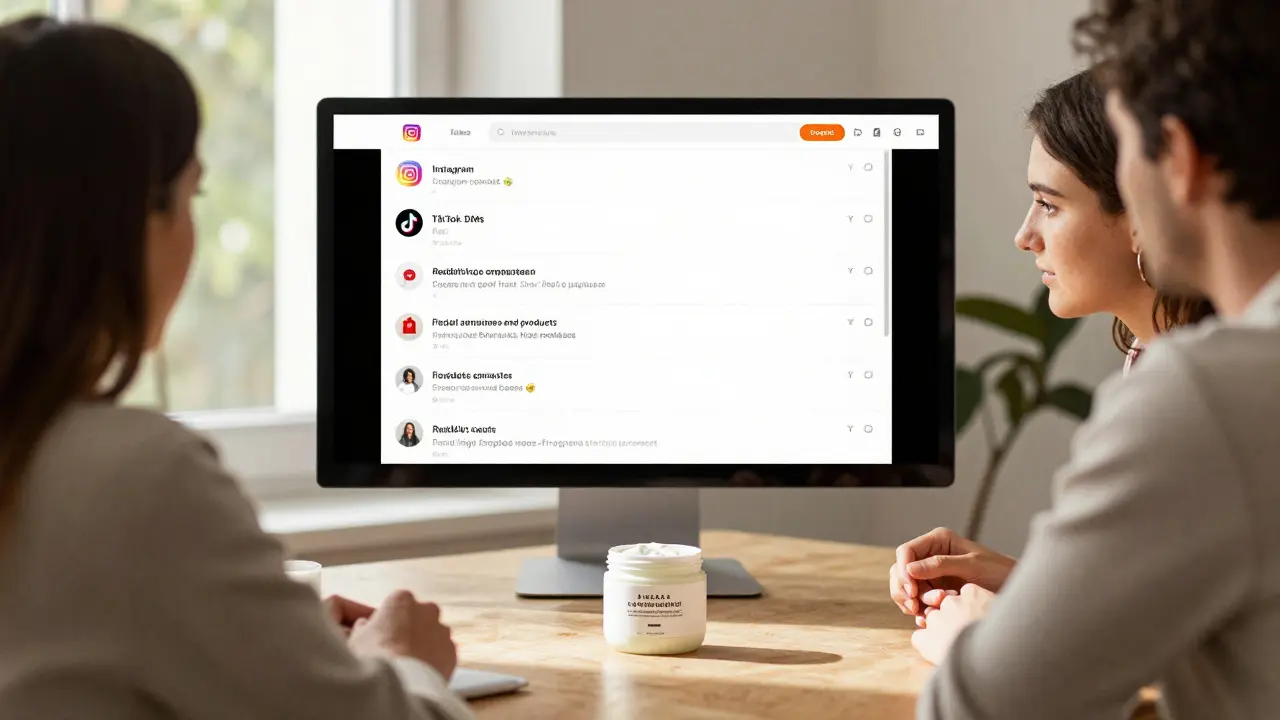
Take a small Australian skincare brand in Melbourne. They noticed a spike in direct messages asking for fragrance-free options. Instead of waiting for a quarterly survey, they used social listening tools to track the trend across Instagram, TikTok, and Reddit. Within six weeks, they launched a new line - no focus groups, no expensive R&D. Just real-time data turned into a product. Sales jumped 210% in three months.
This isn’t luck. It’s what happens when marketing stops being about promotion and starts being about observation. Companies that embed listening into their core process don’t just react - they anticipate.
Data Turns Guesswork Into Decisions
Remember when product teams guessed what customers wanted? They’d say, “We think people want a bigger screen,” or “Users will love this color.” Now, digital marketing tools give you hard numbers before you build anything.
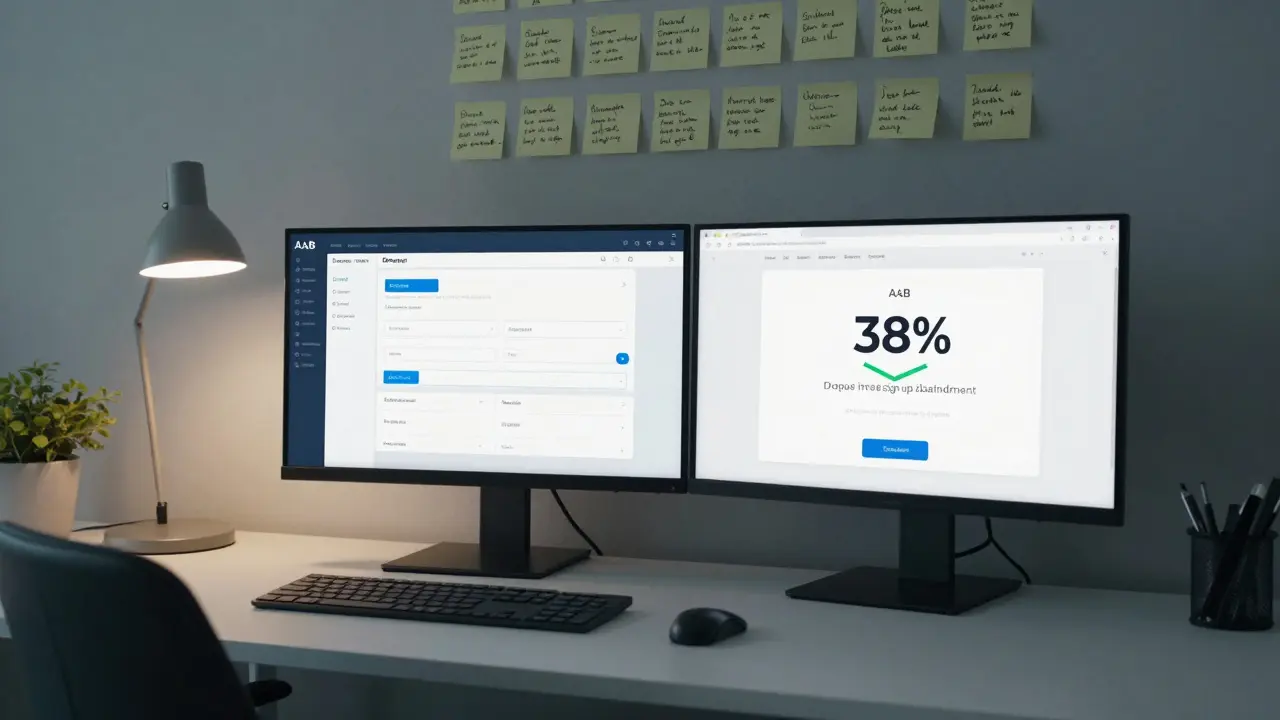
Look at how SaaS companies use A/B testing now. They don’t wait for a full product launch to test features. They test tiny changes - button color, headline wording, form length - with real users before writing a single line of code. One Melbourne-based app developer reduced sign-up drop-offs by 38% just by changing the order of fields on their registration page. That change took two days. The old way? Months of internal debate.
Customer journey mapping tools now show you exactly where people bounce, what they click before leaving, and which content keeps them engaged. This isn’t vanity metrics. It’s a map of real behavior. Companies that use this data to redesign their offerings aren’t just improving marketing - they’re redesigning their entire product strategy.
Automation Isn’t Replacing People - It’s Freeing Them
A lot of people still think automation means robots taking jobs. But in practice, it’s the opposite. When marketing automation handles repetitive tasks - sending follow-up emails, tagging leads, updating CRM records - it gives teams time to do the human stuff: solving problems, building relationships, creating real value.
A plumbing company in Adelaide used to spend 15 hours a week manually following up with leads. After setting up automated drip campaigns triggered by website behavior, their team cut that time to under two hours. What did they do with the extra time? They started offering free video consultations to high-intent leads. That simple shift turned a lead gen machine into a trust-building service. Conversion rates went up 45%, and customer satisfaction scores hit record highs.
Automation doesn’t remove creativity. It removes drudgery. The best innovators now use automation as a force multiplier - letting their smartest people focus on what machines can’t do: empathy, strategy, and original thinking.
Campaigns Become Co-Creation Projects
Customers aren’t just buyers anymore. They’re collaborators. Digital marketing lets brands turn audiences into co-creators.
A fitness brand in Sydney ran a campaign asking followers to submit their own workout routines. They didn’t just pick one winner - they built a whole new product line based on the top 10 submissions. The result? A collection of 12 digital training programs, each named after the person who created it. Sales? $2.3 million in six months. But more importantly, customers felt seen. That emotional connection turned buyers into advocates.
When you invite customers into your innovation process, you don’t just get better ideas. You get loyalty that no ad budget can buy.
Personalization Isn’t Just “Hi [First Name]”
True personalization doesn’t mean slapping someone’s name into an email. It means tailoring the entire experience based on behavior, history, and context.
One online retailer noticed that users who watched more than three product videos were 7x more likely to buy. So they redesigned their homepage to show video content first to returning visitors. For users who abandoned carts, they didn’t just send a reminder - they sent a personalized video from their customer service rep explaining how to use the product. Response rates jumped 62%.
Personalization at this level requires deep data integration - CRM, website analytics, email platforms, even chat logs. But it’s not about tech. It’s about understanding that every customer has a unique journey. The ones who get it right stop selling products. They start solving problems.

Real Innovation Happens When Marketing Leads
The biggest mistake companies make? Treating marketing as a cost center. The most innovative ones treat it as a R&D department.
When marketing teams have direct access to product development, customer support, and even engineering, innovation happens faster. A fintech startup in Brisbane let their marketing lead sit in weekly engineering sprints. Within three months, they built a feature no one else in their industry had: real-time fraud alerts triggered by behavioral anomalies - not just transaction patterns. It came from a customer complaint their social media team had flagged.
That feature became their biggest selling point. And it didn’t come from a boardroom. It came from a comment on Facebook.
Digital marketing isn’t about banners or hashtags. It’s about connecting every piece of customer feedback to every part of the business. When done right, it doesn’t just boost sales - it transforms how companies think, build, and evolve.
What’s Next? The Quiet Revolution
The next wave of innovation won’t come from flashy AI tools or viral TikTok ads. It’ll come from companies that treat every click, every comment, every abandoned cart as a clue. The winners will be the ones who stop asking, “How do we market this?” and start asking, “What should we build next?”
Digital marketing isn’t a department. It’s the nervous system of modern business. And the companies that listen - really listen - are the ones building the future.
Is digital marketing only for big companies?
No. In fact, small businesses often benefit the most. With low-cost tools like social media ads, email automation, and Google Business Profile, even a one-person shop can compete with big brands. The key isn’t budget - it’s agility. Small teams can test ideas, pivot fast, and use customer feedback to build products people actually want - something larger companies often struggle with.
Do I need to use AI for digital marketing to innovate?
Not at all. While AI can help with tasks like predicting customer behavior or optimizing ad spend, real innovation comes from listening to people - not algorithms. Many breakthroughs happen because a team noticed a pattern in customer messages or saw a spike in a specific type of feedback. AI can speed things up, but it can’t replace human insight. Start with simple tools and real conversations before adding complex tech.
How long does it take to see innovation from digital marketing efforts?
You can see results in weeks - if you’re looking for the right things. A change in website copy might boost conversions in 10 days. A new product inspired by customer feedback could launch in 6 weeks. But true business innovation - like shifting your entire service model or product line - takes 6 to 18 months. It’s not about speed. It’s about consistency. Keep listening. Keep testing. Keep adapting.
What’s the biggest mistake businesses make with digital marketing?
Treating it like a one-time campaign. The biggest mistake is thinking digital marketing is about running ads or posting on social media once a week. Innovation happens when marketing is continuous, integrated, and tied to decision-making across the company. If your marketing team is isolated from product, sales, and support, you’re missing the whole point.
Can digital marketing help a traditional business like a bakery or mechanic?
Absolutely. A bakery in Geelong started using Instagram Stories to show behind-the-scenes bread-making. Customers started asking for custom orders. They turned that into a weekly pre-order system, reducing waste and increasing sales by 40%. A mechanic in Perth began posting short videos explaining common car problems. People started booking appointments based on those videos. These aren’t tech companies - they’re local businesses using digital marketing to understand and serve their customers better. The tools are simple. The impact is huge.