Digital Marketing Guide: How to Grow Your Business in 2026
Why Your Business Can't Afford to Ignore the Digital Space
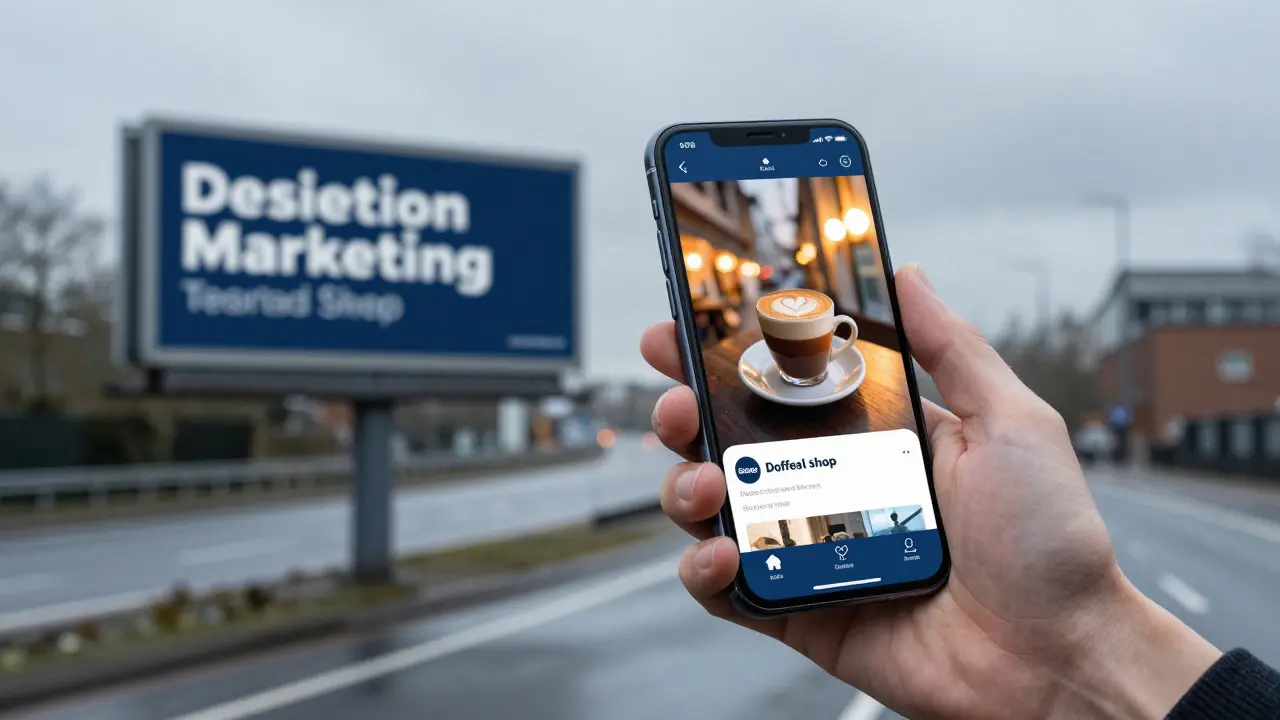
Imagine spending thousands on a billboard that only people driving south on a highway see, while your perfect customer is sitting two miles away searching for exactly what you sell on their phone. That gap is where most businesses lose money. In 2026, the question isn't whether you need a digital presence, but whether your presence is actually bringing in cash or just taking up space.
Modern digital marketing is the strategic use of online channels to connect with current and future customers. It isn't just about posting a few photos on Instagram or having a website that looks like it was made in 2010. It is a data-driven engine that allows a small coffee shop in a quiet suburb to compete with a global chain by targeting the exact person who wants a medium roast at 8:00 AM.
If you're still relying solely on word-of-mouth or traditional print, you're leaving a massive amount of growth on the table. The digital landscape allows you to track every single cent you spend, knowing exactly which ad led to a sale and which one was a waste of money. That level of precision is what makes these tools essential.
The Core Pillars of a Winning Strategy
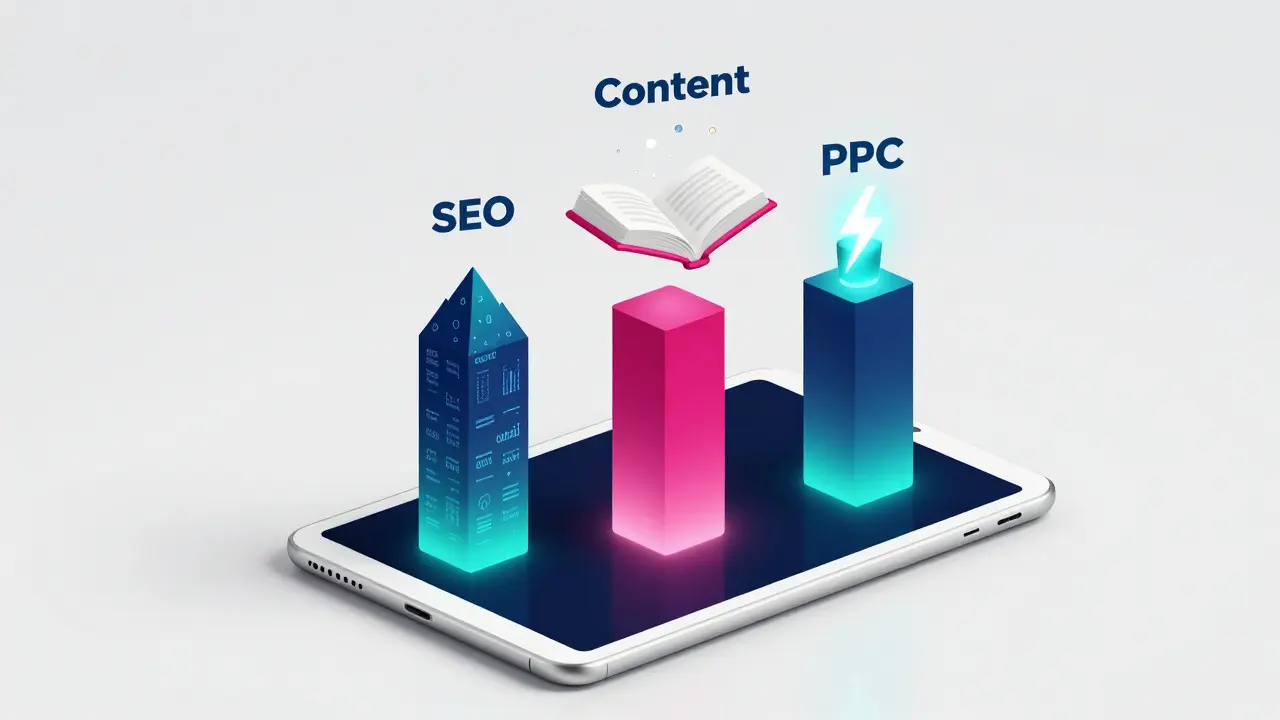
You don't need to do everything at once, but you do need to understand the levers you can pull. Most successful brands balance three main areas: visibility, engagement, and conversion.
First, there is SEO (Search Engine Optimization). SEO is the process of improving your site to increase its visibility when people search for products or services. Think of it as digital real estate. If you're on page two of Google, you're essentially invisible. In 2026, SEO is less about gaming the system with keywords and more about "User Intent." Google's algorithms now prioritize helpful, reliable content over pages that just repeat phrases.
Then we have Content Marketing, which focuses on creating and distributing valuable, relevant, and consistent content to attract a clearly defined audience. This isn't about selling; it's about teaching. If you sell skincare, don't just post a photo of the bottle. Write a guide on why certain ingredients cause breakouts. When you provide value first, you build trust, and trust is the only currency that matters online.
Finally, there is the heavy hitter: PPC (Pay-Per-Click). PPC is an internet advertising model where advertisers pay a fee each time one of their ads is clicked. While SEO takes time to brew, PPC is like a light switch. You pay Google Ads or Meta, and you appear at the top of the screen instantly. It's the fastest way to test a new product or push a seasonal sale.
| Channel | Cost Start | Speed of Results | Long-term Value | Best For |
|---|---|---|---|---|
| SEO | Low (Time intensive) | Slow (Months) | Very High | Sustainable Organic Growth |
| PPC | Medium to High | Instant | Low (Stops when budget ends) | Immediate Leads & Sales |
| Social Media | Low to Medium | Medium | High (Brand Loyalty) | Community & Awareness |
| Email Marketing | Very Low | Fast | Highest | Customer Retention |
Mastering Social Media Beyond the Like Button
Many business owners fall into the trap of chasing "vanity metrics." They care about the number of followers or likes, but those don't pay the rent. The real goal of Social Media Marketing is to move a stranger from a scroll to a sale.
In 2026, the trend has shifted heavily toward short-form video. Platforms like TikTok and Instagram Reels aren't just for dancing teens; they are discovery engines. If you can condense your business value into a 15-second clip that solves a problem, you've bypassed the need for a massive advertising budget. The key is authenticity. People can smell a corporate script a mile away. They want to see the founder, the mistakes, and the behind-the-scenes process.
But don't forget the "dark social" aspect. A huge portion of conversions happens in private DMs, WhatsApp groups, and Slack channels. When someone shares your link in a private chat, that's the highest form of endorsement. You encourage this by creating content that is "shareable"-things that make the sender look smart or helpful for sharing it.
The Power of the Email List: Your Only Owned Asset
Here is a scary thought: you don't own your Instagram followers. If the platform changes its algorithm or decides to ban your account, your connection to those customers vanishes overnight. This is why Email Marketing remains the gold standard for ROI.
An email list is an asset you own. It's a direct line to your customer's most private digital space: their inbox. The trick to modern emailing is automation. Instead of sending one giant newsletter to everyone every Tuesday, use "drip campaigns." If someone downloads a free guide from your site, they should get a sequence of three emails: one delivering the guide, one sharing a case study, and one offering a limited-time discount.
Keep it simple. Stop using flashy HTML templates that look like digital brochures. The most successful emails in 2026 look like plain-text notes from a friend. They are personal, direct, and focused on one single call to action.
Integrating AI Without Losing the Human Touch
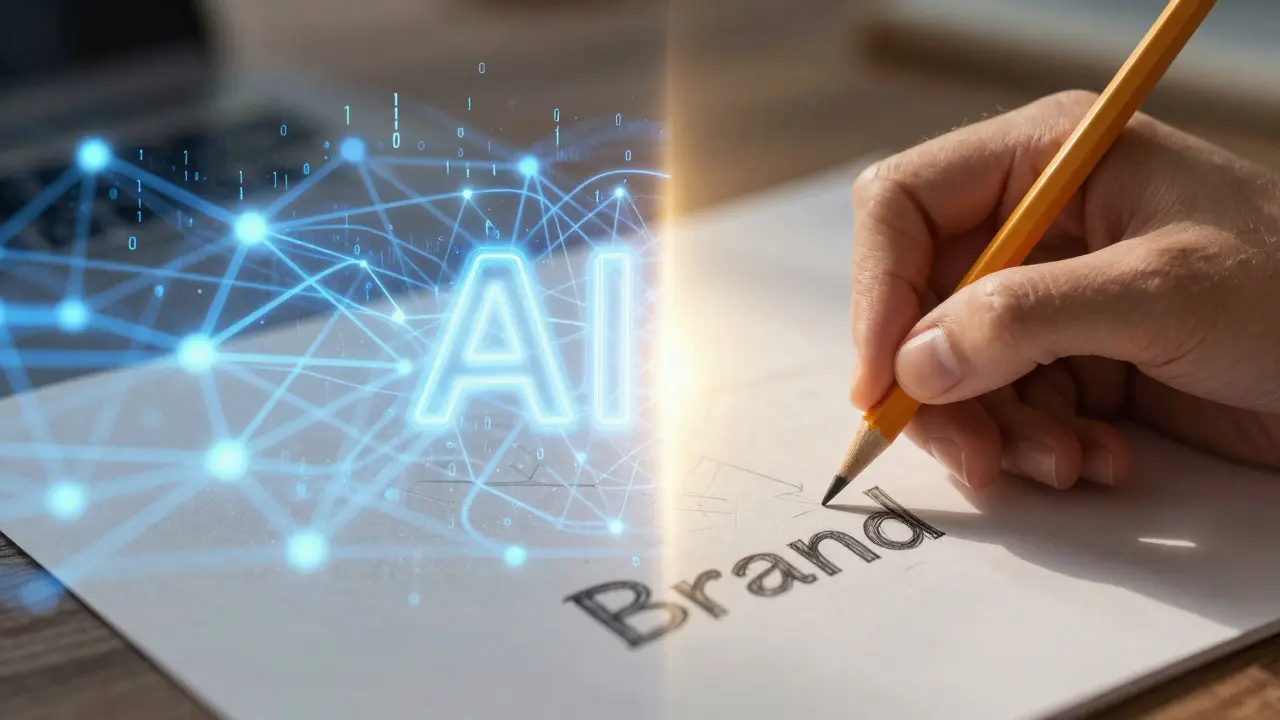
You've likely heard that Artificial Intelligence is taking over marketing. While tools like ChatGPT and Midjourney can churn out 100 blog posts in an hour, that's actually a dangerous way to run a business. The internet is currently being flooded with generic, AI-generated noise. When everything looks the same, the "human touch" becomes a premium competitive advantage.
Use AI for the boring stuff: analyzing data, brainstorming headlines, or summarizing customer feedback. But don't let it write your brand story. Use AI to find out that 40% of your customers drop off at the checkout page, then use your human brain to figure out why they're scared to click "buy." AI provides the map, but you still have to drive the car.
A practical way to use AI today is through Chatbots for first-level customer support. They can handle the "Where is my order?" questions 24/7, freeing up your team to handle the complex, emotional problems that actually require a person.
Common Pitfalls to Avoid
Most businesses fail at digital marketing because they treat it like a lottery ticket. They throw $500 at Facebook Ads, don't get a million dollars back in a week, and decide that "digital marketing doesn't work for my industry." That's not how it works.
The first mistake is ignoring the conversion rate. You can send a million people to your website, but if the website is slow, confusing, or doesn't have a clear "Buy Now" button, you're just paying for people to leave your site. Your website is your digital storefront; make sure the door is open and the signs are clear.
The second mistake is trying to be everywhere. You don't need a Pinterest, a Twitter, a TikTok, a LinkedIn, and a Threads account. Pick one or two platforms where your actual customers hang out. If you're selling B2B software, spend your time on LinkedIn. If you're selling handmade jewelry, focus on Instagram and Pinterest. Spreading yourself too thin leads to mediocre content on five platforms instead of great content on one.
How long does it take to see results from SEO?
Generally, it takes 3 to 6 months to start seeing significant movement in rankings. SEO is a long game. You're building authority with search engines, and that takes time. However, once you hit the first page for a high-volume keyword, the traffic is essentially free and consistent, unlike paid ads that stop the moment you stop paying.
Do I really need a website if I have a strong social media presence?
Yes, absolutely. Your website is the only piece of digital real estate you actually own. Social media platforms are "rented land." They can change the rules, hide your posts, or disappear entirely. A website allows you to control the user experience, collect email addresses, and provide a professional hub for your business operations.
What is the best budget for a small business starting with PPC?
There is no one-size-fits-all, but a good rule of thumb is to start with a "test budget" that you are comfortable losing for 30 days. Use this period to test different headlines and target audiences. Once you find a specific ad that has a positive Return on Ad Spend (ROAS), you can slowly scale that budget up.
How do I know which digital marketing channel to choose?
Look at where your customers are and how they buy. If your product requires a lot of education (high-ticket items), focus on Content Marketing and SEO. If your product is an impulse buy (fashion, gadgets), focus on Social Media and PPC. If you have a loyal existing customer base, prioritize Email Marketing to increase repeat sales.
Is email marketing still effective in 2026?
It is more effective than ever because it bypasses the noise of social media algorithms. While social media is great for discovery (finding new people), email is the best tool for conversion and retention. It allows you to build a personal relationship with your customer without a third-party platform interfering.
Next Steps for Your Business
If you're feeling overwhelmed, start with a simple audit. Look at your current website: is it fast? Does it work on mobile? If not, fix that first. Then, pick one channel-either SEO for long-term growth or PPC for immediate leads-and commit to it for 90 days. Consistency beats intensity every time in the digital world.
For established businesses, the next move is usually optimization. Instead of trying to get more traffic, try to make the traffic you already have more valuable. A 1% increase in your website conversion rate can often result in more profit than doubling your advertising budget.