
Digital Marketing: A Complete Beginner's Guide to Online Growth
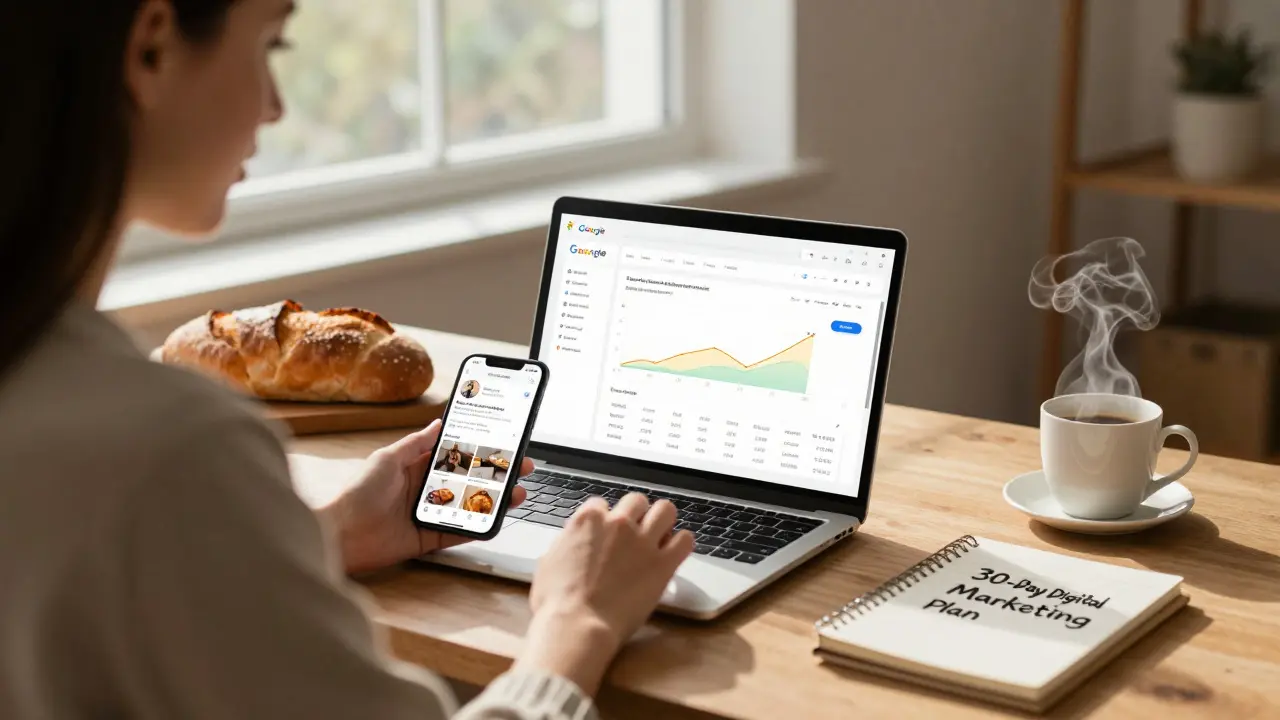
Starting out in digital marketing can feel overwhelming. You hear terms like SEO, PPC, email automation, and retargeting - and wonder where to even begin. The good news? You don’t need a degree or a huge budget to get started. Digital marketing is about reaching people where they already are: on their phones, in their browsers, and scrolling through apps. And if you’re reading this, you’re already on the right path.
What Exactly Is Digital Marketing?
Digital marketing is simply promoting products or services using online channels. It’s not magic. It’s not complicated. It’s about showing up where your customers already spend time - and giving them a reason to pay attention.
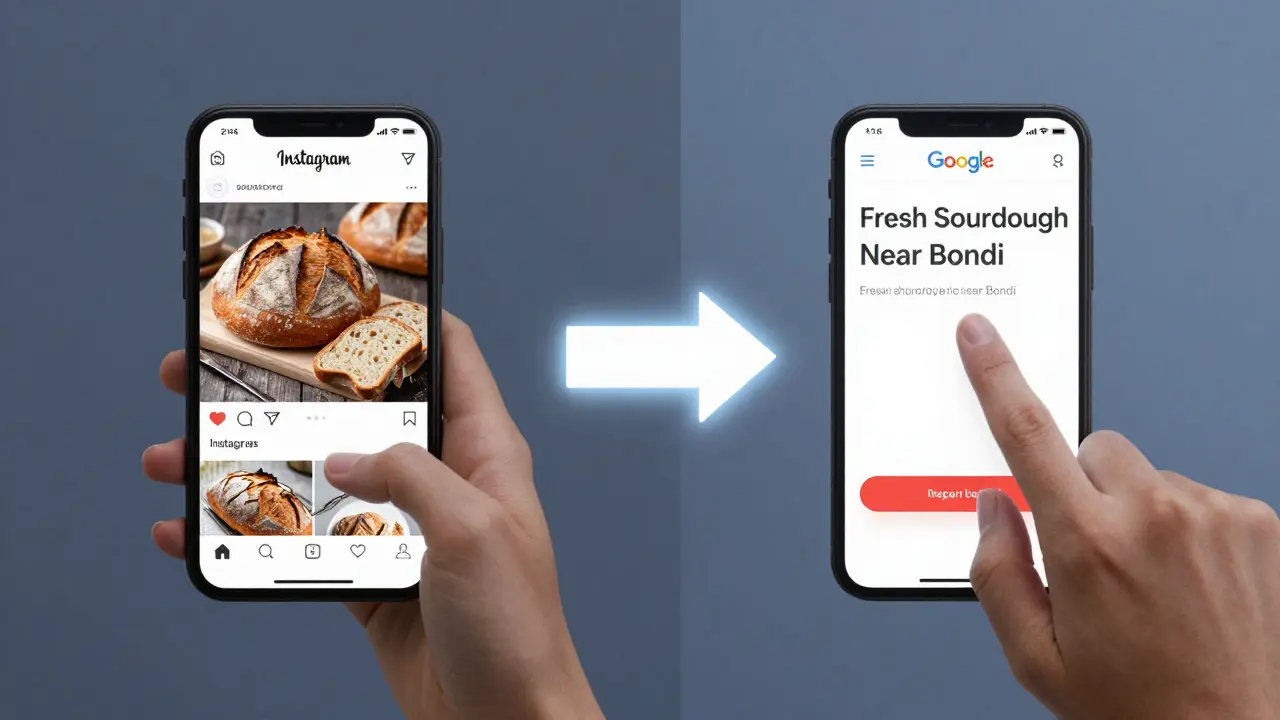
Think of it like this: if you ran a bakery in Sydney, you wouldn’t just put up a sign on the sidewalk. You’d also post photos of your sourdough on Instagram, run a Google ad for ‘fresh bread near me,’ send a weekly email with special offers, and maybe even collaborate with a local food blogger. That’s digital marketing. It’s not about being everywhere. It’s about being where it matters.
The Five Core Channels You Need to Know
You don’t need to master all of them at once. But you should understand how each one works - and which ones fit your goals.
- Search Engine Optimization (SEO): This is how you get found when people search for something. If someone types ‘best coffee beans Sydney’ into Google, SEO helps your website show up. It’s free traffic, but it takes time. You need good content, clean site structure, and backlinks from other trusted sites.
- Pay-Per-Click (PPC) Advertising: This is paid traffic. You pay Google or Meta every time someone clicks your ad. It’s fast. You can start seeing results in hours. But it costs money. If you’re testing a new product or running a flash sale, PPC is your best friend.
- Social Media Marketing: This isn’t just posting cute photos. It’s about building relationships. Instagram, Facebook, LinkedIn, and TikTok let you talk directly to your audience. You can answer questions, share behind-the-scenes content, and even run polls. People buy from those they know, like, and trust.
- Email Marketing: Still the most profitable channel. People who sign up for your email list are already interested. You can send them exclusive deals, helpful tips, or new product alerts. The average return on investment? $36 for every $1 spent. That’s not a typo.
- Content Marketing: This is about creating value - not selling. A blog post that answers a common question, a video that shows how to use your product, an infographic that breaks down complex info. When you help people, they come back. And they tell others.
Where Should You Start? (A Simple Plan)
Here’s the truth: most beginners waste time trying to do everything at once. Don’t. Pick one channel. Master it. Then add another.
- Start with SEO. It’s free, long-lasting, and builds authority. Write three blog posts answering common questions your customers have. Use free tools like Google Trends or Ubersuggest to find those questions. Example: ‘How to clean a coffee grinder at home’ if you sell coffee gear.
- Set up a simple email list. Use Mailchimp or ConvertKit. Offer a free guide (like ‘5 Morning Habits for Coffee Lovers’) in exchange for an email. Start collecting names today. Even if you only get 50 people, you’ve got a real audience.
- Post on one social platform. If your audience is visual (food, fashion, design), use Instagram. If it’s professionals, use LinkedIn. Post twice a week. No fancy equipment needed. Just your phone and honesty.
That’s it. Three things. Do them for 30 days. Then check your results. Are people visiting your site? Are they signing up? Are they replying to your posts? That’s your feedback loop. Adjust. Improve. Keep going.
Tools You Actually Need (No Fluff)
You don’t need a dozen apps. Here’s what works:
- Google Analytics 4: Free. Shows you who’s visiting your site, where they come from, and what they do. Set it up in 15 minutes.
- Google Search Console: Also free. Tells you if your site is appearing in search results. If you’re not using this, you’re flying blind.
- Canva: Free design tool. Make social media posts, banners, email headers. No design skills? No problem.
- Notion or Google Docs: Keep your content calendar, ideas, and notes in one place. Simple. Clean. No apps needed.
Ignore the hype. You don’t need HubSpot, Salesforce, or a $500/month tool to start. Start with free. Prove you can do it. Then scale.
Common Mistakes Beginners Make
- Chasing vanity metrics. Likes, followers, shares - these don’t pay the bills. Focus on conversions: email sign-ups, clicks to your site, purchases.
- Posting inconsistently. One post a month? That’s not a strategy. It’s an afterthought. Pick a schedule and stick to it. Even if it’s just one post a week.
- Ignoring mobile. Over 60% of searches happen on phones. If your website is slow or hard to read on mobile, people leave. Test it. Use Google’s Mobile-Friendly Test tool.
- Not tracking results. If you don’t measure it, you can’t improve it. Set up Google Analytics. Look at your traffic sources every week. Ask: ‘Where are my visitors coming from? What are they doing?’
Real Example: How a Sydney Bakery Grew Online in 90 Days
A small bakery in Bondi started with nothing but a website and a phone. Here’s what they did:
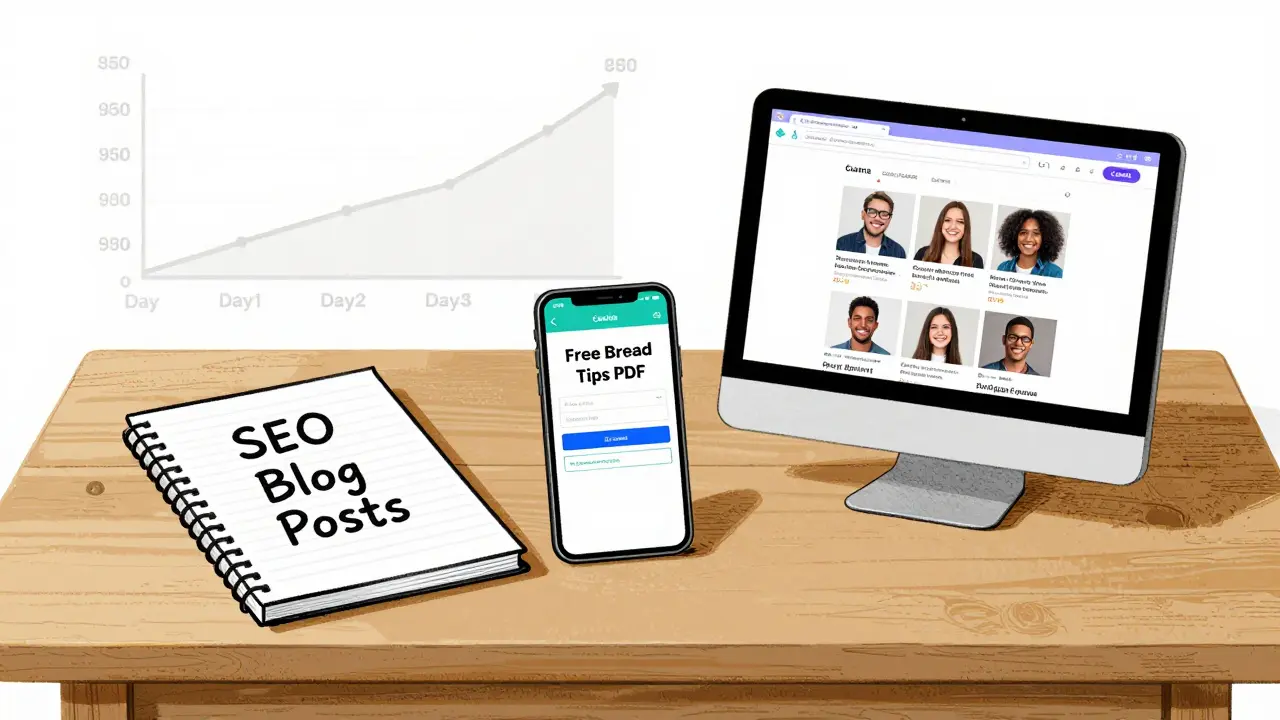
- Week 1: Posted 3 blog posts: ‘How to Store Bread So It Doesn’t Go Stale,’ ‘Best Coffee to Pair With Sourdough,’ and ‘Why We Use Australian Flour.’
- Week 2: Set up an email list. Offered a free ‘Bread Baking Tips’ PDF for sign-ups. Got 87 emails in 48 hours.
- Week 3: Started posting on Instagram. Two photos a week: one of fresh loaves, one of customers with their bags. No filters. Just real.
- Week 4: Ran a $10 Google ad targeting ‘fresh bread near Bondi.’ Got 47 clicks. 12 people bought.
By day 90, they had 1,200 email subscribers, 2,100 Instagram followers, and 30% of their sales came from online traffic. No investors. No agency. Just consistency.
What Comes Next?
Once you’ve got your three channels running, you can start layering in more:
- Try Facebook Ads to retarget people who visited your site but didn’t buy.
- Use email automation to send a welcome sequence when someone signs up.
- Collaborate with a local influencer - even if they have only 500 followers.
- Run a simple survey: ‘What’s one thing you wish we offered?’
The goal isn’t to be the biggest. It’s to be the most trusted. People don’t buy from the loudest. They buy from the most helpful.
Frequently Asked Questions
Do I need to be on every social media platform?
No. You should be where your customers are. If you sell handmade jewelry, Instagram and Pinterest make sense. If you sell B2B software, LinkedIn is your focus. Trying to be everywhere means you’ll be mediocre everywhere. Pick one platform. Do it well. Then expand.
How long does it take to see results from digital marketing?
It depends on the channel. Paid ads can bring traffic in hours. SEO takes 3 to 6 months. Email lists grow slowly but pay off long-term. Don’t quit before the 90-day mark. Most people give up too early. Digital marketing is a marathon, not a sprint.
Can I do digital marketing without a website?
You can start, but you won’t scale. A website is your home base. Social media and ads send people there. Without it, you’re renting space - not owning your audience. Use a simple site builder like WordPress, Wix, or Carrd. It costs less than $50 a year. Worth it.
Is digital marketing expensive?
It doesn’t have to be. You can start with $0. Use free tools, write your own content, and post on social media. Paid ads cost money, but you control the budget. Start with $5 a day. Test. Learn. Then spend more. The key is starting small and scaling smart.
What’s the biggest mistake new marketers make?
Waiting for perfection. You don’t need a polished logo, fancy graphics, or a professional video to start. You need to begin. Post the photo. Send the email. Write the blog. You’ll improve as you go. Done is better than perfect.
Next Steps
Here’s your 7-day action plan:
- Day 1: Set up Google Analytics and Search Console on your website.
- Day 2: Write one blog post answering a real question your customers ask.
- Day 3: Create a free lead magnet (PDF, checklist, template) and add an email signup form.
- Day 4: Post on one social platform. No caption needed - just a photo and one line.
- Day 5: Send your first email to your first 10 subscribers. Just say hi and ask what they want to see.
- Day 6: Run a $5 Google ad targeting your local area. Track clicks.
- Day 7: Review what worked. What got attention? What didn’t? Adjust next week.
You don’t need to be an expert. You just need to start. And keep going.