
Boost Your Business Prospects with Online Marketing: A Practical Guide for 2026

Imagine opening your shop on a Saturday morning. You’ve polished the windows, stocked the shelves, and turned on the lights. But there’s no one outside. Not a single soul walks through the door. That is exactly what happens when you rely solely on traditional visibility in today’s economy. The foot traffic has moved. It’s online.
If you are running a business in 2026, ignoring online marketing isn’t just a missed opportunity; it’s a slow leak in your revenue tank. This isn’t about posting memes on social media or buying ads blindly. It is about building a system that attracts the right people, builds trust before they even speak to you, and turns strangers into loyal customers. Let’s break down how to actually make this work without getting lost in jargon.
The Shift from Interruption to Attraction
For decades, marketing was an interruption. TV commercials broke up your favorite show. Cold callers rang during dinner. The goal was to shout louder than everyone else. Online marketing flips this script. It is about attraction. You create value first-helpful content, useful tools, engaging stories-and let people come to you.
This shift changes everything. When someone finds your website because they searched for a solution to their problem, they are already interested. They are warm leads, not cold prospects. Your job shifts from convincing them to care, to proving you are the best person to help them. This approach respects the customer’s time and intelligence, which builds trust faster than any billboard ever could.
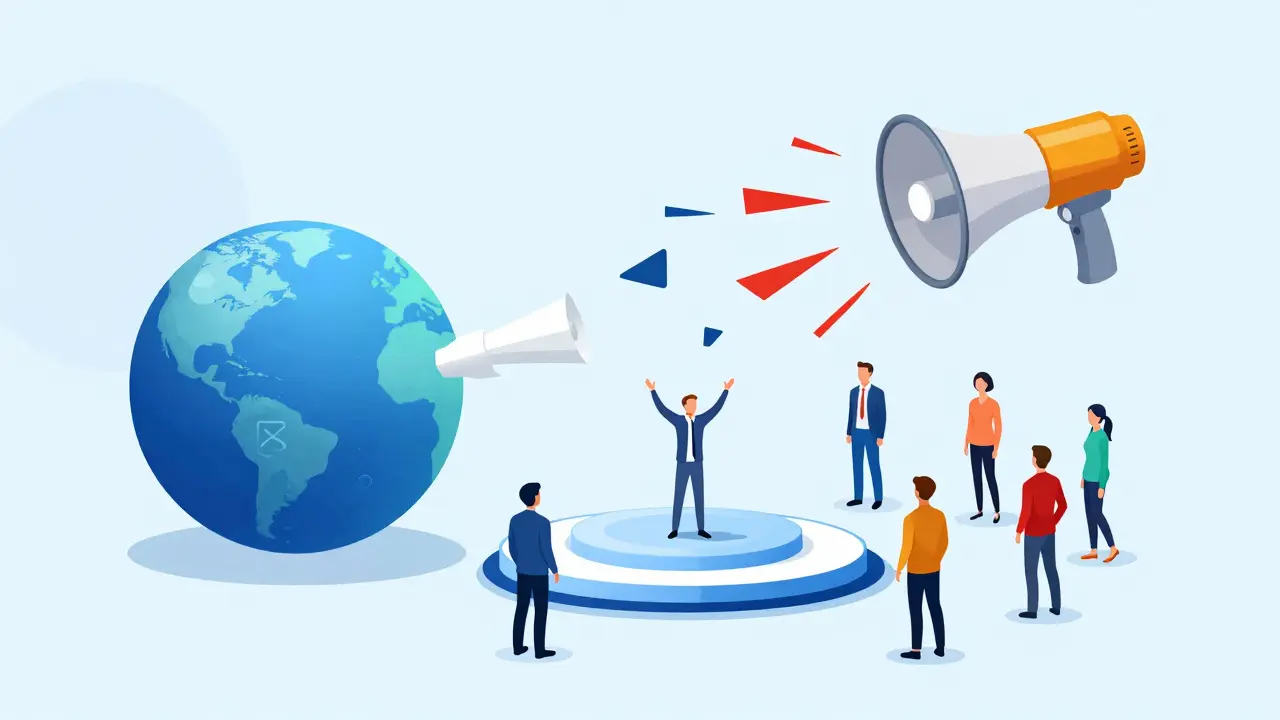
Think of it like a magnet versus a megaphone. A megaphone shouts at everyone nearby, hoping some stick. A magnet only pulls in what it’s designed for. Online marketing allows you to be specific. If you sell eco-friendly yoga mats, you don’t need to reach every person on earth. You need to reach people searching for "sustainable fitness gear." That precision saves money and increases conversion rates significantly.
Search Engine Optimization: Being Found First
You can have the best product in the world, but if no one can find you, it doesn’t matter. SEO is the foundation of visibility. In 2026, Google’s algorithms are smarter than ever. They prioritize user experience, page speed, and helpful content over keyword stuffing.
To get started, you need to think like your customer. What questions do they ask? If you run a plumbing business in Sydney, they aren’t searching for "plumbing excellence." They are typing "emergency plumber near me" or "how to fix a leaking tap." Create content that answers these specific questions directly. Use clear headings, short paragraphs, and fast-loading images.
Local SEO is crucial for brick-and-mortar businesses. Claim your Google Business Profile. Keep your hours updated. Encourage happy customers to leave reviews. These small signals tell search engines that you are a legitimate, trusted local entity. Without this, you are invisible to the people who need you most-the ones within driving distance.
Content Marketing: Building Trust Through Value
Content marketing is often misunderstood as just blogging. It is much more. It is every piece of information you provide to educate, entertain, or inspire your audience. This includes blog posts, videos, podcasts, infographics, and email newsletters. The goal is to position your brand as an authority in your niche.
When you consistently provide valuable insights, you build credibility. A potential client might read three of your articles before they consider hiring you. By then, you feel familiar. You feel like an expert. This reduces the friction in the sales process. They don’t have to wonder if you know your stuff; your content has already proven it.
Don’t worry about being perfect. Authenticity wins. Share behind-the-scenes looks at your business. Talk about failures and lessons learned. People connect with humans, not corporate logos. If you are a graphic designer, share your design process. If you are a consultant, break down complex industry trends into simple takeaways. Make it easy for them to learn from you.
Social Media: Engaging, Not Just Broadcasting
Social media platforms are crowded. Simply posting links to your products rarely works anymore. Algorithms favor engagement. You need to start conversations, not just broadcast messages. Ask questions. Run polls. Respond to comments quickly. Show the personality behind the brand.
Choose platforms where your audience actually hangs out. B2B companies thrive on LinkedIn. Visual brands like fashion or food do well on Instagram and TikTok. Local service businesses often find success with Facebook Community Groups. Don’t try to be everywhere. Pick one or two platforms and master them. Consistency matters more than variety.
User-generated content is gold. Encourage customers to share photos of your product in use. Repost their stories (with permission). This acts as social proof. When potential customers see real people enjoying your offering, their hesitation drops. It’s far more powerful than any ad copy you could write.
Email Marketing: The Owned Audience
Social media accounts can be banned. Algorithms change overnight. Search rankings fluctuate. Email lists are different. You own that list. No third party can take it away from you. Email marketing remains one of the highest ROI channels in digital marketing because it is direct and personal.
Start collecting emails from day one. Offer a lead magnet-a free checklist, a discount code, or an exclusive guide-in exchange for contact details. Once you have them, nurture the relationship. Send regular updates that provide value, not just sales pitches. A good rule of thumb is the 80/20 rule: 80% educational or entertaining content, 20% promotional.
Segmentation is key. Don’t send the same email to everyone. Group your subscribers by interest, purchase history, or behavior. If someone bought a camera, send them tips on photography, not ads for tripods they already own. Personalized emails have significantly higher open and click-through rates. Treat your subscribers like individuals, not numbers.
Paid Advertising: Accelerating Growth
Organic growth takes time. Paid advertising speeds things up. Platforms like Google Ads, Meta Ads, and LinkedIn Ads allow you to target specific demographics, interests, and behaviors. You pay only when someone clicks or views your ad. This makes it measurable and scalable.
The secret to successful paid ads is testing. Start with a small budget. Test different headlines, images, and calls to action. See what resonates. Double down on what works. Cut what doesn’t. Data drives decisions here. If an ad isn’t converting after a reasonable test period, kill it. Don’t fall in love with your creative; fall in love with the results.
Retargeting is a powerful tool. Most people won’t buy on their first visit. Retargeting ads follow users who visited your site but didn’t purchase. Remind them of what they left behind. Offer a gentle nudge, like a limited-time discount. This keeps your brand top-of-mind and brings hesitant buyers back to complete the transaction.
Analytics: Measuring What Matters
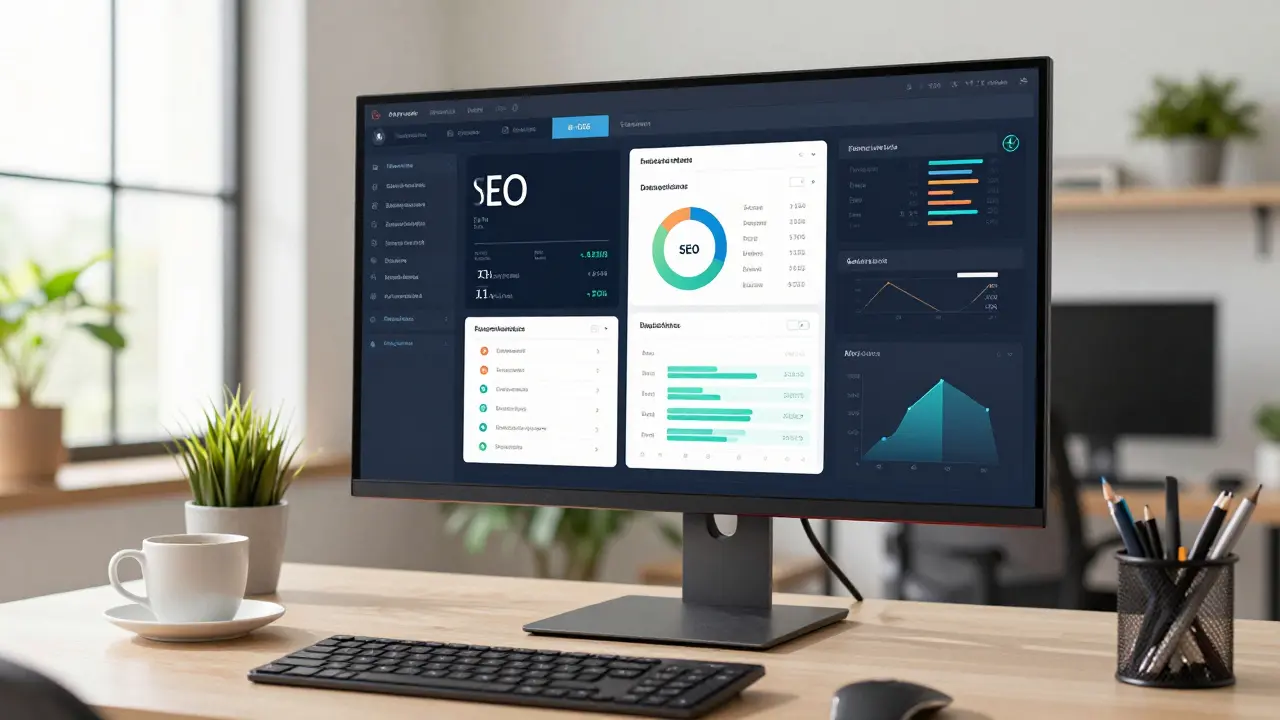
You cannot improve what you do not measure. Analytics tools like Google Analytics 4 provide deep insights into user behavior. Who is visiting your site? Where did they come from? How long did they stay? Did they convert?
Focus on key performance indicators (KPIs) that align with your business goals. If you want more sales, track conversion rate and revenue per visitor. If you want brand awareness, track impressions and reach. Avoid vanity metrics like total page views if they don’t lead to action. Every dollar spent on marketing should be tracked against its return on investment (ROI).
Use A/B testing to refine your strategy. Change one element at a time-headline, button color, image-and see how it affects performance. Small tweaks can lead to significant improvements over time. Continuous optimization is the hallmark of a mature marketing operation.
| Channel | Primary Goal | Cost Structure | Time to Results |
|---|---|---|---|
| SEO | Long-term organic visibility | Low (time-intensive) | 3-6 months |
| Content Marketing | Trust & Authority | Medium (creation costs) | 3-12 months |
| Social Media | Engagement & Brand Awareness | Low-Medium | 1-3 months |
| Email Marketing | Nurturing & Retention | Low | Immediate |
| Paid Ads | Immediate Traffic & Sales | High (pay-per-click) | Days |
Integrating AI into Your Strategy
In 2026, Artificial Intelligence (AI) is not optional; it is a standard tool. AI helps personalize experiences at scale. Chatbots handle initial customer queries 24/7. Predictive analytics forecast which leads are most likely to buy. AI writing assistants help draft content faster, though human oversight is still essential for tone and accuracy.
Use AI to automate repetitive tasks. Schedule social media posts. Segment email lists based on behavior. Analyze customer sentiment. Free up your team to focus on strategy and creativity. The goal is not to replace humans but to augment their capabilities. Technology should serve your business, not dictate it.
Avoiding Common Pitfalls
Many businesses fail at online marketing because they chase trends instead of fundamentals. They jump on the latest viral platform without a clear strategy. They buy cheap leads that never convert. They neglect mobile optimization, forgetting that most users browse on phones.
Stay focused on your core message. Know who your ideal customer is. Speak directly to their pain points. Provide solutions. Be patient. Organic growth is a marathon, not a sprint. Build systems that compound over time. Consistency beats intensity. Show up every day, provide value, and adjust based on data.
Finally, protect your reputation. Online actions leave digital footprints. Respond to negative feedback professionally. Fix mistakes publicly. Transparency builds loyalty. In an age of instant communication, trust is your most valuable asset. Guard it fiercely.
How much should I spend on online marketing?
There is no fixed percentage, but a common benchmark is 7-12% of gross revenue for established businesses. Startups may invest more aggressively, up to 20-30%, to gain market share. Focus on Return on Ad Spend (ROAS). If you spend $1 to make $3, that is sustainable. Track costs meticulously and scale what profits.
Is SEO still effective in 2026?
Yes, absolutely. While voice search and AI summaries have changed how queries look, the core principle remains: users turn to search engines for answers. High-quality, authoritative content still ranks. The difference is that Google prioritizes E-E-A-T (Experience, Expertise, Authoritativeness, Trustworthiness) more heavily than ever.
Which social media platform is best for B2B?
LinkedIn is the dominant platform for B2B marketing. It allows for targeted professional networking, thought leadership publishing, and precise demographic targeting. However, Twitter (X) and YouTube also play roles depending on your industry. Choose based on where your decision-makers spend their time.
How do I build an email list from scratch?
Offer a compelling lead magnet relevant to your audience’s pain points. Examples include e-books, webinars, checklists, or exclusive discounts. Place opt-in forms prominently on your website, especially on high-traffic blog posts. Use pop-ups wisely-exit-intent pop-ups often perform well without annoying active readers.
Can small businesses compete with large corporations online?
Yes. Small businesses have agility and authenticity. Large corporations often struggle with generic messaging. Lean into your niche. Provide personalized customer service. Tell your unique story. Local SEO and community engagement give you an edge that big brands cannot easily replicate.